
FAQs2024-06-21T06:05:11+00:00

2026 Top Fiber Opening And Pillow Filling Machine Guide

Choosing a Fiber Opening And Pillow Filling Machine is not just a matter of speed. Fiber type, staple length, moisture, and recycled content can all affect how smoothly material opens and how evenly pillows fill. A clump in the hopper or a light spot in the finished pillow is a small detail with real production consequences.

Textile Exchange’s Materials Market Report 2024 estimates that global fiber production reached 124 million tonnes in 2023 and could rise to 160 million tonnes by 2030. The report tracks fiber production, not pillow-filling equipment sales, so it cannot predict machine demand directly. It does, however, show why adaptable fiber handling deserves attention. Nonwovens researcher Dr. Behnam Pourdeyhimi’s work supports a practical principle: “Fiber structure should match the product’s intended performance” (paraphrased). For pillow producers, that means considering how opening intensity affects loft, resilience, and fill consistency.

This guide compares machine types, feeding methods, output considerations, and maintenance needs. It also asks questions buyers sometimes overlook: Can the line handle changing fiber blends? How easy is it to clean around the opening rollers? Does the stated capacity reflect real operating conditions? Small details matter. Specifications alone rarely tell the whole story. Use them alongside material trials, operator feedback, and clear production targets. Industry reports provide context, but they do not replace a test with your own fiber. The right choice should fit the product, the workflow, and the people running the line.
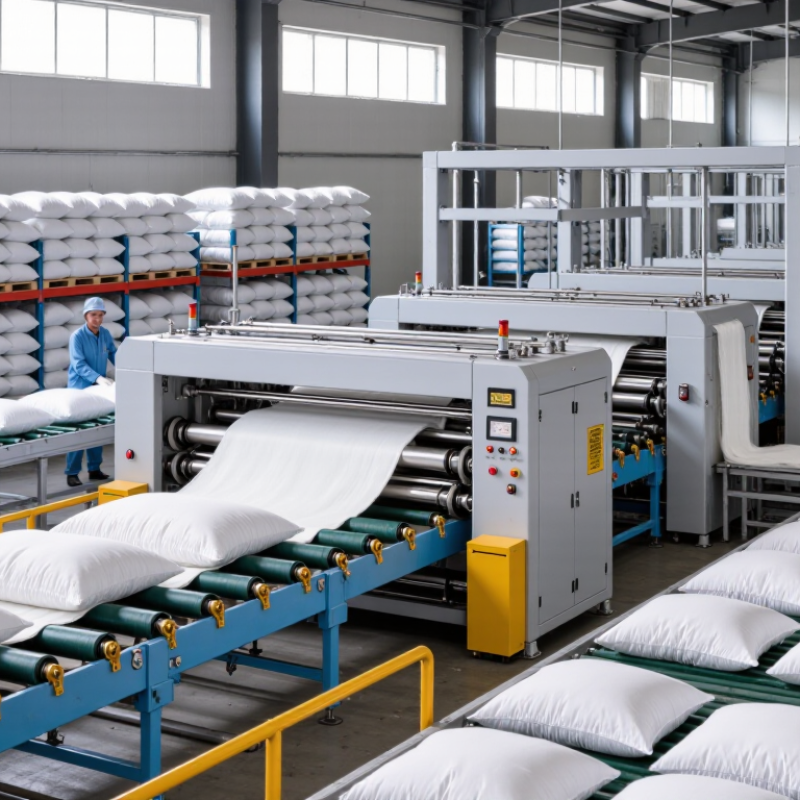
2026 Top Fiber Opening And Pillow Filling Machine Guide

What Is a Fiber Opening and Pillow Filling Machine?

A fiber opening and pillow filling machine prepares loose or compressed fiber for use inside pillow shells. Its opening section loosens packed fibers, separates clumps, and helps create a more even, airy texture. A blower or conveyor moves the prepared material toward a filling nozzle. The operator places a pillow cover over the nozzle and fills it to a target weight or feel. Some systems use scales or timed controls; others rely more on operator adjustments. The setup varies with fiber type, pillow size, and production volume.

Tips: Check that fiber feeds smoothly before a full run. Weigh several pillows, not just one, because small changes in fiber flow can affect firmness. Remove lint from accessible areas as directed in the equipment manual.

Opening quality supports consistent filling, but it cannot compensate for unsuitable fiber or poorly sewn covers. If the fill looks lumpy, inspect the feed path and material condition before changing settings. Keep guards in place and follow the machine manual’s cleaning and safety instructions. A trial using the actual fiber and pillow shell can reveal more than the rated output alone. That detail is easy to miss.

How Does the Machine Open Fiber and Fill Pillows?

A fiber-opening and pillow-filling machine starts with loose or compressed fiber placed in a feed hopper. Feed rollers draw the material toward a rotating opener. Fine teeth separate compacted clumps into smaller, softer tufts. The goal is even distribution, not turning every fiber into identical pieces. That distinction matters. Overworking can shorten or damage some fibers, while too little opening leaves lumps that feel uneven inside a pillow.

Airflow carries the opened fiber through a duct toward the filling head. A fan moves the material, while screens or filters help collect dust and stray fibers. At the nozzle, an operator directs the fiber into a pillow shell. Some machines use a scale or timed feed to control filling, but the final feel still depends on fiber type, shell size, and fill settings. A smooth surface is a useful clue. So is a quick hand check. In practice, the first pillow may not feel quite right. Adjust the feed rate or filling time, then check another sample before continuing production. Dust buildup and tangled fiber can also disrupt flow, so regular cleaning and inspection help keep output consistent.

What Are the Main Components and Machine Types?

An opening and pillow-filling line typically includes an infeed conveyor, opening rollers, an air-moving system, and a filling station. Fiber enters in compressed clumps, so the rollers loosen it before it travels through a duct. Roller speed and feed rate affect how evenly the material opens. Too much agitation can shorten delicate fibers or create excess dust.

After opening, a fan carries fiber into a storage hopper, where level sensors help maintain a steady supply. The filling head may use a nozzle, foot pedal, and weighing system to control each pillow’s fill. Operators should check for blockages and uneven airflow, especially when changing fiber blends. Small details matter. A clean filter can improve airflow, but it will not fix poor feed settings.

Machine types range from manual or semi-automatic units to integrated automatic opening and filling systems. Manual models suit smaller batches and allow hands-on adjustments; automatic lines can support more consistent output when properly calibrated. Some workshops use separate opening and filling machines for easier maintenance. The best configuration depends on fiber type, target pillow weight, and available space. In practice, sample runs are useful: the machine settings that work for one blend may disappoint with another. The neat diagram is never the whole story.

Which Features Matter When Comparing Top Machines in 2026?

When comparing top fiber opening and pillow filling machines in 2026, focus on how well each handles your actual materials. Fiber length, blend, moisture, and recycled content can affect opening quality and filling consistency. Ask for a trial using your own fiber, not only a sample chosen by the supplier. Watch for clumps, uneven pillow weight, and excessive fiber breakage. These details matter more than a headline throughput figure.

Check how operators adjust feed speed, filling volume, and airflow. Clear controls can reduce guesswork during product changes. Inspect access panels, cleaning points, and the time needed to clear a blockage. Dust collection and guarding also deserve attention. A fast machine is not automatically the best fit. No setup is perfect; even careful trials may not reflect every shift or fiber batch.

Tips: Record output weight, cycle time, and fiber waste during the same trial. Ask how routine wear parts are replaced, and confirm the machine fits your floor space and existing power supply.

Consider whether the opener and filling unit work smoothly as a line. Uneven feeding upstream can cause inconsistent pillows downstream. Request operating data at more than one speed, and check whether settings remain stable across repeated cycles. A compact layout may save space, but make sure staff can still reach service points. Leave room for real-world variation.

How Can You Choose and Maintain the Right Machine?

Choosing an opening and pillow filling machine starts with the fiber, not the catalogue. Textile Exchange’s Materials Market Report 2024 estimates global fiber production reached 124 million tonnes in 2023. It projects production could rise to 160 million tonnes by 2030. That scale makes capacity planning important, but it does not tell you which machine fits your shop. Compare fiber type, staple length, moisture, and target output with the supplier’s tested operating range. Ask for a trial using your own material. Watch for uneven opening, fiber damage, dust, and slow feed recovery. Small details matter. A machine that meets a headline capacity may still produce inconsistent pillow weights.

For filling, check dosing accuracy, hopper access, nozzle handling, and changeover time. Ask operators to weigh several filled pillows in a row; record the spread, not just the average. Maintenance should be practical: inspect belts, bearings, screens, and seals on a set schedule. Remove fiber buildup before it restricts airflow, and keep a log of cleaning, repairs, and downtime. Follow the equipment manual and isolate power before servicing. I would not rely on a maintenance checklist alone. Fiber blends vary, and a setting that worked last month may drift with a new batch. Recheck output after adjustments.

Go to Top