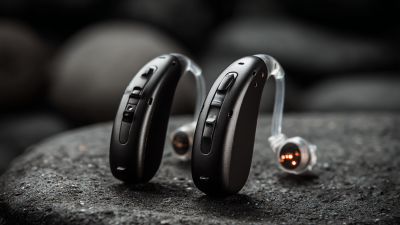
What Are the Best Battery Operated Hearing Aids from China?
Choosing the best battery operated hearing aids from China takes more than comparing prices or attractive product photos. Chinese manufacturers offer many styles, from compact in-ear models to behind-the-ear designs with replaceable batteries. Yet features and build quality can vary widely. A clear comparison should look at sound processing, battery size, expected runtime, comfort, and available support. Small details matter.
Battery life depends on listening time, volume, wireless features, and the environment. Ask how easy it is to open the battery door and find replacements locally. Check whether the manufacturer provides a user manual, warranty terms, and a clear route for repairs. A polished listing alone is not enough. Verify product specifications with the seller, and be cautious when performance claims lack independent evidence.
Fit and hearing needs matter just as much as technical features. A device that feels comfortable in a quiet room may behave differently in a busy café, where voices compete with clattering dishes. If possible, review trial or return options before buying. Consult a qualified hearing-care professional for advice on suitable amplification, especially if hearing changes suddenly or affects daily safety. This guide compares practical factors rather than declaring one model universally best. I may miss details that change between product versions, so confirm current specifications and support directly with the manufacturer.
How Battery-Operated Hearing Aids Work
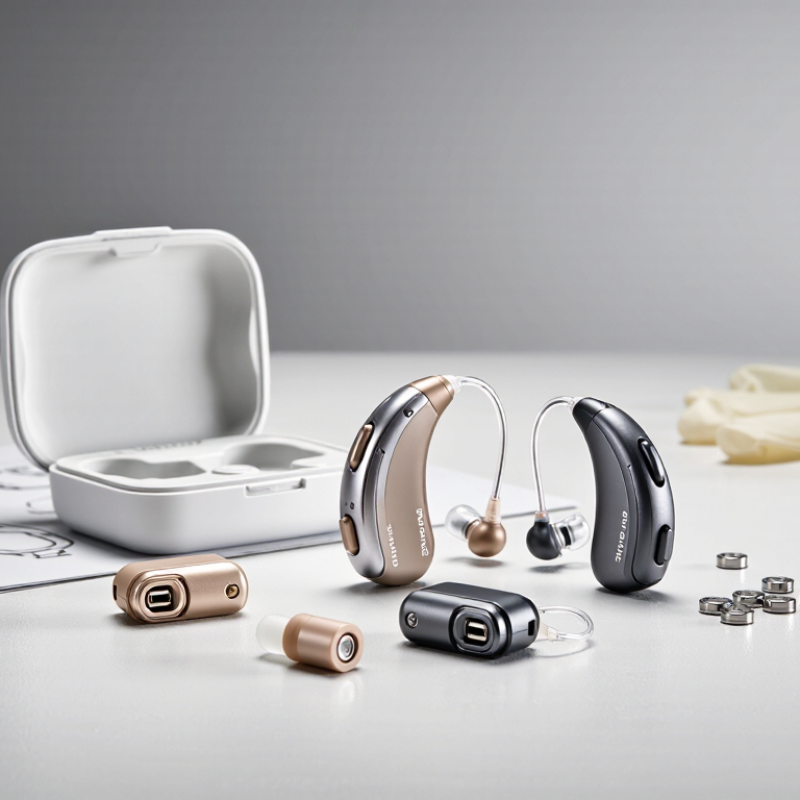
A battery-operated hearing aid turns sound into a stronger, tailored signal. Its microphone captures nearby speech, traffic, or a kettle’s click. A processor separates useful sound from background noise and adjusts volume for different pitches. The receiver then sends the processed signal into the ear. A small battery powers this chain. In disposable models, zinc-air cells begin working after their protective tab is removed; battery life varies with size, settings, and daily use.
The fitting matters. An audiologist uses hearing tests to set amplification, because simply making every sound louder can be uncomfortable. Tiny controls may also adjust programs for a quiet room or a busy street. The system is clever, but not perfect. Wind and overlapping voices can still blur speech.
That scale makes access to suitable devices important, but a hearing aid is not a one-size-fits-all fix. Keep the battery door and contacts dry, and ask a hearing-care professional to check fit and settings when sounds seem harsh or distant.
Types of Battery-Powered Hearing Aids Made in China
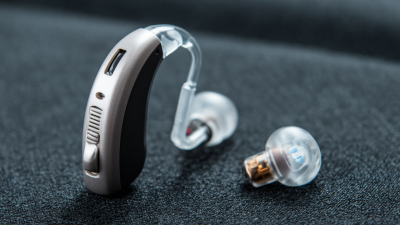
Battery-powered hearing aids made in China come in several familiar styles, with differences in fit, visibility, and battery handling. Behind-the-ear (BTE) models sit behind the ear and send sound through a tube or slim wire. Their larger cases can leave room for bigger batteries and easier controls. They may suit users who find tiny battery doors difficult to manage.
Receiver-in-canal (RIC) aids place a small receiver in the ear canal, connected to the case by a fine wire. In-the-ear (ITE) and in-the-canal (ITC) models fit within the outer ear or canal. Completely-in-canal (CIC) designs sit deeper and are less visible, but their small batteries can be fiddly to replace. Small, but not effortless. These styles may use disposable zinc-air cells; the exact size depends on the device, so check its specifications rather than guessing.
Some Chinese-made models also differ in controls, sound processing, and moisture protection. A compact shell may look appealing, yet prove awkward with cold fingers. That trade-off deserves thought. Before choosing, check battery availability, replacement instructions, and whether the device can be adjusted to your hearing needs. Product descriptions alone cannot confirm a suitable fit; an assessment by a hearing-care professional can help clarify what the listed features mean in daily use.
Features That Distinguish Leading Chinese Models
Battery-operated hearing aids from China can differ widely in comfort, controls, and sound processing. Leading models stand out through useful, well-integrated features rather than a long specification list. Look for adjustable listening programs, accessible volume controls, and feedback management that reduces whistling. A secure battery door and clearly marked controls make daily changes easier, especially for users with limited dexterity. Small details matter.
Tips: Check which battery size the device uses and how long a typical set lasts. Ask whether replacement parts and fitting support are available. Try the aids in a quiet room, then test them around everyday sounds, such as conversation or traffic.
Specifications do not reveal how an aid will feel after several hours. Fit, ear shape, and hearing needs all affect performance. Moisture resistance may help during ordinary daily use, but it does not make a device waterproof. Be cautious of claims promising effortless speech in every noisy setting. A useful model should offer clear instructions and settings you can adjust without guesswork. Some controls may still feel fiddly; that is worth noticing during a trial. When possible, seek an assessment from a qualified hearing-care professional before choosing a device.
How to Compare and Choose a Suitable Device
When comparing battery-operated hearing aids made in China, start with your hearing needs, not the lowest price. Ask an audiologist to explain the level of amplification and fitting that may suit your hearing test. Small details matter. Check whether the device offers adjustable volume, feedback control, and useful speech settings. A crowded café is a better test of speech clarity than a quiet showroom, when a trial is available.
Look closely at the battery type, expected runtime, and availability of replacements where you live. Runtime figures can vary with settings and daily use. That takes patience. Ask how to change the battery, whether the compartment is easy to open, and what happens if a battery door loosens. Compare written warranty terms, return conditions, repair options, and access to replacement parts. A low price means little if routine support is difficult to reach.
For products from any country, request clear specifications and relevant testing or conformity documents for your market. Do not treat polished listings as proof of performance. If possible, test the fit and sound in ordinary settings, then note comfort after several hours. A neat specification sheet can still miss what matters: pressure behind the ear, harsh sounds, or fiddly controls. I would not choose on one visit alone; that is not always convenient, but it can prevent a poor match.
What Are the Best Battery-Operated Hearing Aids from China?
Compare the standard zinc-air battery sizes commonly used in hearing aids. The correct size depends on the device; battery dimensions alone do not indicate compatibility or battery life.
Typical dimensions shown in millimeters: size 10 (5.8 × 3.6), 312 (7.9 × 3.6), 13 (7.9 × 5.4), and 675 (11.6 × 5.4). These zinc-air batteries have a nominal voltage of about 1.4 V. Check the hearing aid’s manual or battery compartment for the required size. Actual runtime varies with device settings, usage, and wireless streaming.
Battery Life, Maintenance, and After-Sales Support
For battery-operated hearing aids from China, battery life depends on the device, listening hours, and features such as wireless streaming. Ask for an estimate based on your daily use, not just an ideal laboratory test. Keep a small supply of the correct batteries at home. A low-battery warning during a long outing is inconvenient.
Small habits matter. Open the battery door at night, if the user guide recommends it, and keep the device dry. Wipe the casing with a soft, dry cloth; avoid water and household cleaners. Check the battery compartment for dust or corrosion, and replace batteries with clean, dry hands. Follow the maker’s instructions for storage and disposal. I still find battery size easy to mix up, so verify it before ordering.
After-sales support can be as important as the initial price. Before purchase, ask how to reach a technician, whether remote fitting help is available, and how replacement parts are supplied. Confirm warranty coverage, return conditions, and expected response times in writing. Save the order details and fitting notes. Keep records. If a hearing aid produces sudden changes in sound or discomfort, stop adjusting it blindly and contact a qualified hearing-care professional. Shipping and communication can take longer across borders, so plan for that possibility.
Related Posts
-
Navigating Import and Export Certifications for the Best Battery Operated Hearing Aids
-
Top 10 Tips for Choosing Rechargeable Hearing Aids That Suit Your Needs
-
How to Choose the Best Rechargeable Hearing Aids for Your Unique Hearing Needs
-
Exploring the Rise of CIC Rechargeable Hearing Aids Market Trends at 2025 China 138th Canton Fair
-
Best Battery Operated Hearing Aids for Clear Sound Quality?
-
How to Choose the Best Double AA Batteries?