Best Bluetooth Rechargeable Hearing Aids Tips for Buyers?
Finding the right hearing aids can be challenging, especially with the growing popularity of hearing aids Bluetooth rechargeable options. According to the Hearing Loss Association of America, about 48 million Americans experience some degree of hearing loss. This alarming statistic stresses the importance of accessible hearing solutions. The Bluetooth rechargeable hearing aids market is projected to grow significantly, reaching $3.4 billion by 2030, according to a recent industry report.
Every buyer needs to consider specific factors when choosing hearing aids Bluetooth rechargeable devices. Quality and functionality are paramount. Not all rechargeable hearing aids offer the same battery life or sound quality. Some models can provide up to 24 hours of use on a single charge, which is vital for daily wear. However, reviews often highlight inconsistencies in performance, such as connectivity issues with smartphones or inadequate customer support.
As the technology evolves, potential buyers must stay informed about trends and innovations. New features are emerging, but not all users find them beneficial. The real-world experience can vary greatly, making it essential to research and test different models before making a decision. Understanding both the benefits and limitations of each device helps ensure a more satisfying hearing experience.
Understanding Bluetooth Rechargeable Hearing Aids: Features to Consider
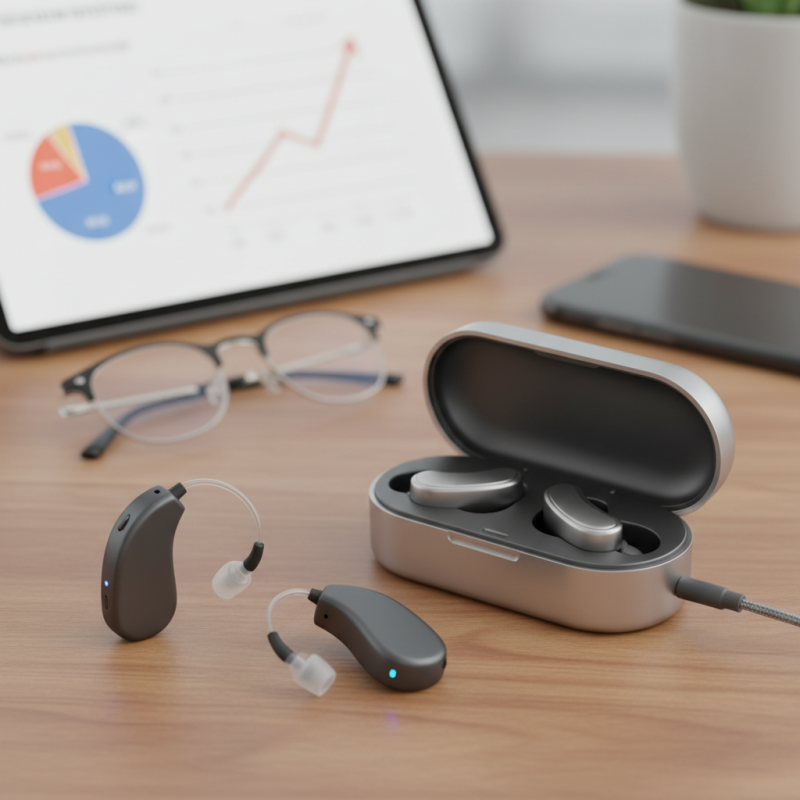
Understanding Bluetooth rechargeable hearing aids involves several key features that every buyer should consider.
Battery life is paramount. Most rechargeable models offer anywhere from 12 to 24 hours on a single charge. This means you can use them throughout the day without worrying about running out of power. However, keep in mind that heavy usage, such as streaming audio, can drain the battery faster.
Another important feature is Bluetooth connectivity. This allows the hearing aids to connect to smartphones or other devices. Users can enjoy direct audio streaming from their devices. But not all Bluetooth hearing aids connect seamlessly with every smartphone or tablet. It’s essential to check compatibility before making a purchase.
Additionally, sound quality is a crucial factor. Many users report feeling overwhelmed by the richness of sound in some units. While this can enhance the experience, it may take time to adjust. Comfort should also be prioritized. Hearing aids come in various shapes and sizes, so trying them on is vital. Finding the right fit is essential for prolonged comfort. Remember, everyone's experience is different; what works for one may not work for another.
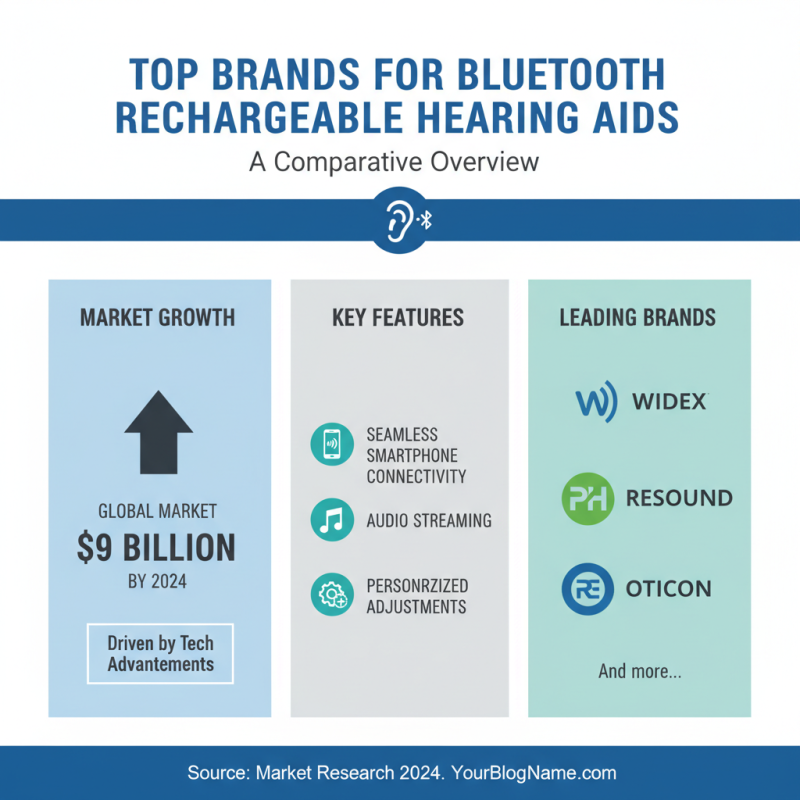
Top Brands for Bluetooth Rechargeable Hearing Aids: A Comparative Overview
When considering Bluetooth rechargeable hearing aids, it's crucial to assess the leading brands and their features. Market research indicates that the global hearing aids market is projected to reach $9 billion by 2024. This growth is driven by advancements in technology, particularly in Bluetooth functionalities. Many users prefer models that offer seamless connectivity with smartphones and other devices. Bluetooth connectivity allows for personal adjustments, making it easier for users to enjoy audio streaming.
A comparative overview reveals that while several brands offer quality products, key differences can impact user experience. Some models provide longer battery life, lasting up to 30 hours on a single charge. Others might include features like noise cancellation and customizable sound profiles. It's essential to consider personal listening environments when evaluating options. A comfortable fit is another factor—many users overlook this aspect, leading to dissatisfaction.
In addition, data from audiology studies shows that nearly 60% of users find improved sound quality with Bluetooth-enabled models. However, some users report initial challenges in mastering the technology, indicating a learning curve. Potential buyers should be prepared for this adjustment period. Exploring user reviews can offer insights into real-world performance. It's advisable to take time to weigh these factors before making a purchase.
How to Choose the Right Bluetooth Rechargeable Hearing Aid for Your Needs
Choosing the right Bluetooth rechargeable hearing aid requires careful consideration of both your lifestyle and hearing needs. Research shows that nearly 48 million Americans experience some degree of hearing loss. Therefore, understanding your unique requirements is crucial in making an informed decision.
When selecting a hearing aid, you should assess the level of hearing loss. A professional evaluation can help determine the extent of your condition. For mild to moderate loss, discreet designs may be suitable. However, those with severe loss may require more robust options. According to a report by the National Institute on Deafness and Other Communication Disorders, over 60% of individuals would benefit from the use of hearing aids, yet only a fraction pursue this option due to various barriers, such as cost and accessibility.
Battery life is another critical factor. Bluetooth rechargeable hearing aids offer convenience, often lasting up to 24 hours on a single charge. This feature alleviates the hassle of changing batteries frequently. Users should also consider compatibility with smartphones and other devices. Many modern aids connect seamlessly with technology, enhancing the overall user experience. Still, some users may encounter connectivity issues, leading to frustration. Addressing these concerns upfront allows for a smoother transition into hearing aid use.
Battery Life and Maintenance Tips for Bluetooth Rechargeable Hearing Aids
Battery life is a crucial factor when considering Bluetooth rechargeable hearing aids. Many users find that typical models last between 10 to 20 hours on a single charge. According to a recent industry report, advancements in battery technology have improved the longevity of these devices significantly. Proper maintenance can further extend their usable life.
One essential tip is to keep hearing aids clean and dry. Moisture can damage internal components, impacting battery performance. Additionally, removing hearing aids before sleeping or showering can prevent accidental damage. Regularly inspecting battery connections for corrosion is also vital.
Another consideration is to recharge hearing aids nightly. Many models allow for convenient overnight charging. Some experts suggest using a dehumidifier for hearing aids to keep moisture at bay. Regularly updating firmware can enhance battery efficiency. By following these practices, users can maximize the battery life and reliability of their hearing aids.
Common Issues and Troubleshooting for Bluetooth Hearing Aids
Bluetooth hearing aids offer great convenience, but they can present unique challenges. Users may face connectivity issues, such as the device not pairing with a smartphone. It can be frustrating when your hearing aid isn’t working as intended. Always check the battery level first; low power can disrupt performance.
If audio quality drops, try resetting the devices. Sometimes, a simple restart can resolve glitches. Make sure the devices are within range of your phone. Physical barriers can weaken the Bluetooth signal, causing interruptions. If issues persist, consult the user manual for troubleshooting tips specific to your model.
When purchasing Bluetooth hearing aids, consider your lifestyle. Choose features that suit your environment. For instance, if you attend social gatherings often, look for models that enhance speech clarity. Additionally, be aware that some models may have a learning curve. Take your time to familiarize yourself with the functions. Patience is key in this learning process.
Best Bluetooth Rechargeable Hearing Aids Tips for Buyers? - Common Issues and Troubleshooting for Bluetooth Hearing Aids
| Feature |
Recommendation |
Common Issues |
Troubleshooting Tips |
| Battery Life |
Look for at least 24 hours |
Short battery life |
Ensure full charge and check for updates |
| Bluetooth Connectivity |
Check compatibility with devices |
Frequent disconnections |
Restart both devices and re-pair |
| Sound Quality |
Choose models with customizable settings |
Distorted audio |
Adjust settings and check for obstructions |
| Comfort Fit |
Try before buying; consider ear shapes |
Discomfort during use |
Reassess fit and consider different styles |
| App Integration |
Opt for models with companion apps |
App crashing or not functioning |
Update the app and check app permissions |