
FAQs2024-06-21T06:05:11+00:00

10 Best Optical Sorter Applications for Buyers?

Choosing an optical sorter is not just a matter of comparing machine speeds. The right system depends on the material, the defect being removed, and the cost of an occasional miss. Optical Sorter Applications range from separating discolored beans to identifying unwanted pieces in recycled plastic or mineral streams. Each task presents different challenges. A dark fragment may stand out clearly against pale grain, while two plastics with similar colors can require additional sensing methods.

For buyers, the most useful comparison starts with a real sample. Ask suppliers to test your material, explain detection limits, and show how settings affect accuracy and usable yield. Check practical details too: feed consistency, dust control, cleaning access, operator training, and integration with existing equipment. Small details matter. A sorter that performs well in a demonstration may behave differently when moisture, lighting, or product variety changes during a full shift. That is easy to overlook.

This guide introduces ten common application areas and the buyer questions each one raises. It covers food processing, recycling, mining, and other industries where reliable separation can reduce waste or improve product consistency. The best choice is not always the fastest or most advanced model. In some facilities, a simpler setup may be easier to maintain and more dependable. Buyers should treat performance claims as a starting point, then verify them against their own throughput targets, quality standards, and operating conditions. No brochure can replace a careful trial.
10 Best Optical Sorter Applications for Buyers?

What Optical Sorters Do and How They Identify Materials

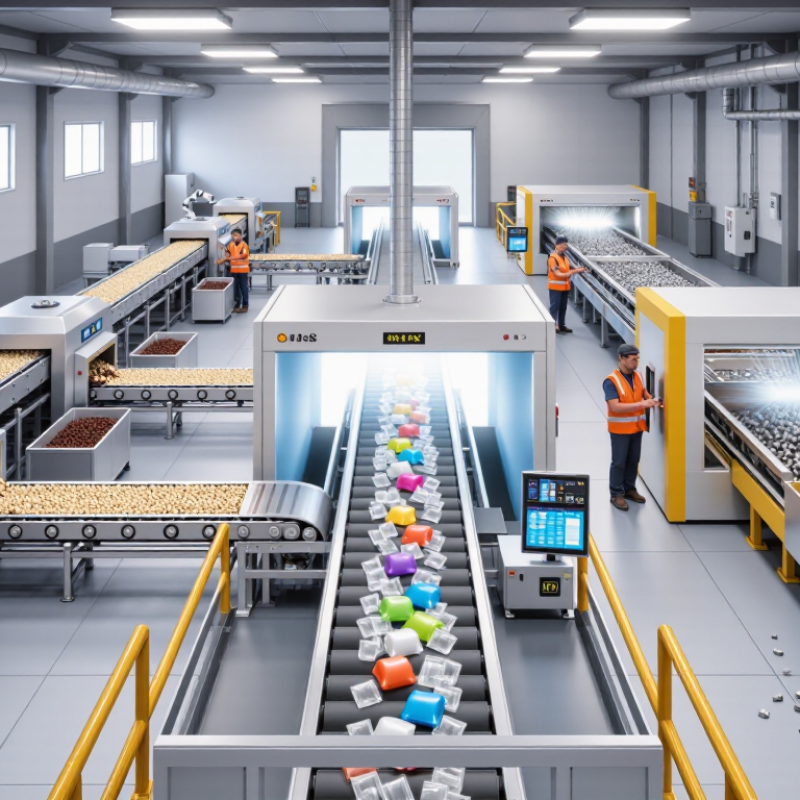
An optical sorter examines material as it moves along a belt or chute. Cameras capture visible color and shape; near-infrared sensors read reflected wavelengths linked to material composition. Some systems also use lasers or X-ray sensors to detect surface traits or density differences. Software compares each reading with set criteria, then air jets or mechanical gates separate selected pieces. A green flake among clear plastic is an easy visual example. Mixed or dirty material is harder.

These machines sort food, grains, plastics, glass, and minerals, but the sensor choice must match the material and target defect. FAO’s 2019 State of Food and Agriculture estimated that 14% of food was lost between post-harvest handling and retail. Sorting can help remove damaged or foreign items, though it cannot prevent every source of loss. No sensor reads every particle perfectly. Dust, moisture, overlapping pieces, and changing lighting can affect results, so buyers should test representative samples before setting line targets.

Tips: Ask suppliers to run your actual feed material at realistic belt speeds. Check purity and recovery together, not separately. Record false rejects; they can quietly reduce saleable yield. Small differences matter.

10 Best Optical Sorter Applications for Buyers: What Optical Sorters Do and How They Identify Materials

Optical sorters use cameras and spectral sensors to detect differences in color and reflected light. These approximate wavelength bands are commonly used to describe visible, near-infrared (NIR), and shortwave infrared (SWIR) sensing; exact boundaries vary by convention and system.

Wavelength range (nanometers). The bands overlap in some technical definitions; they are not performance ratings or guarantees for a particular application.

Common optical sorting applications

Grains and rice; coffee beans; nuts; seeds; fresh produce; dried fruit; plastic flakes; glass cullet; minerals and ores; and food processing by color or visible defects. Depending on the material and sorting task, systems may use color cameras, NIR/SWIR sensors, or a combination.

How Optical Sorting Fits into Industrial Processing

Optical sorting fits industrial processing as an in-line quality-control step, not a stand-alone fix. Cameras and near-infrared sensors inspect moving products, then air jets divert items by color, shape, size, or material signature. That matters. In grain plants, sorters can remove discolored kernels; in recycling lines, they can separate selected plastics; in food packing, they can flag visible foreign material. Feed consistency, lighting, belt loading, and ejection timing all affect what reaches the reject chute. Overlapping items or dirt can still cause mis-sorts.

The need is substantial. UNEP’s Food Waste Index Report 2024 estimates that 1.05 billion tonnes of food were wasted in 2022, across households, food service, and retail. Optical sorting cannot solve food waste alone, but it can help processors identify defects earlier and direct acceptable product onward.

For materials recovery, the OECD’s Global Plastics Outlook reports that only 9% of plastic waste was ultimately recycled worldwide in 2019. Better separation can support recycling, though collection quality and downstream markets matter too.

Tips: Test samples from actual production, not just clean showroom material. Track good product lost to rejects alongside contaminants removed. Then adjust belt speed and thresholds; the first setup is rarely perfect.

10 Leading Optical Sorter Applications for Buyers

Optical sorters help buyers remove unwanted material by reading color, shape, size, or spectral differences. Their value depends on the product and the defect being targeted. Rice processors can separate discolored kernels, while grain facilities remove dark seeds and field debris. Coffee plants sort beans with uneven color. Nut processors detect shell fragments or damaged pieces. Small details matter.

Fresh-fruit lines use sorting to identify bruises and inconsistent ripeness; vegetable processors separate items with visible blemishes or foreign material. Recycling plants sort plastics by resin type and color, while glass recyclers distinguish cullet by color and remove ceramics. Mining operations use optical systems to separate minerals with contrasting surface properties. Salt producers can screen out off-color particles. These ten applications vary widely in feed rate, product presentation, and acceptable loss.

Buyers should ask for trials using representative samples, including dusty, wet, or irregular batches where relevant. A clean sample can make performance look better than it is. Check detection accuracy alongside good-product rejection, throughput, and cleaning access. Lighting, belt speed, and camera settings need regular attention. Fit matters. A sorter cannot reliably detect a defect that looks identical to the accepted product under its sensors. Real production conditions can be messy, and that is where a purchase decision deserves a second look.

10 Best Optical Sorter Applications for Buyers? - 10 Leading Optical Sorter Applications for Buyers

Application Typical Material Common Sorting Targets Typical Detection Methods Potential Buyer Benefit
Grain and pulse processing Wheat, rice, corn, lentils, beans, and peas Discolored kernels, foreign material, damaged grains, and certain defects Color cameras; near-infrared (NIR) sensing where material contrast supports it Can help improve product consistency and remove visible defects or contrasting contaminants.
Nut processing Almonds, peanuts, pistachios, cashews, and other nuts Shell fragments, damaged or discolored nuts, and foreign material Color cameras; NIR or other sensors depending on the product and target Supports quality grading and removal of detectable defects after sizing or shelling.
Fresh and frozen produce Potatoes, berries, leafy vegetables, diced vegetables, and fruit pieces Color or shape defects, bruised pieces, stems, and contrasting foreign material Color cameras; 3D or NIR sensing in suitable installations Can sort product at high throughput and reduce reliance on manual visual inspection for defined tasks.
Coffee processing Green coffee beans and, in some systems, roasted beans Discolored, insect-damaged, broken, or otherwise visually distinct beans High-resolution color cameras; additional sensing where appropriate Helps separate visibly defective beans and maintain more consistent lots.
Plastic recycling Shredded or flaked PET, HDPE, PP, and other plastic streams Polymer type, color, and selected non-target materials NIR polymer identification combined with color cameras Can increase the purity of targeted plastic fractions when feed is prepared and presented consistently.
Paper and packaging recycling Mixed paper, cardboard, cartons, and packaging waste Material categories, colored paper, and selected unwanted items NIR material recognition and color cameras Supports automated separation of recoverable material streams in recycling facilities.
Glass recycling Crushed container glass and cullet Glass color, ceramics, stones, and selected non-glass contaminants Color cameras; laser or other sensors in systems designed for specific contaminants Can improve cullet quality by separating color fractions and detectable contaminants.
Metal recycling Shredded metals and mixed non-ferrous scrap Metal categories, alloys, and selected non-metallic materials Color or laser-induced breakdown spectroscopy (LIBS) systems, depending on the sorting task Enables more targeted separation of certain metal grades; results depend on alloy mix and feed preparation.
Industrial minerals Industrial mineral ores and processed mineral particles Particles with differences in color, surface characteristics, or mineral composition Color cameras, NIR, X-ray transmission, or other sensors selected for the ore May help pre-concentrate suitable material and reduce the amount sent to downstream processing.
Pharmaceutical and ingredient inspection Tablets, capsules, and selected food or ingredient streams Visible color, shape, or surface anomalies and defined foreign material High-resolution color cameras; specialized inspection systems for the product Can automate defined visual inspection steps, but does not replace required quality controls or validation.

Application suitability depends on the material, particle size, moisture, feed presentation, target contaminant, and required purity. Buyers should validate performance using representative samples and agreed acceptance criteria.

Key Factors for Comparing Optical Sorting Systems

A useful comparison starts with the material you actually plan to sort. Optical systems may use cameras, near-infrared sensors, or other detection methods, and each responds differently to color, shape, and composition. Ask suppliers to test representative samples, including dusty, wet, or irregular pieces if those conditions occur in your process. A clean sample can flatter almost any machine. Watch the reject stream during testing: valuable product should not be discarded along with unwanted pieces. Small losses add up.

Compare sorting accuracy and throughput under the same operating conditions, not just headline figures. A fast belt may feed more material, but crowded pieces can overlap and become harder to identify. Check how lighting, sensor resolution, and ejection timing affect separation at your required speed. Then examine changeover time, cleaning access, and routine maintenance. Operators should be able to reach lenses and remove residue without a long shutdown. Easy to overlook. Ask for performance data, but also confirm how it was measured and whether the test material matched yours. Controls, data records, and integration with existing conveyors matter, too. I would not treat one successful demonstration as proof of reliable daily performance; repeated trials reveal more, though they take time.

How to Match a Sorter to Your Material and Production Needs

Matching an optical sorter to a job starts with the material, not the machine. Dry grain, wet produce, nuts, minerals, and mixed plastics behave differently on a belt. Color cameras may catch stains, while near-infrared sensing can distinguish some materials by composition. Ask for test runs using your own samples, including dusty pieces and borderline defects. Test messy samples. FAO estimated that 13.2% of food was lost between harvest and retail in 2021, as reported in The State of Food and Agriculture 2023. That broad figure makes loss reduction relevant, but it cannot predict one plant’s results.

Production capacity requires measurement, not guesswork. Check peak hourly feed, belt loading, moisture, lighting, and how rejected material is removed. A clean lab sample can flatter a system; real feed is messier, so inspect trial results carefully. OECD reported that only 9% of global plastic waste was recycled in 2019, in Global Plastics Outlook (2022). Better separation matters, but it does not guarantee a profitable line. Compare product purity, false rejects, recovery rate, and the labor needed for quality checks. Capacity matters, but not alone. A slower setting may protect good product, though it can constrain output. Test that trade-off on a full production shift, not just a short demonstration.

Go to Top