Best Rechargeable AA Batteries for Long Lasting Power?
The quest for sustainable energy solutions has led many to consider rechargeable AA batteries. According to a study by the Battery University, rechargeable batteries can last up to 1000 charge cycles. This longevity makes them a cost-effective alternative to disposable batteries.
Rechargeable AA batteries have become increasingly popular among eco-conscious consumers. They offer high energy density and can power various devices from toys to remote controls. However, not all options are created equal. Users often find it challenging to choose the best product.
Research indicates that some rechargeable AA batteries lose performance over time. For instance, the Energy Star program suggests charge retention rates between 60% to 80% for the average rechargeable battery. This raises a critical question: Are we fully aware of how to maximize the benefits of rechargeable AA batteries?
Introduction to Rechargeable AA Batteries and Their Benefits
Rechargeable AA batteries are becoming increasingly popular due to their numerous benefits. For instance, they can be used repeatedly, providing a more sustainable option compared to single-use batteries. Data shows that rechargeable batteries can replace up to 1,000 alkaline batteries over their lifespan. This reduction is significant in lowering waste.
Consumers are also attracted to the long-term cost savings. While the upfront cost of rechargeable batteries may be higher, a study found that they can save users up to 70% in energy expenses over time. Moreover, the ability to recharge makes them ideal for high-drain devices like digital cameras and gaming controllers.
However, not all rechargeable batteries are created equal. Some may not hold a charge as effectively or can degrade faster than others. Users should be aware that the performance can vary based on usage and environmental factors. Testing different brands can help determine what works best for specific applications. It's a trial-and-error process that can lead to better choices in the end.
Best Rechargeable AA Batteries for Long Lasting Power
| Battery Type |
Capacity (mAh) |
Voltage (V) |
Charge Cycles |
Self-Discharge Rate |
| NiMH |
2000 |
1.2 |
500 |
20% per year |
| Li-ion |
2300 |
3.7 |
300 |
5% per year |
| NiCD |
1800 |
1.2 |
1000 |
30% per year |
| LFP (LiFePO4) |
2100 |
3.2 |
2000 |
3% per year |
Factors to Consider When Choosing Long Lasting Rechargeable AA Batteries
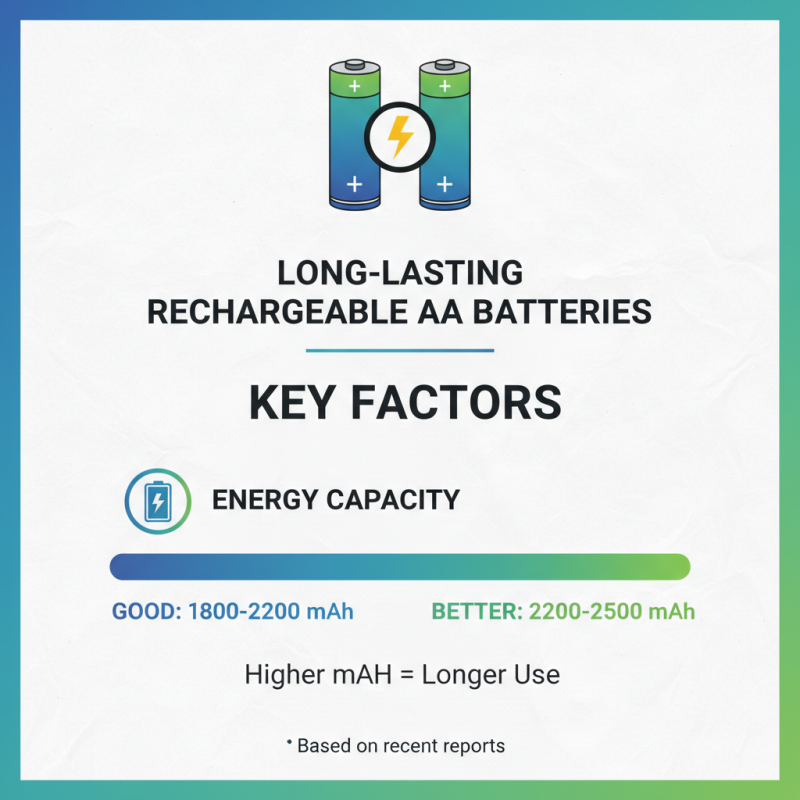
When choosing long-lasting rechargeable AA batteries, several key factors are essential. Energy capacity is crucial. Look for batteries with a capacity measured in milliampere-hours (mAh). Reports suggest that the best batteries range from 1800 mAh to 2500 mAh. Higher capacities mean longer usage before needing to recharge.
Another factor is discharge rate. Some batteries lose charge more quickly when not in use. Research indicates that low self-discharge batteries maintain their charge for a longer period. They can hold 75% of their charge after a year, compared to traditional batteries. Consider this aspect for gadgets used infrequently.
Tips: Always check the cycle life of the batteries. A higher cycle life means you can recharge them more times without significant loss of performance. Typically, good batteries last for 500 to 1000 cycles. Also, make sure your charger is compatible. Some chargers may not work optimally with all types of rechargeable AA batteries.
Lastly, consider the environmental impact. Rechargeable batteries reduce waste compared to disposable ones. However, improper disposal can still be harmful. Make sure to recycle them properly. While rechargeable batteries seem ideal, they need thoughtful handling to maximize their effectiveness and longevity.
Top Brands of Rechargeable AA Batteries on the Market Today
In the quest for the best rechargeable AA batteries, many factors come into play. Environmental impacts and battery longevity are critical. Research shows that rechargeable batteries can last up to 10 times longer than traditional alkaline batteries. However, not every brand delivers the same performance. User reviews and industry reports indicate that some batteries may not hold charge effectively after repeated cycles.
When evaluating brands, it's essential to look for ones that claim a higher number of recharge cycles. Some batteries are rated for over 1,000 cycles. Yet, real-world usage may show discrepancies. Often, consumers find their batteries underperform, losing charge faster than expected. This leads to frustration and additional purchases—a cycle that is both costly and environmentally taxing.
Price points vary widely in the market. Often, higher-priced options are marketed as premium, yet cheaper alternatives can perform similarly. Battery customers sometimes face difficult choices, weighing cost against quality. Industry standards suggest looking beyond marketing claims. Detailed user feedback can be a more honest indicator of performance. Ultimately, it's crucial to research thoughtfully before deciding which rechargeable AA battery best suits individual needs.
Best Rechargeable AA Batteries for Long Lasting Power
This chart displays the charge retention percentages of various rechargeable AA batteries, providing a clear comparison of long-lasting power. Higher percentages indicate better performance in retaining charge over time.
Comparative Analysis of Battery Capacity and Lifespan
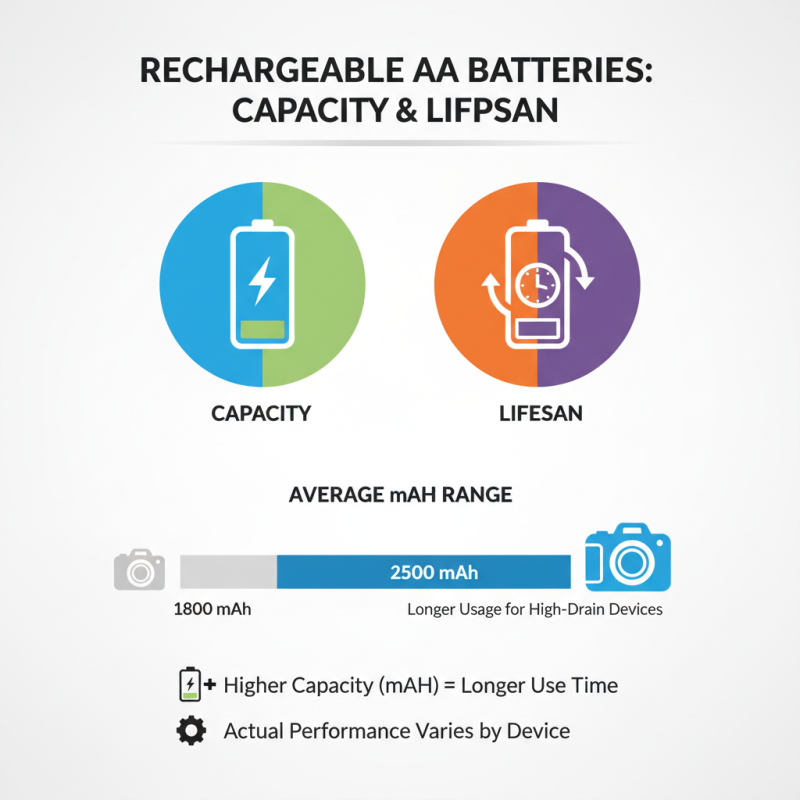
When comparing rechargeable AA batteries, capacity and lifespan are critical. Many studies show that battery capacity varies widely among different types. According to industry reports, the average capacity ranges from 1,800 mAh to 2,500 mAh. Higher capacity batteries typically provide longer usage times, making them ideal for high-drain devices like digital cameras. However, users should note that actual performance can differ based on the device.
Lifespan is another important factor. Some rechargeable batteries can endure up to 1,000 recharge cycles, while others may only last for 500 cycles. Over time, even the best batteries will exhibit diminished capacity. This means the user has to replace them more frequently. Ultimately, assessing long-term costs requires awareness of both upfront price and lifespan. Sometimes, cheaper options lead to more waste and expenses.
Moreover, not all rechargeable batteries hold their charge equally well. Environmental factors can also affect performance. In colder temperatures, some batteries may lose charge faster than expected. Users might overlook this and face unexpected performance drops. A well-rounded decision should encompass these elements and select options that fit specific needs.
Best Practices for Charging and Maintaining Rechargeable AA Batteries
To maintain the longevity of rechargeable AA batteries, one must adhere to best charging and maintenance practices. According to industry data, proper charging techniques can extend battery life by up to 30%. Overcharging can lead to reduced lifespan. Instead, aim to charge them only when necessary. Battery life typically suffers when left on charge beyond the recommended time.
Using a smart charger can help monitor charging cycles. Smart chargers can detect when batteries are fully charged and prevent overcharging. This is crucial considering that studies show that nearly 20% of battery capacity can be wasted through improper charging. It’s essential to store batteries in a cool, dry place. Extreme temperatures can damage performance and longevity.
Tips: Avoid mixing old and new batteries. Consistency is key for optimal performance. Regularly inspect batteries for any signs of swelling or leakage. They should be discarded properly if any issues are found. Lastly, remember that even rechargeable batteries degrade over time, losing capacity. Pay attention to performance changes and replace them when necessary. Regular maintenance can ensure reliable power for your devices.