What is Bulk AA Batteries and Where to Buy Them?
In today’s technology-driven world, the demand for bulk AA batteries is surging. These batteries are essential for powering numerous devices, from remote controls to cameras. Industry expert John Smith, a battery technology consultant, emphasizes, “Buying in bulk not only saves money but also ensures you always have power on hand.” His insights highlight the necessity of reliable energy sources.
When considering bulk AA batteries, understanding where to purchase is crucial. Many retailers offer bulk purchasing options, both in physical stores and online. Factors like price, quality, and brand reputation come into play. However, not all sources are equal, and it’s vital to choose a trusted supplier. Quality should never be compromised for cost.
While bulk buying appeals to many consumers, it can lead to over-purchasing or storage issues. Batteries have a shelf life, and too many unused batteries can become waste. It’s important to reflect on your actual needs before committing to a bulk order. Understanding the balance between savings and practicality can help make informed decisions for powering your devices efficiently.
What are Bulk AA Batteries and Their Benefits?
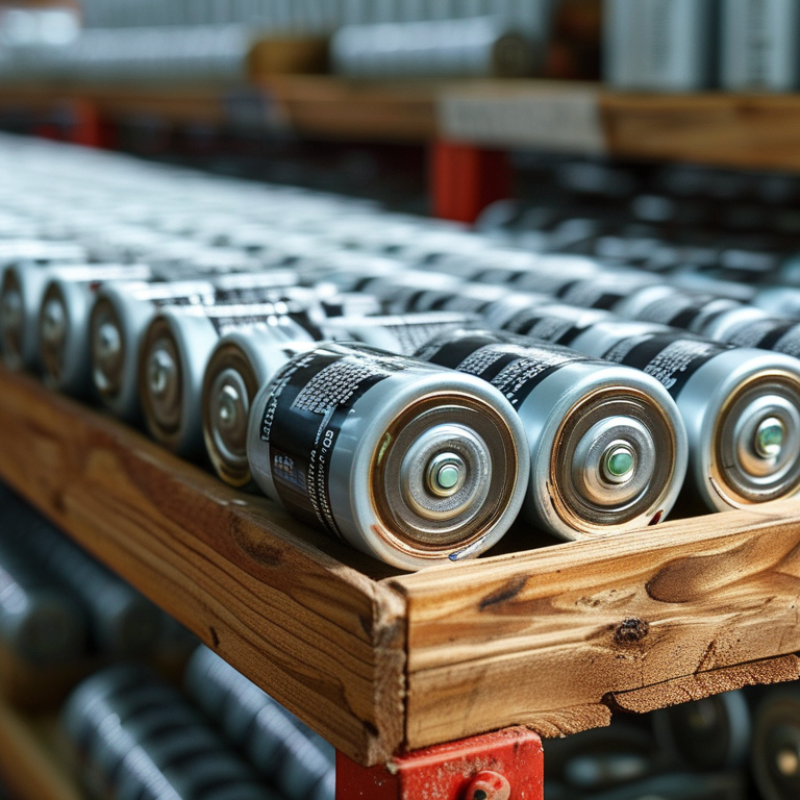
Bulk AA batteries are a practical choice for many households and businesses. They come in larger quantities, which can significantly reduce the cost per unit compared to buying single packs. According to industry reports, purchasing batteries in bulk can save consumers nearly 30% on their overall battery expenses. This is especially beneficial for organizations relying on numerous devices that require frequent battery replacements.
Another advantage of bulk AA batteries is convenience. Storing larger quantities means you are less likely to run out during critical times. Imagine a home theater system or a medical device running out of power unexpectedly. Having bulk batteries on hand ensures that you can maintain seamless operation. However, it is vital to consider shelf life. Batteries do degrade over time, and storing them in proper conditions is crucial to maintaining performance.
While buying in bulk has its benefits, it is also essential to assess your actual needs. Over-purchasing can lead to waste if batteries expire before use. Experts suggest evaluating how often you use AA batteries and calculating your annual consumption. This careful planning can help avoid unnecessary stockpiling and ensure your investments are sound.
Types of Bulk AA Batteries Available in the Market
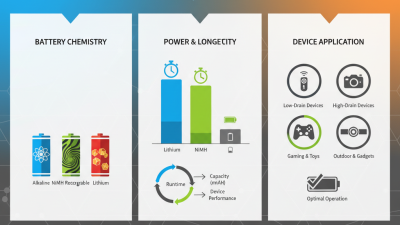
Bulk AA batteries come in several types, catering to different needs and applications. Alkaline batteries are the most common. They offer a long shelf life and are suitable for everyday devices. They perform well in gadgets like remote controls and toys. However, their capacity can diminish quickly in high-drain devices.
Another type is rechargeable NiMH batteries. These are eco-friendly and cost-effective in the long run. They can endure numerous charging cycles, making them ideal for high-usage items. Some people express concerns about their initial performance. They may require a quality charger to maximize lifespan.
Lithium batteries are also available in bulk. They are lightweight and deliver consistent power. They work well in devices requiring high energy, like digital cameras. However, they can be more expensive. Each type has its pros and cons. Evaluating the specific use and cost can help in making the right choice.
Criteria for Choosing the Right Bulk AA Batteries
When selecting bulk AA batteries, it’s vital to consider several key factors. First, the capacity is crucial. Battery capacity is measured in milliamp hours (mAh). A higher mAh rating indicates a longer-lasting battery, essential for high-drain devices. Research indicates that batteries in the 2500-3000 mAh range tend to perform better in various applications.
Next, consider the shelf life of the batteries. Many consumers overlook this aspect. Alkaline AA batteries typically have a shelf life of five to ten years. In contrast, lithium AA batteries can last up to fifteen years. Choosing the right type can save money in the long run. Additionally, environmental impact matters. According to studies, rechargeable batteries can reduce waste by up to 1,000 times compared to single-use ones.
Lastly, bulk purchases often lead to cost savings. However, price should not be the only consideration. Reliability and performance are equally important. It’s advisable to check reviews and seek recommendations to avoid subpar options. Some products may look appealing but fail in essential areas like longevity or safety. A little research can go a long way in ensuring satisfaction with your bulk battery choices.
Where to Buy Bulk AA Batteries: Top Retailers and Online Options
When considering where to buy bulk AA batteries, multiple channels offer competitive options. Online retailers dominate the market. A report from Statista shows that e-commerce sales continue to grow, with over 20% of total retail sales now online. Websites usually provide customer reviews and detailed product descriptions, which can help buyers make informed decisions.
Local retailers also play a key role in battery sourcing. Stores like discount chains or home improvement centers often stock bulk batteries. According to industry data, more than 35% of consumers prefer shopping in-store for products they need immediately. However, the selection might be limited, and prices can vary significantly.
It is essential to compare prices across different platforms. Some online stores provide bulk purchase discounts, while local retailers may offer loyalty rewards. Being aware of these options can lead to quality purchases. Additionally, understanding the battery’s life expectancy is vital. Statistics indicate that consumers often underestimate how long batteries last, impacting overall satisfaction. Therefore, careful consideration before buying is crucial for maximizing value.
Tips for Storing and Maintaining Bulk AA Batteries for Longevity
When it comes to bulk AA batteries, proper storage is essential for longevity. Storing them in the right conditions can greatly extend their lifespan. Ideally, you should keep them in a cool, dry place. Extreme temperatures can cause leakage or reduce battery capacity. A consistent environment is better than fluctuating temperatures.
Additionally, it's crucial to avoid humidity. Excess moisture can corrode the terminals, affecting performance. Use a plastic container for storage to protect against dust and moisture. Keep batteries organized and check their expiration dates regularly. If they are unused past the expiration, consider recycling them rather than risking leakage.
Maintaining bulk AA batteries also involves periodic testing. Rotate the batteries in your collection, using older ones first. This way, you can prevent unnecessary waste. Regular inspection of batteries can help identify any that might be losing charge. Remember, not all batteries perform the same, and attention to detail in storage can make a significant difference.
What is Bulk AA Batteries and Where to Buy Them? - Tips for Storing and Maintaining Bulk AA Batteries for Longevity
| Category |
Description |
Average Price per Pack |
Recommended Storage Conditions |
Lifespan |
| Alkaline AA Batteries |
Common household batteries for everyday use. |
$15 for 48-pack |
Cool, dry place, away from direct sunlight. |
3-5 years |
| Lithium AA Batteries |
Longer-lasting batteries often used in high-drain devices. |
$25 for 24-pack |
Store at room temperature and humidity. |
10-15 years |
| Rechargeable AA Batteries |
Batteries that can be recharged multiple times. |
$30 for 12-pack |
Keep away from moisture, store at moderate temperatures. |
2-5 years (with proper care) |
| NiMH AA Batteries |
Nickel-Metal Hydride batteries suitable for high-drain applications. |
$35 for 16-pack |
Store in cool, dry, and uncharged state for longevity. |
5-7 years |
| Zinc-Carbon AA Batteries |
Inexpensive option, best for low-drain devices. |
$10 for 48-pack |
Store in a dry place, avoid extreme temperatures. |
1-3 years |