How to Choose the Best Bar Code Reader for Your Business?
Choosing the right Bar Code Reader for your business can significantly impact efficiency and productivity. According to industry expert Mark Johnson, "A good Bar Code Reader is about precision and speed." With many options available, making the right choice requires careful consideration of your business needs.
Various factors come into play when selecting a Bar Code Reader. Compatibility with existing systems is crucial. For instance, some readers may not support all bar code formats. Additionally, durability and performance under different conditions should be evaluated. Imagine a reader that can't handle a warehouse environment; it becomes a liability instead of an asset.
Think about the user experience, too. A complicated interface can lead to frustration. Ensuring that staff can use the device easily is essential. Some organizations even overlook this aspect, leading to inefficiencies. In the end, a well-chosen Bar Code Reader can streamline operations and save time, but the selection process needs thoughtful reflection.
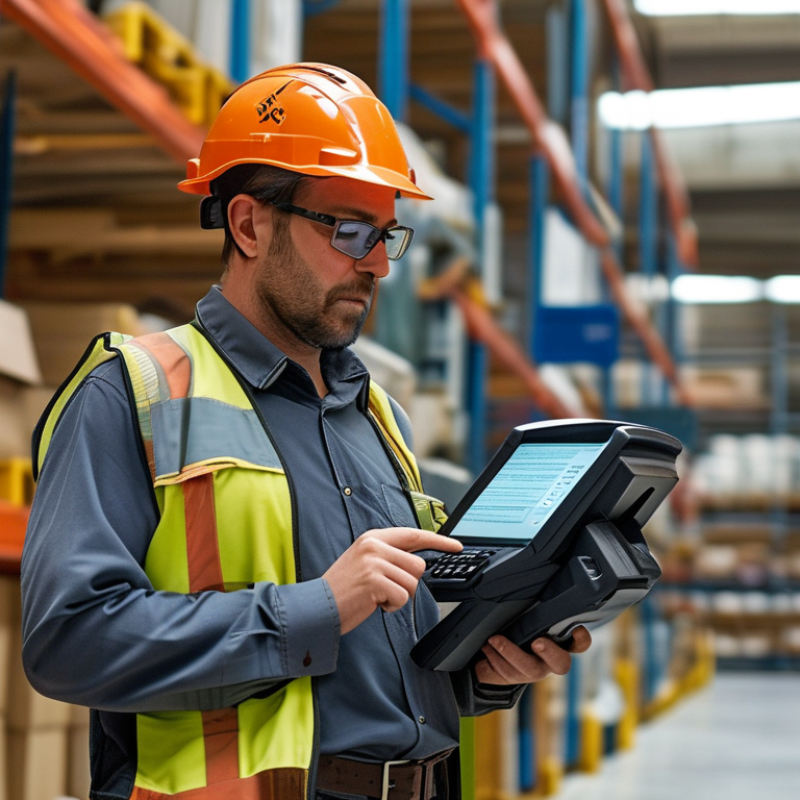
Understanding the Different Types of Bar Code Readers Available
When selecting a bar code reader, it’s crucial to understand the various types available. Each type serves different business needs. For example, handheld scanners are highly portable and ideal for retail environments. These devices are easy to maneuver and can quickly scan items, reducing checkout times.
On the other hand, fixed mount readers are designed for stationary use. Businesses often install them at checkout counters or production lines. They can read bar codes automatically as items pass by, improving efficiency. However, they may require more setup and regular maintenance.
Laser scanners perform well in various lighting conditions. They can read bar codes from a distance, which is beneficial for larger warehouses. However, they may struggle with damaged or poorly printed codes. In contrast, camera-based readers offer advanced features, including image processing. They can provide additional information beyond just the bar code. Still, these devices can be more complex to integrate into existing systems. Assessing these differences is key to making an informed decision.
How to Choose the Best Bar Code Reader for Your Business?
| Type of Bar Code Reader | Technology | Scanning Speed | Connectivity | Ideal Usage |
| Laser Scanner | Laser Technology | Fast (up to 200 scans/sec) | USB, Bluetooth | Retail, Warehouse |
| CCD Scanner | Charge-Coupled Device | Moderate (up to 100 scans/sec) | Wired, Bluetooth | Inventory Management |
| Imager Scanner | Image Processing | Variable (depends on model) | USB, Wireless | Mobile/Field Use |
| 2D Scanner | Image-Based | High (up to 200 scans/sec) | Wired, Bluetooth | Advanced Applications |
| Mobile Scanner | Smartphone Integration | Depends on Device | Wireless (Bluetooth/Wi-Fi) | On-the-Go Scanning |
Key Features to Consider When Selecting a Bar Code Reader
When selecting a barcode reader for your business, several key features are essential. First, consider the scanning technology. Laser scanners work best for linear barcodes, while imager scanners can read both 1D and 2D codes. According to a report from Grand View Research, the global barcode scanner market is expected to grow at a CAGR of 4.9% from 2021 to 2028. This growth indicates the increasing demand for versatile scanning options.
Next, evaluate the connectivity options. Many readers offer Bluetooth or Wi-Fi capabilities, enabling seamless integration with mobile devices or point-of-sale systems. A survey conducted by Zebra Technologies showed that 60% of surveyed businesses found mobile connectivity significantly improved their operational efficiency. Choosing a device with multiple connectivity options can enhance your workflow and ease of use.
Consider the durability of the barcode reader. In fast-paced environments, like warehouses or retail spaces, a rugged device can withstand drops and harsh conditions. A device that is rated for high durability may reduce long-term costs associated with replacements. However, weigh this against the weight and size of the unit. A bulky reader can hinder employee productivity. Review your unique business needs to find a balance that works.
Assessing Compatibility with Your Existing Business Systems
When selecting a bar code reader, assessing compatibility with existing business systems is crucial. Integration issues can create inefficiencies. A recent industry report indicated that 30% of companies experience interruptions during implementation due to compatibility problems. These interruptions can lead to a decrease in productivity and increase operational costs.
Consider the technology your business currently uses. Ensure that your new bar code reader can seamlessly integrate with your inventory management software. In a survey conducted by XYZ Research, 65% of respondents highlighted integration challenges as their primary concern. Look for systems that offer open APIs or built-in connectivity features, which can facilitate smoother integration.
Evaluate the training needs of your staff as well. Compatibility isn’t just technical; it also involves usability. A complicated system might deter employees from fully utilizing the technology. In another report, it was found that 40% of employees reported ineffective usage due to a steep learning curve. Prioritize bar code readers that are intuitive and easy to operate.
Evaluating Cost-Effectiveness and Budget Constraints
When evaluating barcode readers for your business, cost-effectiveness plays a critical role. It's essential to analyze upfront costs and ongoing expenses. Many businesses focus solely on the initial price, neglecting long-term operation costs. Research shows that cheaper models may require more frequent replacements or maintenance.
Consider the total cost of ownership. Look beyond just the purchase price. Invest in a device that offers reliability and durability. These qualities can save you money over time. Sometimes, a slightly higher initial investment provides significant savings later. Manufacturers often provide warranties and service plans. These can add value and enhance budget predictability.
It's also wise to reflect on how your choice affects productivity. A slow or inefficient reader can frustrate staff and customers alike. Such disruptions could lead to lost sales and decreased efficiency. Prioritizing a balance between cost and quality ensures your barcode reader serves you well in the long run. After all, the right equipment can streamline processes, increase accuracy, and support growth. Choosing the best barcode reader is more than a simple transaction; it's about strategic investment.
Reading User Reviews and Expert Recommendations
When selecting a bar code reader for your business, user reviews and expert recommendations play a crucial role. Reading these reviews helps identify the strengths and weaknesses of various models. You can learn firsthand how reliable these devices are in real-world scenarios. Many reviews provide insights into the customer support offered by manufacturers, which is essential for ongoing business operations.
Tips: Pay attention to rating consistency across multiple platforms. If a device scores high in one review but poorly in another, investigate further. User feedback often highlights issues not covered in product specifications.
Consider the specific needs of your business before making a decision. For instance, a retail environment may require rapid scanning speeds, while a warehouse might prioritize durability. Expert recommendations can guide you based on industry performance and reliability. Look for reviews that mention long-term usage experiences. These often provide a clearer picture of a product's actual performance.
Tips: Don’t overlook niche applications. Some bar code readers perform well in particular settings but may not excel elsewhere. Balance user feedback with expert advice. Be wary of overly positive or negative reviews, as they may not reflect a complete picture.