How to Choose Ground Rod Copper for Effective Grounding Solutions?
Ground rods are critical for effective grounding solutions in electrical systems. The choice of material is key. Ground Rod Copper, known for its conductivity, plays a significant role in safety and efficiency. According to IEEE standards, grounding systems must be reliable to protect users from electrical faults. Data shows that copper grounding rods reduce grounding resistance more effectively than other materials.
However, not all copper ground rods are created equal. Factors like rod diameter, length, and soil type influence performance. In some cases, installers overlook these details. This can lead to increased resistance and compromised safety. Maintenance is another crucial aspect. Regular testing is essential to ensure continued effectiveness. Neglecting maintenance may result in unexpected failures.
The electric utility industry emphasizes the importance of proper grounding solutions to prevent hazards. With copper as a leading choice, understanding its properties is vital. Selecting the right ground rod copper can greatly enhance the safety and reliability of electrical systems. Consideration of these factors is essential for optimal performance.
Understanding the Importance of Grounding in Electrical Systems
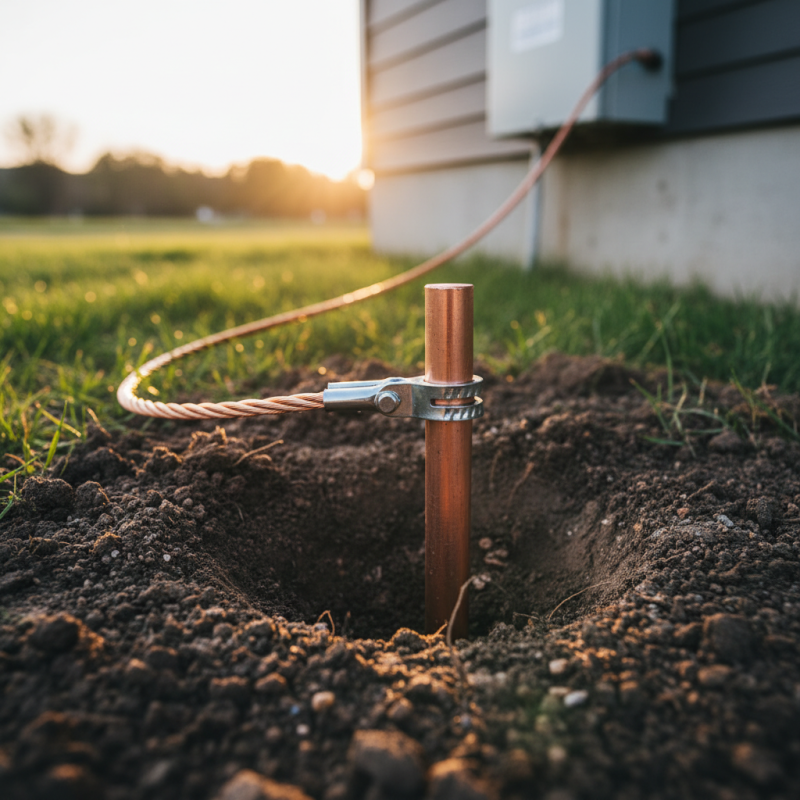
Grounding is crucial for any electrical system. It ensures safety and stability by providing a path for excess electricity to flow into the ground. Without proper grounding, systems can be vulnerable to surges and faults, leading to potential hazards. Ground rods, especially those made of copper, play a key role in this process. They offer low resistance, enhance conductivity, and stand the test of corrosion.
Here are a few tips on choosing the right copper ground rod. First, consider the diameter and length. A thicker rod can provide better conductivity, but it also depends on soil conditions. The material quality matters too. Pure copper is best, but many use a copper-bonded steel rod as a cost-effective alternative.
Proper installation is just as important. Ensure that the rod is driven deep into the ground, ideally 8 to 10 feet. Document the installation to monitor any changes over time. Use a soil resistance tester after the installation to confirm effectiveness. Remember, even with the right materials, poor installation can lead to problems. Regular checks and maintenance are vital for ensuring that your grounding system remains effective.
Types of Ground Rods: Copper vs. Other Materials
When considering grounding solutions, the type of ground rod you choose is critical. Copper ground rods stand out due to their conductivity and durability. They provide superior performance in various soil conditions. This makes them a popular choice among electricians and engineers. However, copper can be expensive. Other materials like stainless steel or galvanized steel offer cost-effective alternatives. They may not conduct electricity as well but can still provide adequate grounding.
The choice of material also affects corrosion resistance. Copper is highly resistant to corrosion, which ensures a longer lifespan. In contrast, galvanized rods can corrode over time, especially in acidic or saline soils. This may lead to a weaker grounding system. While copper offers excellent conductivity and lifespan, weigh the budget constraints against performance needs.
Installation methods differ for each type of rod as well. Copper rods require specific handling to avoid damage. Improper installation can nullify the benefits of using a copper rod. Stainless and galvanized rods may be more forgiving, but their effectiveness can still diminish if poorly installed. Reflecting on these factors is essential. Each project has unique requirements, making a one-size-fits-all solution ineffective.
Factors to Consider When Selecting Copper Ground Rods
When selecting copper ground rods, it’s vital to consider several important factors. The diameter and length of the rod significantly influence its performance. A standard choice is a 5/8-inch diameter rod, but some situations may require a thicker rod for better conductivity. Each installation location can impact grounding effectiveness.
Soil conditions play a crucial role as well. High resistivity soil, such as sandy or rocky terrain, may demand longer or more rods to achieve optimal grounding. In contrast, wet, clay-rich soil allows for shorter rods to function effectively. Evaluate your site’s conditions carefully; this ensures reliability for electrical systems.
In addition to these factors, local codes and regulations must be adhered to. Compliance with standards protects both property and personnel. Sometimes, the ideal setup may require reevaluation based on evolving safety guidelines or project changes. Reflecting on these aspects allows for a more thoughtful approach to the grounding solution. Choosing the right copper ground rod is more than a simple selection process; it’s a commitment to safety and reliability.
Installation Techniques for Effective Grounding Solutions
Grounding is crucial for electrical safety and system performance. Choosing the right installation technique can make a real difference. The National Electrical Code (NEC) recommends a minimum resistance of 25 ohms for grounding systems. Exceeding this can lead to potential hazards and equipment malfunction.
Installing a copper ground rod requires attention to several factors. The rod should be driven into the earth to a depth of at least 8 feet for optimal conductivity. Studies show that soil composition significantly affects grounding efficiency. For example, damp soil provides better conductivity than dry soil. Utilizing a grounding system with multiple rods can reduce resistance, enhancing system reliability.
While these methods are essential, errors can occur. Improper connections can lead to increased resistance and potential failures. Regular inspections and thorough documentation of your grounding system are vital. An annual resistance test can reveal problems before they escalate. Understanding local soil conditions can also guide installation choices. Always consider these factors to improve your grounding strategies effectively.
Maintenance Tips for Copper Ground Rods to Ensure Longevity
Copper ground rods are essential for effective grounding solutions. They can last many years if properly maintained. Regular inspections help identify corrosion or damage early. A visual check should include looking for rust or discoloration. Physical damage can lead to grounding failures, which can be dangerous.
Cleaning the ground rods is also important. Use a wire brush to remove any corrosion. It's best to do this during routine maintenance. After cleaning, apply a conductive grease. This will protect the copper from moisture and further corrosion. Check connections regularly to ensure they are tight and free of debris.
Even with careful maintenance, wear and tear can occur. Factors like soil conditions and weather can affect longevity. If a ground rod shows significant signs of wear, it should be replaced. Ignoring these signs can lead to grounding issues. Establish a regular schedule for inspections to avoid potential problems.
Ground Rod Copper Longevity vs. Maintenance Frequency
This chart illustrates the relationship between the frequency of maintenance and the expected longevity of copper ground rods. Regular maintenance significantly enhances the lifespan of grounding solutions.