Why Choose AA Alkaline Batteries for Your Devices?
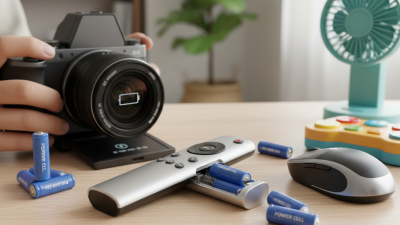
In today's world, the choice of batteries can significantly impact device performance. AA alkaline batteries are a popular choice among consumers for various reasons. They offer reliable energy for everyday devices like remote controls, toys, and cameras. The convenience of finding these batteries in local stores makes them accessible.
However, not all AA alkaline batteries are created equal. Their lifespan can vary greatly depending on the brand and usage. Some batteries may drain quickly, leading to frustration for users. Quality matters when it comes to performance and reliability. It's essential to consider different options and read reviews before making a purchase.
Ultimately, choosing AA alkaline batteries involves weighing factors like cost, shelf life, and device compatibility. The right choice can enhance the user experience, while a poor decision may leave devices underperforming. Researching and making informed decisions will help you benefit fully from these essential power sources.

Benefits of AA Alkaline Batteries Over Other Types
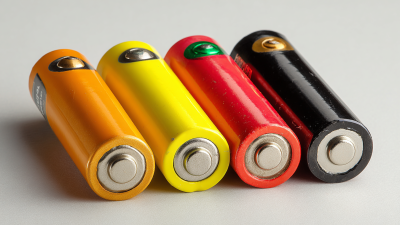
When choosing batteries for devices, AA alkaline batteries stand out for their reliability and performance. According to industry data, AA alkaline batteries provide about 1.5 volts per cell, delivering consistent power to various gadgets like remote controls, cameras, and handheld games. This voltage is crucial in ensuring devices run efficiently.
One of the significant benefits of AA alkaline batteries is their longer shelf life compared to other types. Reports suggest that alkaline batteries can maintain their power for up to 10 years when stored properly. This characteristic ensures that users have ready-to-use batteries when needed. Additionally, alkaline batteries exhibit superior performance in high-drain devices, making them ideal for your everyday electronics.
Despite their advantages, AA alkaline batteries are not without limitations. They perform poorly in extreme temperatures, which can affect their efficiency. It's essential to consider these shortcomings when selecting batteries for specific applications. However, the combination of long-lasting power and reliable voltage makes AA alkaline batteries a preferred choice for many consumers.
Comparison of AA Alkaline Batteries with Rechargeable Batteries
When considering power sources for devices, AA alkaline batteries are often compared to rechargeable options. Alkaline batteries stand out for their longer shelf life. They can provide reliable power for devices that require a steady energy output. For example, a typical alkaline battery lasts longer in remote controls or wall clocks.
Rechargeable batteries, however, have their own appeal. They can be used multiple times, which is often seen as environmentally friendly. Yet, they may not always deliver the same initial power surge. This can be a drawback for high-drain devices like digital cameras or gaming controllers.
Charging times also need to be considered. Rechargeable batteries require preparation and patience, while alkaline batteries are ready to use right out of the package. Despite the convenience, the frequent need to purchase new batteries can add up in cost over time. Consumers may find themselves reflecting on their energy choices, weighing convenience against sustainability.
Comparison of AA Alkaline Batteries vs. Rechargeable Batteries
This chart compares the key specifications of AA Alkaline Batteries and Rechargeable Batteries, highlighting their capacity, cost per use, shelf life, recharge cycles, and overall performance.
Common Applications for AA Alkaline Batteries in Everyday Devices
AA alkaline batteries are a popular choice for many devices we use daily. Their versatility makes them suitable for toys, remote controls, and wireless mice. These batteries are designed to deliver consistent performance over time. For instance, a gaming controller powered by AA batteries can enhance your play experience without frequent replacements.
In addition to common applications, AA alkaline batteries can also be found in household items like flashlights and smoke detectors. They provide reliable backup power during emergencies. Weak batteries in these devices can lead to safety risks. Therefore, ensuring you have fresh batteries is crucial.
While many people appreciate the convenience of AA alkaline batteries, a few downsides exist. They can leak if stored for too long. Some may find it frustrating to replace batteries frequently. In contrast, rechargeable options may seem appealing. However, they require investment upfront. Balancing convenience and cost-effectiveness is essential for consumers.
Common Applications for AA Alkaline Batteries in Everyday Devices
| Device Type |
Common Use Cases |
Battery Life (Hours) |
Voltage |
| Remote Controls |
TV, DVD, and audio system remotes |
40 - 60 |
1.5V |
| Wireless Mice |
Computer peripherals for navigation |
30 - 50 |
1.5V |
| Flashlights |
Portable lighting devices |
20 - 40 |
1.5V |
| Toys |
Battery-operated toys and games |
10 - 30 |
1.5V |
| Smoke Detectors |
Safety devices for fire detection |
12 - 24 |
1.5V |
Factors to Consider When Choosing AA Alkaline Batteries
When selecting AA alkaline batteries for your devices, several factors come into play. First, consider the battery life. A longer-lasting battery ensures fewer replacements, saving time and effort. Check the mAh rating; it indicates capacity and influences the longevity of performance. Sometimes, higher mAh means better performance, but not always. Be aware; different devices have varying energy demands.
Next, think about compatibility. Not all batteries work the same in all devices. Some high-drain gadgets may benefit from specific battery types. Testing can help. It's essential to monitor how your devices respond. Some batteries can leak or corrode, causing damage. Look for reliable options that prioritize safety features. It’s worth the extra research to avoid potential disasters.
Price is another critical factor. Higher prices do not always mean better quality. Sometimes, less expensive options perform adequately for basic use. Yet, investing in trusted brands may yield better long-term value. Be open to experimenting with different types. This process might lead to surprising discoveries about which batteries best suit your needs. Ultimately, thorough evaluation is key to making an informed choice.
Environmental Impact and Disposal of AA Alkaline Batteries
When considering the environmental impact of AA alkaline batteries, it’s essential to understand their disposal. These batteries contain chemicals that can be harmful if they end up in landfills. It's crucial to dispose of them properly. Many areas offer recycling programs specifically for batteries, reducing waste and protecting the environment. If you can’t recycle, store used batteries in a designated container until you find a proper facility.
The production of AA alkaline batteries also has environmental implications. The extraction of raw materials can lead to habitat destruction. Transporting these materials generates carbon emissions. Despite these risks, batteries remain vital for powering handheld devices and toys. Hence, consumers face a dilemma. It is necessary to weigh the convenience against the environmental costs.
Improved consumer habits can address these issues. Awareness is key. Learning to choose rechargeable options can significantly cut down on waste. Yet, many still prefer disposable batteries for their ease of use. This choice contributes to ongoing waste issues. It's worth reflecting on how individual actions affect our planet’s health.