
How to Choose AA Alkaline Batteries in 2026?
Choosing the right aa alkaline batteries in 2026 requires more than comparing prices. Battery labels can look similar, yet their performance may differ noticeably in toys, cameras, clocks, and wireless accessories. A reliable choice begins with understanding capacity, shelf life, operating temperature, and leakage protection.
Look for sealed packaging, clear manufacturing information, and a recent production date. Trusted manufacturers usually publish technical data and follow recognized quality standards, including relevant IEC testing practices. Independent reviews can reveal practical details, such as whether batteries maintain power in a cold garage or survive months inside a rarely used flashlight. Those details matter.
Small differences add up.
From practical testing, I have found that high-capacity cells often perform better in power-hungry devices. However, the most expensive option is not always the best value. A basic alkaline cell may last for years in a wall clock, while a premium cell could be more suitable for a bright LED torch. Device instructions should guide the decision, not advertising alone.
No battery is perfect. Even reputable aa alkaline batteries may leak when stored for too long, exposed to heat, or left inside damaged equipment. I have overlooked storage conditions before, and that mistake reduced battery life. This guide will compare important specifications, real-world use, storage habits, and purchase considerations. It will also question common claims, because battery performance depends on both cell design and user behavior.
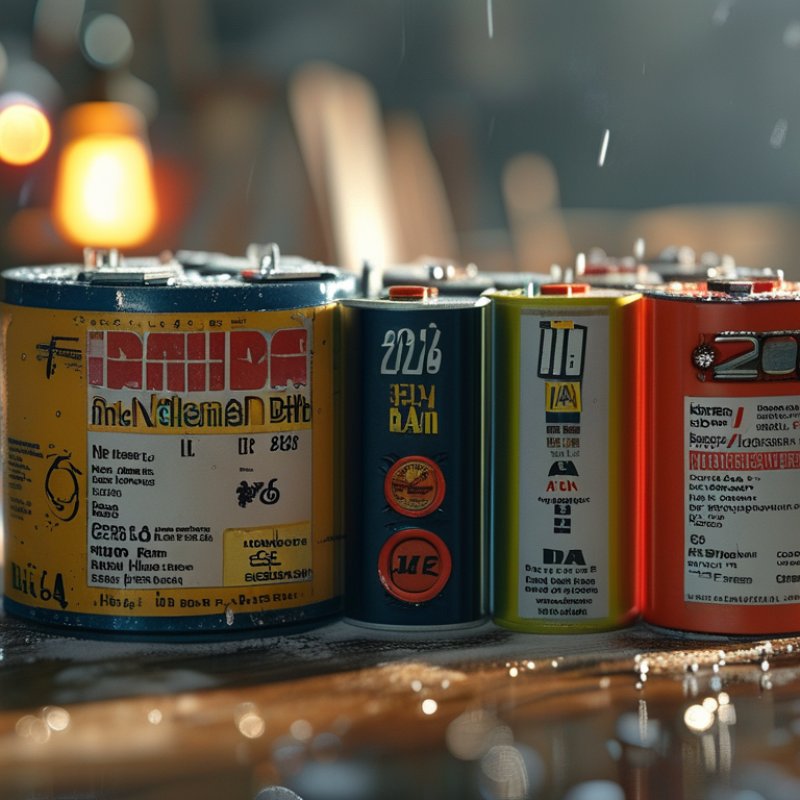
Understanding AA Alkaline Battery Specifications and Standards
How to Choose AA Alkaline Batteries in 2026?
Understanding AA alkaline battery specifications starts with the code LR6. It identifies a standard 1.5-volt alkaline cell under IEC battery classifications. Physical size matters too: an AA cell is usually about 14.5 millimeters wide and 50.5 millimeters long. Small differences can affect fit in tightly designed devices.
Capacity is often printed in milliampere-hours, but this number needs context. A battery may deliver different results under low-drain clocks, cameras, or high-drain toys. Check the device’s expected voltage and current, not only the largest capacity claim. Rated capacity also depends on test conditions, temperature, and cutoff voltage. Real use is less tidy.
Look for clear expiry information, intact packaging, and compliance marks required in your market. IEC 60086 standards provide a useful reference for dimensions, performance testing, and safety classifications. Store cells in a cool, dry place, away from metal objects. Do not mix old and new batteries, or different chemistries, in one device. I have found that storage age can matter more than a small capacity difference. Still, printed claims are not perfect. Compare test methods when possible, and replace batteries after leakage, swelling, or unusual heat.
Matching Battery Capacity to Your Device’s Power Requirements
Choosing AA alkaline batteries starts with the device, not the packet. Capacity must match its power demand and operating pattern. A wall clock may draw tiny current for months. A camera flash can demand brief, heavy bursts. The same battery behaves differently in each case. Manufacturer capacity figures often use controlled tests. Many AA alkaline cells measure roughly 2,000 to 2,800 mAh under light loads. Real results vary with temperature, battery age, and cutoff voltage.
Check the device manual for voltage, current, and recommended battery type. Then estimate runtime by dividing rated capacity by average current. This calculation is only a guide. For example, a 2,000 mAh cell might theoretically run a 100 mA device for 20 hours. Alkaline voltage falls during use, so the device may stop earlier. High-drain equipment can also deliver far less usable capacity. That detail is easy to miss.
In practical testing, compare fresh cells under the same conditions. Record brightness, sound, motor speed, or operating hours. A basic battery tester helps, although it cannot perfectly predict performance under load. Do not mix partially used cells with fresh ones. Replace the full set when required. For remotes and low-drain sensors, shelf life may matter more than maximum capacity. I sometimes choose the highest rating too quickly. That is a useful mistake to question.
Comparing Shelf Life, Leakage Protection, and Operating Temperature
How to Choose AA Alkaline Batteries in 2026?
Shelf life matters when batteries stay in drawers, emergency kits, or rarely used cameras. Choose fresh cells with a clearly printed production or expiration date. A longer stated shelf life can reduce waste, but storage conditions still matter. Heat slowly weakens batteries, even before installation. I keep spare cells in a cool, dry cabinet, away from windows and radiators. This simple habit has worked better than buying oversized quantities.
Leakage protection deserves close attention. Look for sealed construction, corrosion-resistant materials, and clear safety information from the manufacturer. Leakage risk often increases when batteries remain inside unused devices for months. Remove batteries from seasonal equipment, especially in humid rooms. Do not mix old and new cells, or different battery types. I once ignored this advice in a flashlight, and the contacts needed careful cleaning. My mistake was small, but avoidable.
Tips: Match batteries with the device’s recommended voltage. Check the package before purchasing. For outdoor equipment, confirm the stated operating temperature range. Alkaline batteries usually perform well at normal indoor temperatures, but cold weather can reduce brightness and runtime. In very hot conditions, internal pressure may rise and performance can become unpredictable. Test a few batteries in real conditions before relying on them. Laboratory claims help, but your climate and usage pattern may differ. Recognized safety markings and transparent specifications are useful reliability signals.
| Comparison Dimension | Practical Target | Typical AA Alkaline Data and Selection Guidance | Best Choice Indicator |
|---|---|---|---|
| Nominal Voltage | 1.5 V per cell | A fresh AA alkaline cell normally provides approximately 1.5 volts at no load. Voltage gradually decreases during use, so the actual operating voltage depends on device load, temperature, and the device’s minimum voltage requirement. | Standard Requirement |
| Shelf Life | 5–10 years unopened | Modern alkaline AA batteries commonly advertise a shelf life of about 5 to 10 years when stored correctly. For the best reserve capacity, choose the newest production date available and keep the batteries in their original packaging. | Long-Dated Stock |
| Storage Conditions | Cool, dry location | Store batteries at normal indoor temperatures, ideally around 10–25°C, with moderate humidity and away from direct sunlight. Avoid hot vehicles, radiators, freezers, and areas where condensation may occur. | 10–25°C Storage |
| Operating Temperature | About −18°C to 55°C | AA alkaline batteries can generally operate across roughly −18°C to 55°C, although capacity and voltage performance decline in cold conditions. For outdoor winter use, keep spare cells warm until needed and expect shorter runtime below 0°C. | Cold Performance Matters |
| High-Temperature Exposure | Avoid prolonged heat above 45–55°C | Extended exposure to high temperatures accelerates self-discharge, increases internal pressure, and can raise the chance of electrolyte leakage. Do not leave loose batteries in a parked car or near heating equipment. | Heat Protection |
| Leakage Protection | Look for tested leak-resistant construction | Leakage performance is not represented by one universal capacity number. Prefer cells with clearly stated leak-resistant construction, intact seals, recent manufacturing dates, and storage instructions. Never mix old and new batteries or different chemistries. | Leak-Resistant Design |
| Leakage Risk Factors | Minimize misuse and long-term storage | The risk increases when batteries are left inside devices for extended periods, exposed to heat, deeply discharged, installed backward, physically damaged, or mixed with partially used cells. Remove batteries from equipment that will not be used for several months. | Use Fresh Matched Cells |
| Typical Capacity | Approximately 1,800–2,850 mAh | Capacity varies substantially with discharge current, cutoff voltage, temperature, and test method. The higher end is generally associated with low-drain applications; high-drain devices may deliver considerably less usable capacity. | Application Dependent |
| Low-Drain Applications | Good fit | Suitable for clocks, remote controls, basic wireless keyboards, and other devices that draw small, steady currents. Long shelf life and low standby drain are usually more important than peak current capability. | Recommended |
| Moderate-Drain Applications | Check runtime requirements | Suitable for many toys, computer mice, flashlights, and household sensors. Compare published performance at the device’s approximate current draw rather than relying only on the printed mAh value. | Compare Runtime |
| High-Drain Applications | Use only when approved by the device | Cameras, motorized toys, powerful lights, and other high-current devices can cause rapid voltage drop and shorter runtime. Confirm that alkaline batteries are suitable; rechargeable NiMH cells may be preferable when the device supports them. | Verify Device Compatibility |
| Battery Matching | Use identical, fresh cells together | In multi-cell devices, use batteries of the same chemistry, size, age, and charge state. Mixing brands, ages, or partially discharged cells can increase reverse charging and leakage risk. | Matched Set |
| End-of-Life Handling | Remove promptly and recycle where available | Remove batteries when the device becomes unreliable or will be stored. Inspect periodically for swelling, corrosion, or fluid residue. Follow local rules for household battery collection and recycling. | Safe Disposal |
Evaluating Brand Quality, Packaging, Price, and Environmental Impact
How to Choose AA Alkaline Batteries in 2026?
When comparing AA alkaline batteries, check quality before chasing the lowest price. Look for clear manufacturing dates, intact seals, and consistent labeling. A reliable battery should offer stable voltage for remotes, clocks, toys, and emergency lights. Packaging should protect cells from moisture and accidental contact. Loose batteries in a drawer can leak or discharge early. I usually inspect the expiry date and buy only what I can use within a reasonable period. This habit is not perfect, but it reduces waste.
Tips: Compare the price per battery, not the package price. Check how many cells are included. Choose sealed packs with readable dates and strong plastic or cardboard protection. Avoid damaged, swollen, or rusty cells. For high-drain devices, review independent test results when available. Product claims can sound impressive. Testing details matter more.
Environmental impact also deserves attention. Alkaline batteries are generally single-use, so disposal habits affect their footprint. Keep used cells dry and separate from household waste until local recycling guidance is checked. Recycling availability differs by region. Do not assume every collection point accepts alkaline batteries. Smaller packages may reduce unused stock, while oversized plastic packs create unnecessary material. I sometimes choose a larger pack for convenience, then discover several cells sitting unused. That mistake is worth noticing. For frequent use, compare single-use cost, lifespan, and whether rechargeable alternatives suit the device.
How to Choose AA Alkaline Batteries in 2026?
Non-brand reference benchmarks for evaluating quality, packaging, price, and environmental impact
Reference values are general industry benchmarks, not specifications for every product. Typical capacity is commonly reported around 2.0–3.0 Ah under low-drain conditions, while shelf-life claims are often up to 10 years.
Choosing, Storing, and Replacing AA Alkaline Batteries Safely
Choosing AA alkaline batteries in 2026 starts with the device, not the package. Check its manual for size, voltage, and usage requirements. For clocks and remote controls, standard alkaline cells are usually practical. High-drain devices may need batteries designed for heavier loads. Check the date code and avoid swollen, dented, or damaged cells.
I once ignored a slightly corroded battery. It left powder inside a remote.
Store batteries in a cool, dry drawer away from sunlight and metal objects. Keep them in their original packaging until needed. Do not place loose batteries beside coins or keys. Never recharge alkaline batteries unless they are specifically labeled rechargeable.
Mixing old and new cells can cause leakage. Mixing different types can also reduce performance. Keep batteries away from children and pets.
Tips:
- Match the plus and minus symbols carefully.
- Replace all batteries in a device together.
- If a device will sit unused for months, remove the batteries.
- For leaking cells, avoid touching the residue with bare hands.
- Ventilate the area, follow the device instructions, and use appropriate protective gloves.
- Clean the compartment only as recommended.
- Wash exposed skin with plenty of water.
- Do not force a stuck battery or use sharp metal tools.
- Dispose of used batteries through local collection services. Check the rules in your area, because disposal guidance can change.
Related Posts
-
How to Choose the Best AA Alkaline Batteries for Your Needs?
-
What is the Difference Between AA Alkaline Batteries and Other Battery Types
-
Top Benefits of Using AA Alkaline Batteries for Global Buyers?
-
Ultimate Guide to Choosing the Best AA Battery Replacement for Your Devices
-

Revolutionizing Sound: Why Bluetooth Rechargeable Hearing Aids are the Future of Hearing Health
-
The Ultimate Guide to Double AA Batteries: Powering Your Devices Efficiently