How to Choose the Best Anti Drone Device for Your Needs?
In recent years, the proliferation of drones has raised security concerns across various sectors. According to the drone market report by Research and Markets, the global drone security market is projected to reach $29 billion by 2027. This growth underscores the increasing need for effective protection against unauthorized drone activities. Selecting the right Anti Drone Device is crucial for ensuring safety and privacy in both public and private spaces.
With increasing incidents of drone misuse, enterprises are prioritizing their security measures. Knowledge of the capabilities and limitations of Anti Drone Devices is essential. Some devices may excel at detection but lack in neutralization. Others might offer an extensive range but are expensive. Understanding these nuances helps in making informed decisions that align with specific security needs.
As technology evolves, the challenge lies in keeping pace with advancements and threats. Selecting an Anti Drone Device requires careful evaluation. Reflecting on current capabilities and future needs is imperative in choosing a solution that remains effective against emerging drone threats.
Understanding the Different Types of Anti-Drone Devices Available
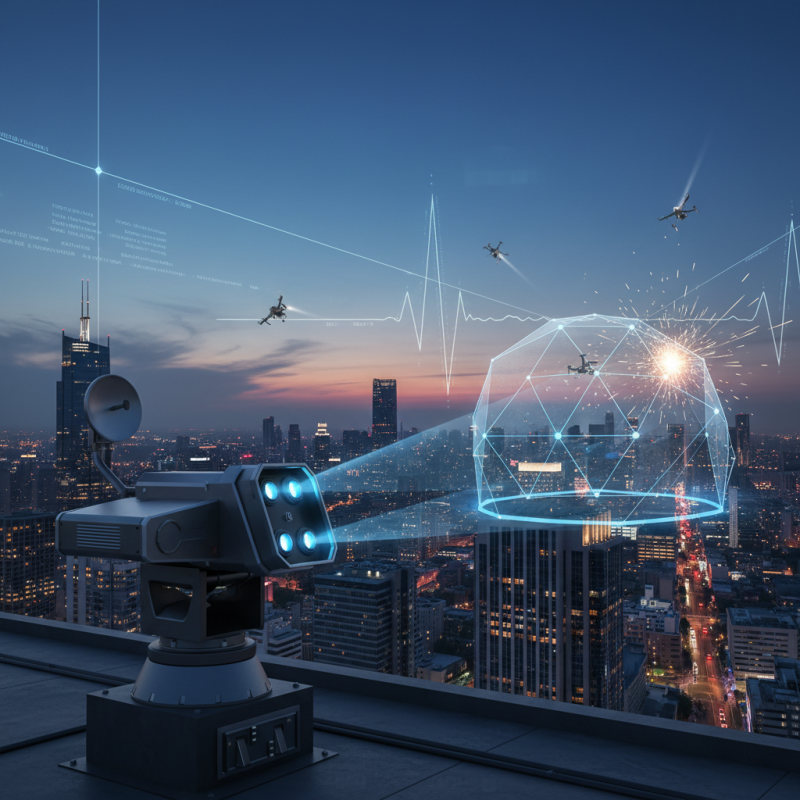
The growing concern over unauthorized drone activity has led to a surge in the development of anti-drone devices. Understanding the different types available is essential for making an informed choice. The primary categories include jamming systems, detection technologies, and physical capture methods. Jamming systems disrupt communication between the drone and its operator. Detection technologies, such as radar and acoustic sensors, identify drones early on. Physical capture methods involve net guns or other mechanisms to safely ground the aircraft.
According to recent industry reports, the global anti-drone market is expected to reach $2.5 billion by 2025. As threats evolve, so does the technology. Jamming devices, while effective, can interfere with essential communications, raising concerns about collateral impacts. Detection systems boast high precision but may require significant investment. The choice often hinges on the specific environment and operational needs. A facility near an airport may need more sophisticated solutions than a rural area.
Many users express uncertainty about which features to prioritize. Factors such as range, response time, and ease of operation must be considered. Professional guidance can be invaluable, yet expertise varies greatly among providers. Users should conduct thorough research to avoid potential pitfalls. Understanding both the capabilities and limitations of each device is crucial for effective deployment.
Evaluating the Effectiveness of Anti-Drone Technologies
As drones become more commonplace, evaluating the effectiveness of anti-drone technologies is crucial. Various options exist, from jamming signals to physical net capture systems. Each technology has unique strengths and weaknesses, making it vital to understand their impact in real-world scenarios.
Signal jamming can disrupt communications between the drone and its operator, but it may not always guarantee a complete takeover. Some drones can autonomously return to their launch point. Physical capture systems require precise targeting. Mistakes can lead to collateral damage or failure to neutralize the threat. Understanding these challenges can guide users in making informed decisions.
Monitoring evolving drone capabilities is essential. Newer models may evade traditional countermeasures. For instance, some drones employ encryption or advanced navigation systems that complicate detection and interception. Regular assessments help in keeping anti-drone technology relevant. Adapting to advancements in drone tech is a continuous journey. Organizations should not overlook their specific operational needs while evaluating options.
Assessing Your Specific Needs and Threat Levels
When considering an anti-drone device, assessing your specific needs and threat levels is crucial. Different environments pose varying risks. For instance, urban areas may have more aerial threats. In contrast, remote locations might encounter fewer unauthorized drones. Identify what your primary concerns are. Is it privacy violation, or perhaps safety at public events? Understanding these aspects will guide your selection process.
Evaluating the threat level can be complex. It’s essential to analyze patterns of drone usage in your vicinity. What type of drones are common? How often do incidents occur? Gathering this information helps create a clearer picture. Some situations may require advanced technologies, while others could benefit from simpler solutions.
Many users make the mistake of overestimating their risks. Investing in the most sophisticated equipment isn't always necessary. Sometimes, basic detection capabilities are sufficient. Consider your budget too. It's easy to fall into the trap of thinking more expensive options are always better. Reflect on the unique aspects of your situation. Make choices that align not just with the potential threats but also with practical use cases.
Budget Considerations When Selecting Anti-Drone Solutions
When considering anti-drone solutions, budget is a crucial element. Prices vary widely depending on the technology and features. Basic models may cost less but could lack essential capabilities. This raises a key issue: what do you really need? Assessing your requirements will guide your spending.
Some users might think that investing less means missing out. This isn’t always true. Many entry-level devices offer decent performance for smaller venues or specific applications. However, they may not provide the reliability needed for critical situations. Evaluate how often you expect to face drone threats. If it's frequent, a more substantial investment may be necessary for advanced systems.
Don't rush into purchasing. Research thoroughly to understand what fits your needs best. It's easy to get lost in brands and fancy features. Focus instead on actual performance reviews. Gather insight from credible sources. Many options might seem appealing, yet functionality often varies. Prepare to reflect on your choices, as overlooking your specific needs may lead to dissatisfaction. Your purchase should align with practical use rather than mere trends.
Legal Implications and Compliance in Anti-Drone Device Usage
When selecting an anti-drone device, legal implications are crucial to consider. Many countries have specific regulations guiding the use of these technologies. For instance, a report by the Drone Security Alliance indicates that 60% of organizations face legal challenges regarding drone mitigation. Users must understand their local laws to ensure compliance and avoid potential penalties.
Using anti-drone devices may infringe on privacy rights. Data from the International Civil Aviation Organization highlights that over 70% of drone incidents involve privacy concerns. Organizations should reflect on their approach to balancing safety and privacy. It’s essential to consult legal experts to navigate these issues effectively.
Tips: Always review your local laws before purchasing anti-drone technology. Document your compliance measures. Continuously assess the impact of your device on surrounding communities. Stakeholder communication can prevent misunderstandings. You must prioritize ethical considerations alongside technological advancements for responsible usage.
Anti-Drone Device Features Comparison
This chart compares various features of different anti-drone devices, including their range, detection time, interference capability, portability, and cost. Understanding these dimensions is crucial for selecting a device that meets specific operational needs while ensuring legal compliance.