How to Choose the Best Solar Panel Connectors for Your Needs?
Choosing the right Solar Panel Connectors is essential for an efficient solar power system. According to Dr. Emily Sanders, a leading expert in renewable energy, “The effectiveness of solar installations relies heavily on the quality of connectors.” Her insight highlights the importance of paying attention to this aspect.
Solar panel connectors come in various types and qualities. Selecting the best option can seem daunting for many. Common choices include MC4 connectors and other specialized types. Each type holds different benefits and drawbacks, depending on the specific application. It’s crucial to consider weather resistance and ease of installation.
Many users overlook these details, leading to potential issues down the line. For instance, low-quality connectors may degrade faster. This can result in decreased efficiency and higher maintenance costs. Investing in reliable solar panel connectors ensures long-term performance and reduces future headaches.
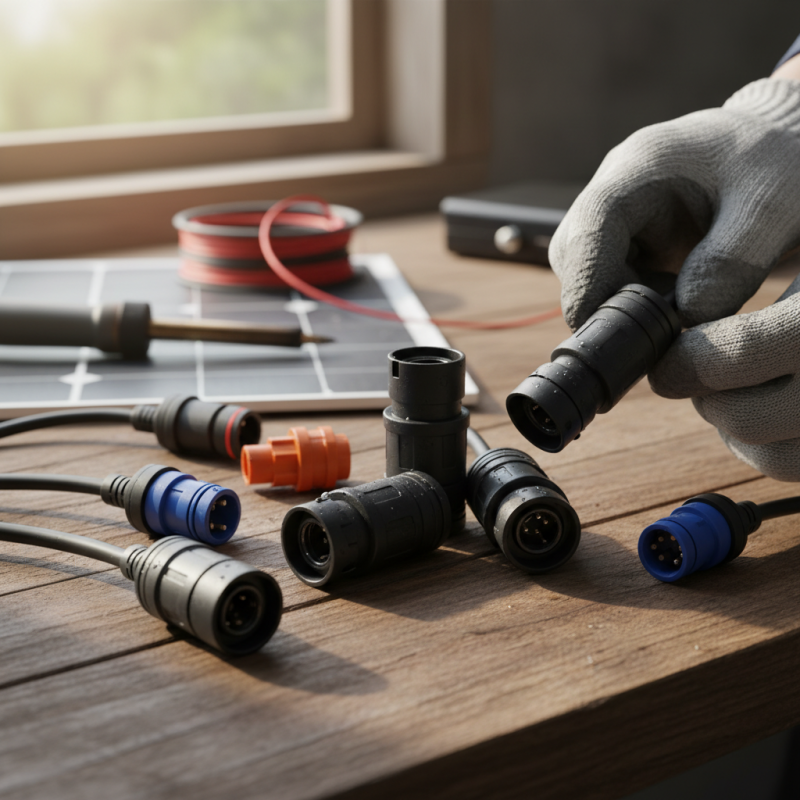
Understanding Different Types of Solar Panel Connectors and Their Uses
When selecting solar panel connectors, it's essential to understand the different types available. MC4 connectors are popular for their reliability. They ensure a secure and waterproof connection, making them an industry standard. These connectors provide ease of use, allowing quick connections and disconnections for maintenance. However, they can be difficult to connect if proper technique is not applied.
Another type is the T4 connector. It’s known for its versatility. T4 connectors offer compatibility with various solar panel systems. They may be easier to handle than MC4 connectors, but users sometimes report issues with securing the connection properly. Loose connections can lead to performance drop.
There are also specialized connectors like the H4 and EPC connectors. H4 connectors allow multi-panel configurations. EPC connectors focus on optimizing energy transfer in large installations. These options come with advantages and disadvantages. Users should consider their specific needs when choosing between them. Each option poses its own set of potential difficulties, highlighting the importance of research and understanding.
Assessing Compatibility of Solar Connectors with Your Solar System
When choosing solar connectors, compatibility with your solar system is crucial. Many systems use MC4 connectors, while others might require different types. Understanding the connector system of your panels and inverters is essential. A mismatch can lead to inefficiencies or even damage to your equipment.
Checking amperage and voltage ratings is vital. Each connector must meet the required specifications of your solar system. Using connectors that cannot handle your system's output may result in overheating. This is a common mistake, often overlooked by beginners.
Don’t forget about environmental factors. The location of your installation might expose connectors to harsh weather conditions. Choosing connectors with adequate weather resistance is essential. Some users might cut corners to save costs. This could compromise long-term performance. Always reflect on the specifics of your project before making a decision. Little details can significantly impact your solar panel system’s efficiency and durability.
Evaluating the Quality and Reliability of Solar Panel Connectors
When selecting solar panel connectors, evaluating their quality and reliability is crucial. High-quality connectors ensure efficient energy transfer and increase the overall system efficiency. Look for connectors made with durable materials, designed to withstand harsh weather. Corrosion-resistant metals and UV-resistant plastics tend to outperform their lower-quality counterparts.
Importance lies in certification as well. Check for connectors that meet relevant industry standards. Testing for tensile strength, temperature tolerance, and moisture resistance can highlight their reliability. Often, connectors that appear sturdy may not perform well under extreme conditions. Real-world testing can reveal weaknesses that standard certifications might miss.
Consider user reviews. These provide firsthand insights into performance over time. A connector might work well initially but fail in the long run. Consistent failure across multiple users may indicate underlying quality issues. Always reflect on the feedback and learn from others' experiences to make informed decisions.
Evaluation of Solar Panel Connector Quality and Reliability
Determining the Best Connector Material for Longevity and Performance
When selecting solar panel connectors, the material choice is crucial for durability and efficiency. High-quality materials like copper and high-grade plastics offer improved longevity compared to cheaper alternatives. According to industry reports, connectors made from these materials can withstand harsh weather conditions. They maintain performance over time, which is vital for maximizing energy output.
Copper connectors are known for their excellent conductivity. They create a minimal resistance path, leading to better overall performance. In contrast, inferior materials can lead to energy loss, potentially affecting the system’s efficiency. Industry trends indicate that many installations now favor connectors engineered for UV resistance. This choice helps ensure that the connectors don’t deteriorate under prolonged sun exposure.
However, selecting the right connector is often overlooked. Installation errors can also occur. Proper handling and installation techniques can mitigate this. Understanding your specific environment is key. Consider factors like temperature fluctuations and moisture levels, which may influence material performance. Making informed choices will contribute significantly to the overall longevity of your solar infrastructure.
Considering Weather Resistance and Durability in Cloudy Environments
When selecting solar panel connectors, weather resistance is crucial. In cloudy environments, connectors face unique challenges. Humidity, rain, and fluctuating temperatures can wear down inferior products quickly. Choosing connectors made from high-quality materials, such as silicone or nylon, enhances durability and prevents deterioration.
It's also vital to consider the IP rating. A higher rating signifies better protection against moisture and dust. Look for connectors that can withstand extreme conditions. They should function well even in unpredictable weather. The right connectors will ensure a reliable solar power system, minimizing potential issues.
Regular maintenance is essential. Over time, even the best connectors may show signs of wear. Inspect them periodically for corrosion or damage. If any issues arise, replacing connectors sooner rather than later can save you from costly repairs. Taking these steps improves longevity and system performance, ensuring consistent energy output in varying climates.