2026 How to Choose Rechargeable Hearing Aid Batteries?
Choosing rechargeable hearing aid batteries can be overwhelming. Many users encounter confusion over types and features. These batteries promise convenience and sustainability. However, not all rechargeable hearing aid batteries are equal in performance.
Understanding capacity and lifespan is crucial. Some batteries may last hours, while others could extend to days. We all value reliability in hearing aids. Yet, some brands might fall short of expectations. Reviewing user feedback is essential for informed decisions.
Additionally, knowing the charging process is vital. Some batteries charge quickly, while others require extended periods. It's also wise to consider wall chargers versus USB options. Evaluating these factors ensures you choose the right option for your needs. In a world where hearing aids are essential, the right battery significantly affects overall experience.
Understanding Rechargeable Hearing Aid Battery Types and Options
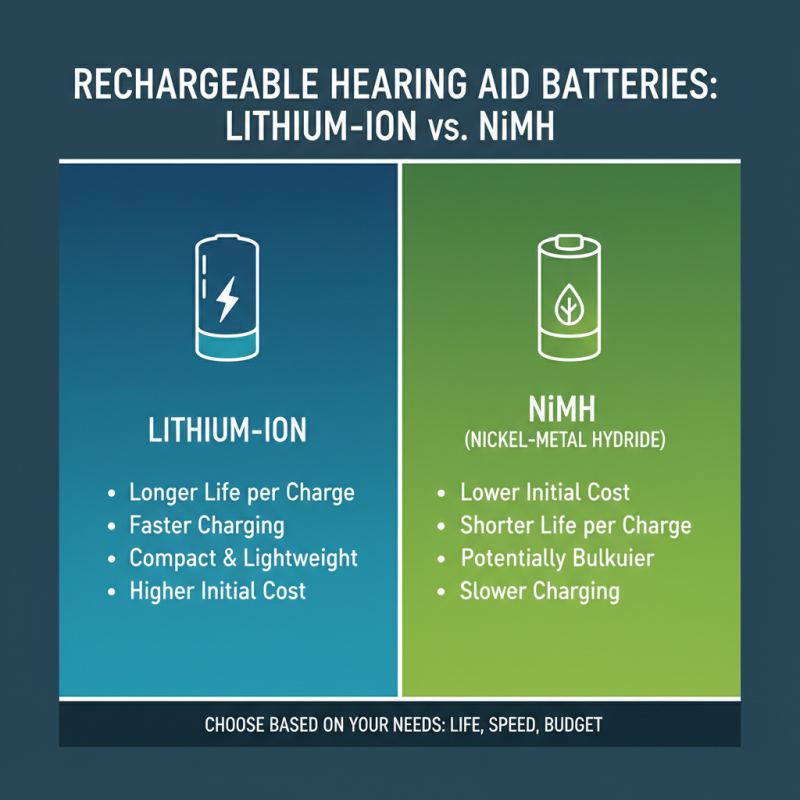
When selecting rechargeable hearing aid batteries, consider the types available. Two main options exist: lithium-ion and nickel-metal hydride (NiMH). Lithium-ion batteries typically offer longer life and faster charging. They are compact and lightweight. NiMH batteries are often less expensive but may not last as long.
Tips: Always check the battery size before purchasing. Ensure it fits your hearing aid model. Many users overlook this detail. Read reviews and do some research on user experiences, as they can shed light on battery longevity and performance.
Battery life can be influenced by usage habits. If you listen to music or have a louder environment, battery drain increases. Charge your batteries overnight for best results. Test their performance regularly. It's a good habit, especially for those dependent on clarity. Remember, improper charging can lead to reduced lifespan.
In conclusion, choosing rechargeable hearing aid batteries requires some reflection. Think about your daily routine and environment. Battery choices affect hearing aid efficiency. Do not rush the decision-making. Prioritize your hearing experience.
Assessing Battery Life and Performance for Hearing Aids
When choosing rechargeable hearing aid batteries, you need to consider battery life and performance. Many users struggle to find the right fit. Battery life varies significantly among different devices. Some may last only a few hours, while others can last several days. Knowing how you use your hearing aids is essential. Do you wear them all day? Or just for a few hours?
The performance of batteries is equally important. A battery that drains quickly may not serve your needs well. Look for indicators of battery health and usability. Some batteries may perform well initially but decline rapidly. You might notice this during long hours of use. Regularly testing your battery’s performance can help you identify potential issues before they become problematic.
Do remember, not all rechargeable batteries are created equal. Pay attention to the charging cycles. Some may need more recharges than others. This can become inconvenient. A reliable battery is crucial for daily activities. Consider your lifestyle needs when making a choice. A little reflection can lead to a better decision.
Comparing Charging Methods for Hearing Aid Batteries
Choosing the right rechargeable hearing aid batteries can significantly enhance your listening experience. When comparing charging methods, you will find different options available, each with unique features. Some hearing aids come with built-in charging docks, while others may use USB chargers.
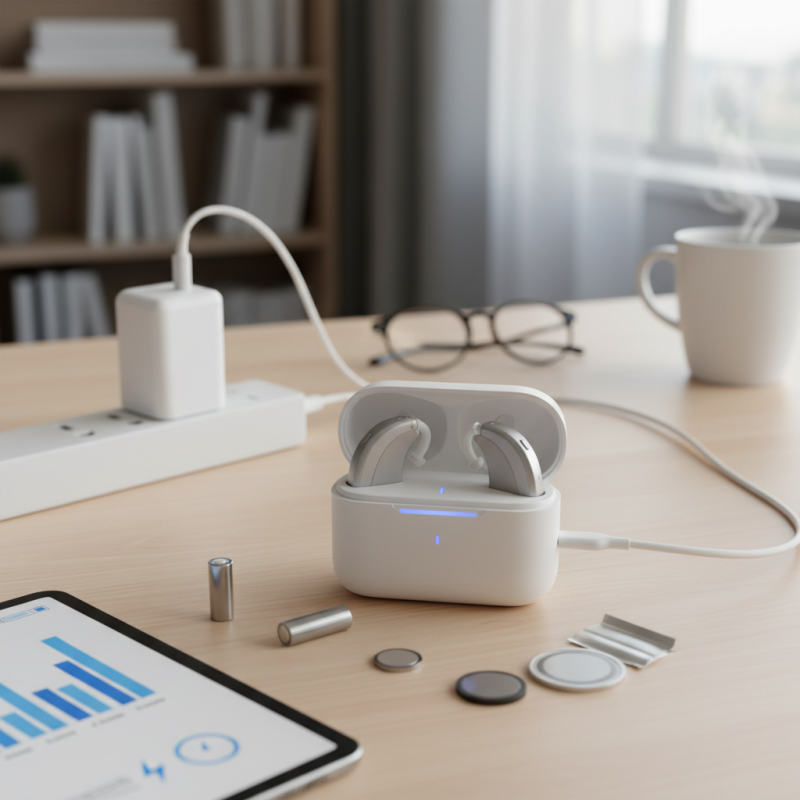
Consider what fits your lifestyle. A hearing aid with a charging dock might be convenient for daily use. You simply place the devices on the dock overnight. However, USB chargers offer flexibility, especially when traveling. You can charge your hearing aids with a portable power bank. This option can sometimes be slower but adds convenience.
**Tips:** Look for a hearing aid with a power indicator. It will help you monitor battery levels easily. Also, remember that charging times can vary widely. Some devices charge in one hour, while others take longer. It's wise to experiment to find the method that best suits your routine. Reflection is essential, too. Not every method will suit everyone, so think about your daily habits. Consider testing different options before settling on one.
Evaluating Cost and Value of Rechargeable Hearing Aid Batteries
When evaluating the cost and value of rechargeable hearing aid batteries, consider several key factors. The initial investment in these batteries can be higher compared to traditional ones. However, the long-term savings often outweigh this initial cost. Rechargeable options can last longer, reducing the frequency of replacements. It’s essential to weigh how often you plan to recharge against potential savings.
Tips: Check the charging time and battery life. A quick charge can make a big difference in convenience. Consider how energy-efficient the batteries are. Some may not last as long under heavy use. Look for user reviews to understand real-world performance.
Another factor is the environmental impact. Rechargeable batteries tend to create less waste than single-use batteries. This can be a significant advantage for eco-conscious users. However, not all rechargeable batteries are created equal. Some may degrade faster, leading to unsatisfactory performance.
Tips: Investigate the warranty options available. A solid warranty may indicate a reliable product. Don’t ignore compatibility with your hearing aids. Some models perform best with specific charging stations. Researching these details can help you make a more informed choice.
2026 How to Choose Rechargeable Hearing Aid Batteries? - Evaluating Cost and Value of Rechargeable Hearing Aid Batteries
| Battery Type |
Capacity (mAh) |
Charge Time (Hours) |
Life Span (Years) |
Approx. Cost ($) |
Value Rating (1-5) |
| Lithium-ion |
300 |
3 |
5 |
150 |
4 |
| Nickel-metal hydride |
250 |
5 |
3 |
100 |
3 |
| Zinc-air |
200 |
2 |
2 |
50 |
2 |
| Lithium polymer |
400 |
4 |
6 |
180 |
5 |
Tips for Maintaining and Extending Battery Life in Hearing Aids
Maintaining and extending the life of rechargeable hearing aid batteries is essential. Many users overlook simple practices. Studies show that regular maintenance can boost battery lifespan by up to 20%. Moisture exposure can harm batteries significantly. Ensure your devices remain dry and clean.
Cleaning the contacts is crucial. A small brush can effectively remove dirt. This simple action can enhance the connection and efficiency of the batteries. Also, consider storing your hearing aids in a cool, dry place. High temperatures can cause batteries to degrade faster.
Many users forget to check the battery status. Regular monitoring helps anticipate replacements. Over time, batteries lose their capacity. This can happen gradually. Using the hearing aids daily also affects battery performance. Understanding these patterns can improve your overall experience.
2026 How to Choose Rechargeable Hearing Aid Batteries?