How to Choose the Right Cable Lugs for Your Applications?
Selecting the right Cable Lugs is crucial for ensuring electrical connections' safety and reliability. The global electrical connectors market is expected to reach $100 billion by 2025, according to a recent report by MarketsandMarkets. This growth highlights the importance of choosing high-quality components. Cable lugs play a vital role in connecting conductors to devices or buses, significantly impacting performance.
In many applications, improper selection can lead to failures. According to IEEE standards, over 30% of electrical failures are due to connection issues. This statistic emphasizes the need for careful consideration when choosing cable lugs. Factors like material, size, and application type must be evaluated to prevent costly downtime.
Cable lugs come in various designs and materials, each suited for different environments. For instance, copper lugs are preferred for their excellent conductivity, while aluminum lugs are lighter and more cost-effective. Choosing the right type ensures optimal transmission efficiency. Understanding these differences can help users avoid potential pitfalls and enhance the longevity of electrical systems.
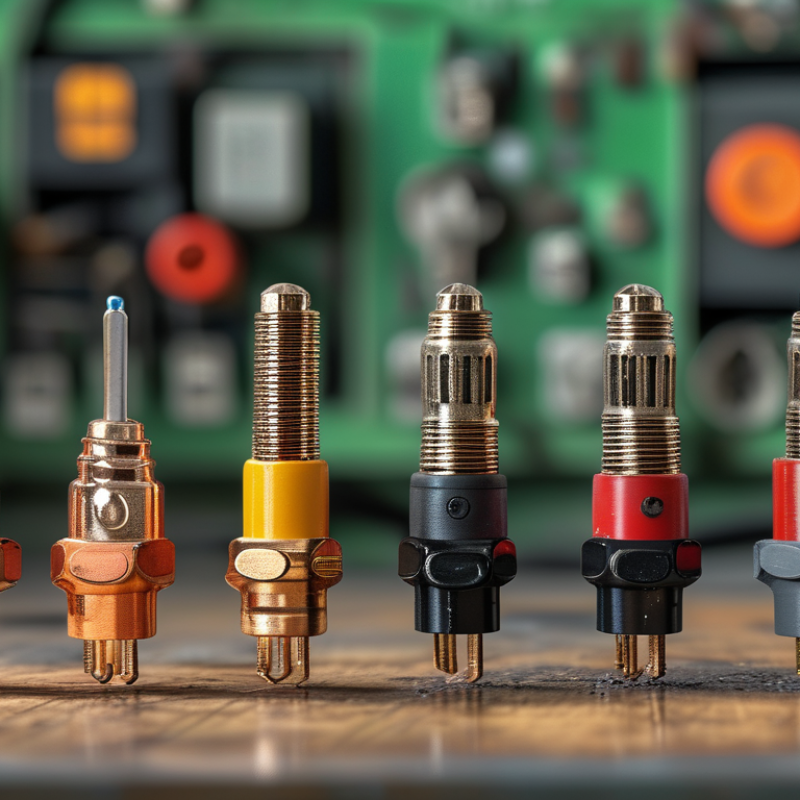
Understanding Cable Lugs: Types and Their Applications in Electrical Systems
Cable lugs play a critical role in electrical systems. Understanding the types available is essential. Each type serves specific applications. Some are designed for heavy-duty use, while others are more suited for lighter tasks. The choice of a lug can significantly impact performance and safety.
There are several types of cable lugs, including crimp lugs, solder lugs, and screw lugs. Crimp lugs are popular for their reliability and ease of installation. They are ideal for high-current applications. Solder lugs, while less common, offer solid connections when done correctly. However, they require a skilled hand to ensure a good bond. Screw lugs are simple but may be less secure under vibration.
Choosing the right lug is not always straightforward. Factors to consider include conductor size, current rating, and environmental conditions. It’s vital to assess the specific needs of your application. Missteps in selection can lead to failures, disrupting operations. Testing different types can also provide insights into their effectiveness. Making informed choices enhances overall system reliability.
Understanding Cable Lugs: Types and Their Applications
Factors to Consider When Choosing Cable Lugs: Material, Size, and Ratings
Choosing the right cable lugs is crucial for reliable electrical connections. The material of the lugs plays a significant role. Copper and aluminum are the primary choices. Copper lugs provide excellent conductivity and durability. However, they may be more expensive. Aluminum lugs can be lighter and cheaper but may require special care to avoid corrosion.
Size is another critical factor. Ensure the lug size matches the cable diameter. A snug fit promotes better connection. A loose connection can lead to overheating and failures. Measure accurately before making a purchase. Additionally, consider the lug rating. This includes voltage and current ratings. A lug must support the specific application it’s used for. Overloading can result in damage and unsafe conditions.
Evaluating these factors requires careful consideration. Some users rush their decisions. It’s essential to balance cost with quality. Conducting thorough research can prevent future issues. Taking the time to choose the right materials, sizes, and ratings is key to successful electrical installations. Always consult resources or professionals if uncertain about choices.
The Importance of Crimping Standards: Ensuring Long-Term Reliability in Connections
When choosing cable lugs, the crimping standards are vital for connection reliability. Poor crimping can lead to failures, resulting in increased downtime and costs. Data from industry reports indicates that improper terminations account for nearly 30% of connection failures. Therefore, adhering to established crimping standards ensures that connections sustain long-term performance.
It's crucial to understand the specific requirements of your application. For example, environmental factors like temperature and moisture can impact the effectiveness of cable lugs. Selecting the right materials based on those factors enhances reliability. Tips for maintaining connection integrity include regular inspections and using proper tools for crimping. Many professionals recommend checking the crimping depth to confirm a secure fit.
Investing in training for proper crimping techniques can significantly reduce errors. Not all operators are aware of the nuances, which can lead to vulnerabilities in systems. Adopting a culture of safety and quality can mitigate risks associated with faulty connections. Ensuring adherence to standardized practices can make a difference in the long run, impacting both safety and costs.
How to Choose the Right Cable Lugs for Your Applications?
| Application | Cable Size (AWG) | Material | Crimping Standard | Temperature Rating | Current Rating (A) |
| Automotive | 16-10 AWG | Copper | DIN 46235 | -40°C to 105°C | 40A |
| Industrial Equipment | 8-6 AWG | Aluminum | UL 486A | -30°C to 90°C | 70A |
| Commercial Lighting | 12-10 AWG | Copper | ISO 9001 | -20°C to 75°C | 30A |
| Marine | 6-4 AWG | Tin-Plated Copper | ASTM B1 | -40°C to 90°C | 50A |
Industry Standards and Certifications for Cable Lugs: IEC, UL, and Others
Choosing the right cable lugs involves adhering to various industry standards and certifications. Two significant regulatory bodies are IEC (International Electrotechnical Commission) and UL (Underwriters Laboratories). IEC sets international safety standards, ensuring products meet mandatory safety requirements. The UL certification, prevalent in North America, verifies electrical and fire safety for cable lugs, enhancing product reliability.
Data from industry studies indicate that using certified cable lugs reduces the risk of electrical failures by up to 30%. This statistic underscores the importance of compliance with recognized standards. While many products may look similar, those without certification can lead to catastrophic failures. It's crucial to ensure that the chosen lugs meet the specific requirements for your application.
Tip: Always check for certification marks when selecting cable lugs. This step could save time and money in future replacements. Ensure that the specifications align with the installation environment. Corrosion resistance, temperature ratings, and mechanical strength are vital factors to consider. Misjudging these could result in expensive downtime.
Choosing the correct type isn't just about the price. Uncertified lugs can compromise safety and performance. Always prioritize quality and compliance over cost savings to ensure durability and reliability in your electrical systems.
Common Mistakes to Avoid When Selecting Cable Lugs for Electrical Projects
When selecting cable lugs for electrical projects, many common mistakes can lead to poor performance. One frequent oversight is choosing the wrong size. If the lug is too small, it can cause overheating and failures. If it's too large, a loose connection may occur. Always check the wire gauge and match it with the lug size.
Another common error is neglecting the material compatibility. Copper and aluminum have different conductivity and thermal properties. Using the wrong material can lead to corrosion and electrical failures over time. Many forget to consider the operating environment. For example, lugs exposed to moisture require additional protection. Always assess the specific conditions of your application.
A crucial mistake is ignoring the voltage rating. Cable lugs need to meet or exceed the system voltage. Failing to do so can compromise safety. Additionally, people often overlook the installation process. Proper crimping or soldering is essential for a reliable connection. Skipping steps can result in loose contacts. These subtle details can significantly impact project success. Each decision should reflect careful thought and knowledge.