How to Choose the Right Hearing Aid Batteries for Your Needs?
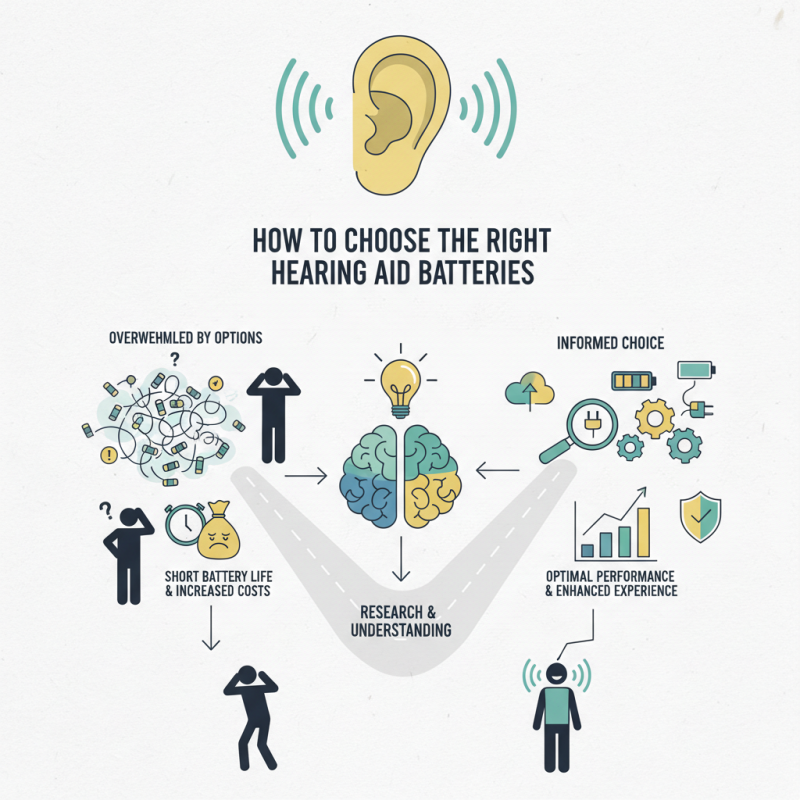
Choosing the right hearing aid batteries is crucial for maintaining optimal hearing. Many users feel overwhelmed by the options available on the market. Hearing aid batteries come in various sizes and types, and understanding these differences is essential. Each model may require specific battery types, which affects overall performance.
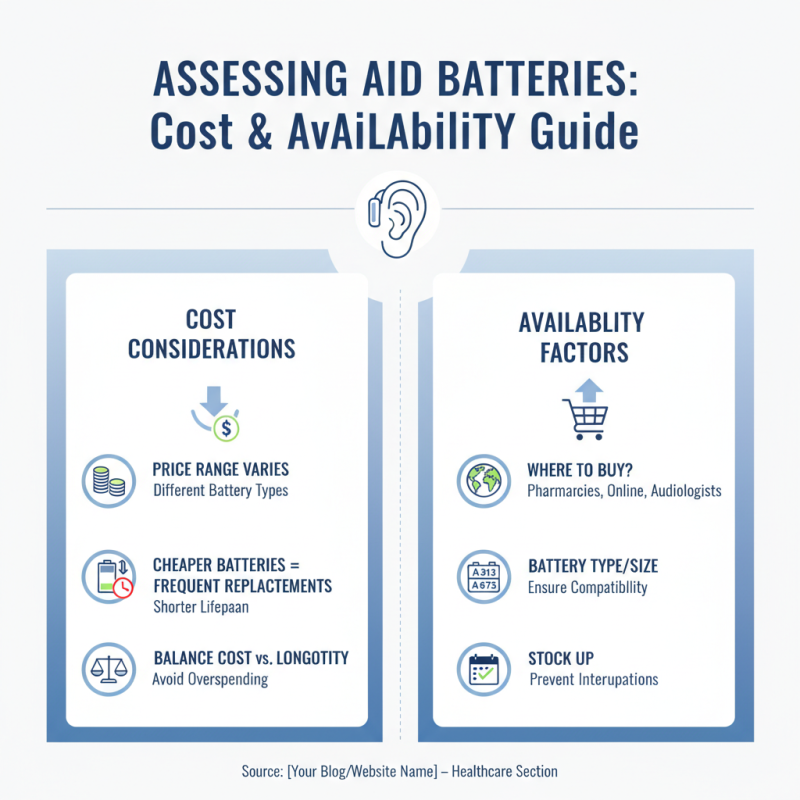
Battery life, efficiency, and compatibility can vary significantly. Users often encounter challenges such as short battery life or poor fit. These issues can detract from the overall hearing experience. Research indicates that a lack of proper knowledge may lead to poor choices. Selecting the wrong batteries can lead to frequent replacements and increased costs.
Many people underestimate the importance of quality batteries in hearing aids. They may rely solely on price rather than performance. This approach can be misleading. Investing time in understanding battery features can enhance your hearing experience significantly. Empowering yourself with the right information will help you make informed decisions about hearing aid batteries.
Understanding Different Types of Hearing Aid Batteries Available
When selecting hearing aid batteries, understanding the available types is crucial. There are two main categories: disposable and rechargeable. Most users prefer disposable batteries due to their immediate usability and availability. According to the Hearing Loss Association of America, about 90% of hearing aids use disposable batteries. The most common sizes are 10, 312, 13, and 675, each designed for specific devices and usage durations.
Rechargeable batteries, on the other hand, have gained traction in recent years. A report from the International Journal of Audiology states that approximately 50% of new hearing aids are now equipped with rechargeable options. These batteries can last up to 24 hours on a single charge, depending on usage. However, they typically have a lifespan of 2-3 years before needing replacement.
It's important to note that not all batteries are universally compatible. Some users express frustration when switching devices or seeking replacements. A survey by the National Institute on Deafness highlighted that 20% of hearing aid users experience difficulties finding the right battery. This uncertainty can impact overall satisfaction. Always check the specifications of your hearing aid to ensure the correct choice of battery.
Battery Life Comparison for Hearing Aids
This chart compares the average battery life of different sizes of hearing aid batteries. Size 675 batteries typically last the longest at around 20 days, while Size 10 batteries have a shorter lifespan of about 3 days.
Evaluating Battery Life and Performance for Your Hearing Needs
Choosing the right hearing aid batteries is crucial for optimal performance. Battery life significantly affects your hearing experience. A study by Hearing Loss Association of America indicates that battery life can vary widely, from 3 to 22 days. This disparity often depends on usage patterns and the type of hearing aid.
When evaluating performance, consider how often you use your devices and in what environments. Heavy users or those in noisy settings may find their batteries depleting faster. Lithium-ion batteries have shown to last longer in many scenarios, sometimes up to a week longer than traditional zinc-air batteries. However, they often require specific chargers and may not be universally compatible.
Realistically, performance may not always meet expectations. Some users find that even high-quality batteries can die unexpectedly. Others may struggle with changing batteries regularly. Monitoring your battery life and adjusting usage can help. Always keep backup batteries on hand to avoid interruptions. Understanding your unique needs is essential for making the right choice.
Considering Compatibility with Your Hearing Aid Model
Choosing the right hearing aid batteries can feel overwhelming. Compatibility with your hearing aid model is essential. Each hearing aid type often requires specific battery sizes and types. Mismatched batteries can lead to poor performance. It's crucial to consult your hearing aid's user manual. This document provides detailed battery specifications.
When selecting batteries, pay attention to the labeling. Various colors and numbers indicate different sizes. If you are unsure, ask a professional. They can give you reliable information. Also, consider battery life. Some types last longer than others. This factor can significantly impact your hearing experience. Regularly check the battery compartment for any signs of corrosion.
Not every battery brand will work well with all devices. You might notice variations in performance. Stay alert for changes in sound quality. Keeping the hearing aid clean is also vital. A clean device can extend battery life and functionality. Always keep track of your battery stock, ensuring you never run out unexpectedly.
Exploring Environmental Impact and Disposal Options for Batteries
Choosing the right hearing aid batteries involves considering various factors, including environmental impact. Hearing aid batteries can affect the environment significantly. Improper disposal leads to toxic substances leaching into soil and water. These substances can harm wildlife and ecosystems. Therefore, understanding disposal options is key.
Many users are unaware of proper battery disposal methods. Simply throwing them in the trash is not an ideal choice. Many communities have designated recycling centers for batteries. These centers can safely handle used batteries. Some manufacturers also provide recycling programs. Participating in these options can help reduce environmental harm.
Though it may seem daunting, it’s important to reflect on our choices. Battery technology is evolving. Rechargeable options may emerge as a more sustainable alternative. Users can explore these options for minimal impact. However, ensuring they are disposed of correctly remains crucial. Our actions today affect the environment tomorrow. Every small step counts in protecting it.