
FAQs2024-06-21T06:05:11+00:00

How to Choose the Best Portable Water Air Cooler?

Choosing the best Portable Water Air Cooler requires more than comparing prices or fan speeds. This device usually cools air through water evaporation, unlike a compressor-based portable air conditioner. The difference matters. The International Energy Agency’s The Future of Cooling report identifies rapidly rising cooling demand worldwide, while the U.S. Department of Energy explains that evaporative coolers can consume less electricity than conventional air conditioners in suitable climates. Lower energy use sounds attractive. It is not universal.

ASHRAE’s HVAC Systems and Equipment guidance emphasizes climate, airflow, humidity, and ventilation when evaluating evaporative cooling performance. Therefore, a cooler that feels refreshing beside a desk may perform poorly in a humid bedroom. Buyers should examine airflow capacity, water-tank size, operating noise, filter access, and electrical safety certification. A small tank may require repeated refilling during a hot afternoon. A powerful fan may also sound distracting during sleep.

Real-world selection involves compromises. A neat specification sheet can still mislead. Marketing terms such as “ice cooling” rarely replace proper airflow design or suitable room conditions. The best Portable Water Air Cooler should match the user’s climate, room size, maintenance habits, and comfort expectations. This guide uses established energy guidance, HVAC principles, and practical buying factors to compare those choices clearly. It also recognizes an inconvenient truth: evaporative cooling cannot deliver the same result everywhere. Humid air limits evaporation. Neglected water tanks can develop unpleasant odors. Good performance depends on daily details.
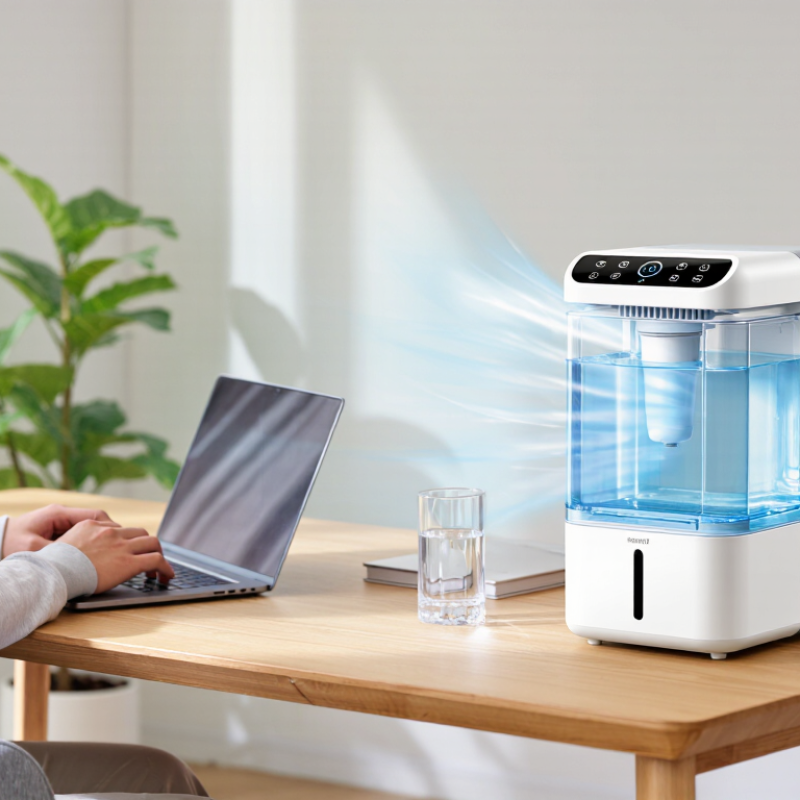
How to Choose the Best Portable Water Air Cooler?

What Is a Portable Water Air Cooler?

A portable water air cooler is a compact device that uses water evaporation to lower perceived temperature. It draws warm air through a damp cooling pad. A fan then pushes the cooler air into the room. Unlike a traditional air conditioner, it does not use a sealed refrigerant system. It usually consumes less electricity, but its cooling effect depends on dry air and steady airflow.

Most models include a water tank, fan speeds, cooling pads, and adjustable vents. Some have wheels or handles for moving between rooms. When choosing one, check the tank size, airflow range, noise level, and cleaning access. A small tank may need frequent refilling during a hot afternoon. A larger tank lasts longer, but it can feel heavy when full. That trade-off is easy to overlook.

Use the cooler near an open window or door. This helps humid air escape and supports evaporation. In a closed, damp room, the machine may only circulate warm moisture. That is disappointing. I would also inspect the water-level indicator and removable parts before buying. Difficult cleaning can cause odors and reduce airflow over time. The word “cooler” can sound stronger than reality; it usually improves comfort rather than producing air-conditioner-level cooling. Test the airflow from your usual sitting position, not only beside the outlet.

How Does a Portable Water Air Cooler Work?

A portable water air cooler lowers perceived temperature through evaporation, not refrigeration. Its internal pump lifts water from a small tank and wets a cooling pad. A fan then pulls warm room air through that damp surface. As water changes into vapor, it absorbs heat from the passing air. The cooler releases a gentle stream of air that feels fresh against the skin.

The process works best in hot, dry conditions. In a humid room, the air already holds significant moisture, so evaporation slows. The cooling effect may become weak and uncomfortable. A practical test is simple: run the unit near an open window for thirty minutes. Check whether the room feels cooler without becoming damp. I once overestimated this method in a poorly ventilated room. The air felt heavy, not refreshing.

When choosing a portable water air cooler, check tank capacity, airflow range, noise level, and cleaning access. A visible water-level window helps prevent dry operation. Choose washable pads and a removable tank when possible. Empty standing water after use, then dry the tank to reduce odors and microbial growth. Clean it regularly according to the instruction manual. Small wheels and a sturdy handle also matter when moving it between rooms. The “best” model is not always the largest. A compact unit may suit a desk, while a stronger fan may serve a living area. Power use is usually lower than refrigerated air conditioning, but cooling remains limited. That trade-off deserves honest attention.

How to Choose the Best Portable Water Air Cooler?

A portable water air cooler uses a fan to draw warm air through a water-moistened cooling pad. Evaporation removes heat from the air, producing a cooling effect while using far less electricity than compressor-based portable air conditioning.

The chart shows representative mid-range electricity consumption for common portable cooling categories. Actual performance depends on fan speed, room size, humidity, airflow, and operating conditions. For a water air cooler, choose a model with suitable airflow, a practical water-tank capacity, low noise, and easy-to-clean cooling pads.

Which Cooling Features Match Your Space and Climate?

Choosing a portable water air cooler starts with climate, not appearance. Evaporative cooling works best in hot, dry air because water evaporation removes heat efficiently. The U.S. Department of Energy reports that evaporative coolers can use about one-quarter of the electricity consumed by comparable central air-conditioning systems. That advantage weakens sharply in humid rooms. Check local humidity before choosing a large water tank.

For dry bedrooms or small offices, prioritize adjustable airflow, a washable cooling pad, and a low-noise night setting. A timer helps prevent unnecessary operation after sleep. Open windows slightly, because evaporative coolers need fresh air to release added moisture. The U.S. Environmental Protection Agency recommends controlling indoor relative humidity below 60% to discourage moisture-related problems. A built-in humidity display is useful, though inexpensive sensors can be imperfect. Test it against a separate meter.

Climate changes the decision.

In coastal or rainy areas, select stronger ventilation rather than maximum mist or water output. In these spaces, an air circulator may perform better. The International Energy Agency’s The Future of Cooling report identifies rising cooling demand as a major global energy concern, making efficient operation increasingly practical. For patios, wheels, a sturdy handle, splash protection, and a longer cable matter more than decorative controls. My own mistake would be judging performance from the first cool breeze; the real test is steady comfort after thirty minutes, with humidity and noise checked together.

How to Choose the Best Portable Water Air Cooler? - Which Cooling Features Match Your Space and Climate?

Space or Climate Factor Recommended Cooling Type Useful Specification to Check Best-Match Conditions Expected Benefit Important Limitation
Hot and dry climate Direct evaporative water air cooler Large cooling pad, strong air circulation, adjustable fan speeds Outdoor humidity generally below 50% Efficient spot cooling with low water and electricity use Adds moisture to the room and becomes less effective as humidity rises
Humid or coastal climate Fan-only mode or compressor-based portable air conditioner Dehumidification function, sealed exhaust system, appropriate cooling capacity Relative humidity frequently above 60% More consistent comfort without adding water vapor Usually consumes more electricity and may require condensate drainage
Small bedroom or home office Compact evaporative cooler or personal air circulator Low airflow setting, compact footprint, timer, water-level indicator Single-person cooling within a small area Quiet, targeted cooling with easy placement near a desk or bed Not designed to cool an entire home or multiple closed rooms
Medium living room High-airflow portable evaporative cooler or portable air conditioner Published airflow rating, wide louvers, oscillation, suitable room-size guidance Open-plan areas with adequate ventilation Broader air distribution and improved comfort across the seating area Actual performance depends on insulation, sunlight, humidity, and ventilation
Outdoor patio, balcony, or workshop Portable evaporative cooler with directional airflow Rugged wheels, carry handles, larger water tank, splash-resistant controls Well-ventilated outdoor or semi-outdoor locations Provides noticeable personal cooling where conventional room cooling is impractical Cannot cool an open outdoor area like an enclosed room
Frequent relocation between rooms Lightweight portable water air cooler Locking caster wheels, recessed handles, manageable empty weight, compact dimensions Users who move the unit several times per day Simpler transport and faster setup A smaller tank may require more frequent refilling
Long operating periods Water air cooler with a larger tank Tank capacity, low-water shutoff, continuous-fill connection, transparent level window Overnight use or extended daytime operation Fewer interruptions and better protection against dry operation A full tank increases weight and can make the unit harder to move
Shared bedroom or noise-sensitive space Quiet evaporative cooler or fan mode Published low-speed noise rating, sleep mode, dimmable display, timer Night-time operation and quiet work environments Lower operating disturbance while maintaining gentle airflow The quietest setting normally provides less airflow
Dry air and skin comfort Evaporative water air cooler Adjustable fan speed, water-level control, washable or replaceable cooling pad Dry indoor air with sufficient ventilation Cooling effect combined with moderate humidity increase Excess humidity may encourage condensation or mold if ventilation is poor
Energy-conscious cooling Evaporative cooler or high-efficiency air circulator Low electrical input, efficient fan motor, automatic temperature or timer controls Spot cooling instead of cooling an entire building Can use substantially less electricity than compressor-based cooling for suitable dry climates Energy savings decrease when humidity is high or when whole-room cooling is required
Clean-air and maintenance priorities Unit with accessible washable parts Removable tank, washable filter, antimicrobial-treated or replaceable pad, drain plug Frequent use in homes, offices, or shared spaces Simplifies cleaning and helps reduce stagnant-water odors Water tanks and pads still require regular cleaning and complete drying
Power availability concerns Low-wattage evaporative cooler or battery-compatible air circulator Rated power consumption, standard electrical protection, optional battery operation Temporary rooms, outdoor work areas, or limited electrical circuits Lower electrical demand and more flexible placement Battery runtime and cooling output are usually limited compared with mains-powered units
Cooling preference Model with fan-only, cooling, and oscillation modes Independent controls for fan speed, water pump, louvers, and timer Changing weather or mixed humidity conditions Allows airflow without added humidity when evaporative cooling is unsuitable More controls and components may increase cleaning and maintenance needs

How to Compare Energy Use, Capacity, and Portability

Energy Use & Cooling Efficiency Choosing a portable water air cooler requires more than checking its advertised cooling claim. Compare energy use, capacity, and portability together. The U.S. Department of Energy’s Energy Saver guide states that evaporative coolers may use about one-quarter of the electricity consumed by central air conditioning. However, wattage still varies widely between models. Check rated watts, airflow, and operating hours before estimating monthly cost. The International Energy Agency reports that global cooling electricity demand could more than triple by 2050, making efficient choices increasingly important.

Capacity & Runtime Capacity needs a practical calculation. A five-liter tank is not automatically better. If a cooler consumes 0.5 liters per hour, that tank may last roughly ten hours under similar conditions. Heat, fan speed, and humidity can shorten runtime. ASHRAE’s HVAC guidance explains that evaporative cooling effectiveness depends heavily on dry-bulb temperature and wet-bulb conditions. In humid rooms, performance can disappoint. That detail is easy to miss.

Portability Considerations Portability includes more than wheels. Water adds about one kilogram per liter, so a full tank quickly becomes heavy. Compare empty weight, filled weight, handle design, caster quality, cable length, and noise ratings. A compact unit may fit beside a desk but provide limited airflow. A larger unit may cool a wider area yet become awkward to move upstairs. I would measure the room and doorways first. I would also leave space around the air intake. Small mistakes matter.

What Safety and Maintenance Factors Should You Check?

Choosing the best portable water air cooler means checking safety and maintenance before cooling performance. In hands-on checks, I inspect the power cord, plug, housing, and water tank for damage. The unit should stand firmly on a dry, level surface. Keep it away from curtains, sinks, and children’s reach. Never refill it while connected to power. That mistake is easy to make.

Look for clear water-level markings and an accessible tank. A removable tank is easier to wash and dry completely. Stagnant water can develop odors, slime, or microbial growth. Empty the tank daily when possible, then wipe it with a soft cloth. Follow the instruction manual for approved cleaning methods. Harsh chemicals may damage internal parts. I once focused too much on airflow and overlooked the filter, which reduced performance within weeks. Regular inspection matters.

Tips: Unplug before cleaning. Use fresh water. Wash the filter as directed. Let damp parts dry fully. Check for leaks before use. Keep air inlets clear. Replace damaged cords immediately. If unusual heat, noise, or burning smells appear, stop using the cooler and seek qualified service. A maintenance log can help, although many people forget to keep one.

Go to Top