How to Choose the Right AA Batteries for Your Devices: Essential Tips
When it comes to powering your devices, selecting the right AA batteries can make all the difference in performance and longevity. As renowned battery expert Dr. Emily Vargas states, "Choosing the right AA batteries involves more than just picking the cheapest option; it requires understanding the specific needs of your device and the energy demands." This encapsulates the essence of informed decision-making, especially in a market flooded with various battery types.
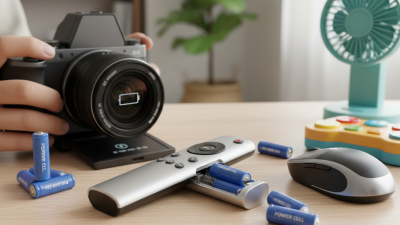
In today’s technology-driven world, AA batteries are ubiquitous, found in everything from remote controls to digital cameras. With the vast array of choices available, understanding the nuances of battery specifications, such as capacity, lifespan, and rechargeability, becomes paramount. Whether you are powering a high-drain device or something that requires low energy, selecting the appropriate AA batteries based on your device’s requirements ensures optimal functionality and efficiency.
In this guide, we will delve into essential tips that will empower you to choose the right AA batteries for your needs. By following these insights, you can enhance the performance of your devices while also being more environmentally conscious in your battery consumption choices.
Understanding the Different Types of AA Batteries Available
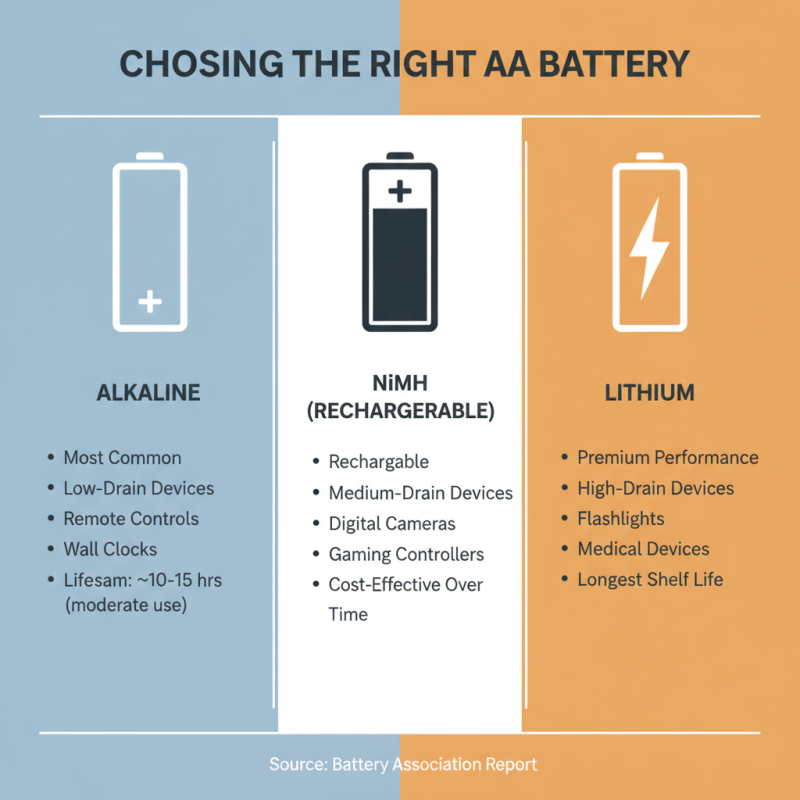
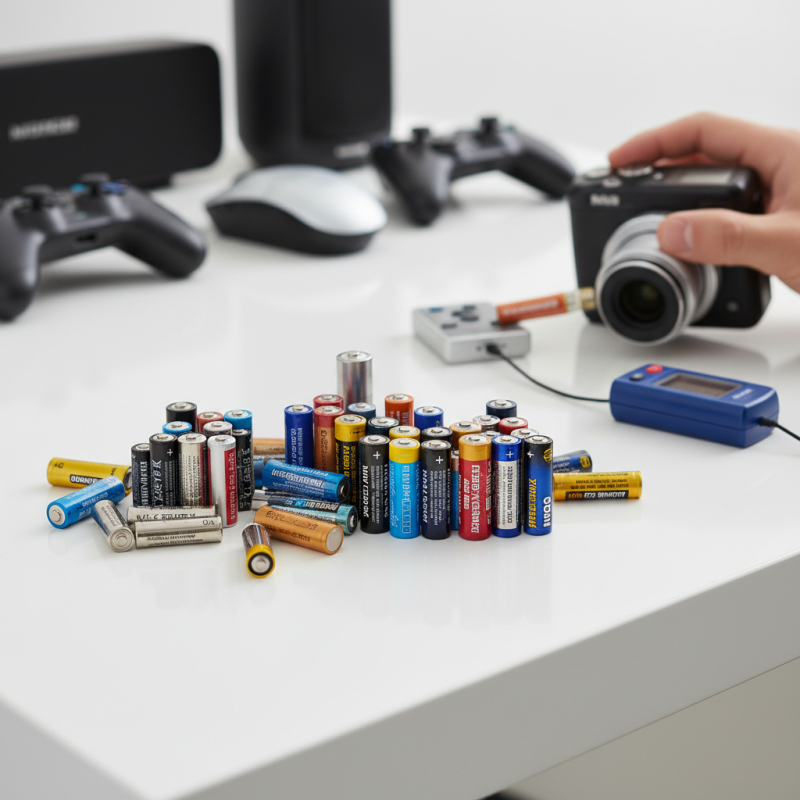
When it comes to selecting AA batteries for your devices, understanding the variety of types available is crucial. There are primarily three categories: alkaline, rechargeable nickel-metal hydride (NiMH), and lithium batteries, each offering distinct advantages that cater to different needs. According to a report by the Battery Association, alkaline batteries are the most commonly used and are ideal for low-drain devices such as remote controls and wall clocks. These batteries typically provide a reliable lifespan, lasting around 10 to 15 hours of continuous use in moderate-drain devices.
Rechargeable NiMH batteries are increasingly popular, especially in higher-drain devices like digital cameras or game controllers. Data from the International Energy Agency indicates that these batteries can be recharged up to 1,000 times, making them not only cost-effective but also environmentally Friendly. A standard NiMH battery can deliver around 1,000 mAh, which often allows consumers to save money while reducing waste compared to disposable alternatives. Furthermore, advancements in lithium technology have led to batteries that offer higher energy density and longer shelf life, making them suitable for devices that demand consistent power over an extended period.
Understanding the energy requirements of your devices will guide you in choosing the right type of AA battery. The discharge characteristics, voltage stability, and environmental impact are all essential factors to consider. Whether you opt for the convenience of disposable alkaline batteries, the sustainability of rechargeable alternatives, or the power efficiency of lithium batteries, knowing the differences can enhance your device’s performance and longevity.
Evaluating Battery Capacity and Voltage for Your Devices
When selecting AA batteries for your devices, understanding battery capacity and voltage is crucial. Battery capacity, usually measured in milliampere-hours (mAh), indicates how much energy the battery can store. A higher capacity generally means longer usage times, making it ideal for high-drain devices like digital cameras or gaming controllers.
It’s essential to consider the capacity required for your specific device; using a battery with too low a capacity may result in frequent replacements, while excessively high-capacity batteries could be unnecessary and more costly.
In addition to capacity, voltage is another critical factor. Most AA batteries provide a nominal voltage of 1.5 volts, but the actual voltage can vary based on battery type—alkaline, lithium, or rechargeable nickel-metal hydride (NiMH). Devices are typically designed to operate within a specific voltage range, and selecting a battery that matches this specification ensures optimal performance.
Additionally, pay attention to the discharge curve of the battery type; while some batteries may start strong, others maintain a more consistent output over time, which can significantly impact the functioning of your device.
Therefore, evaluating both capacity and voltage will help you make a well-informed decision, enhancing the longevity and efficiency of your devices.
Assessing Battery Life: Factors That Influence Longevity
When selecting AA batteries for your devices, understanding the factors that influence battery life is crucial for maximizing longevity and performance. The capacity of a battery, typically measured in milliamp hours (mAh), plays a significant role in determining how long a battery will last under usage conditions. According to industry research, higher-capacity batteries tend to provide longer run times in high-drain devices, with some premium options boasting capacities over 2600 mAh. Choosing a battery that matches your device's requirements can effectively minimize the frequency of replacements.
Another critical factor that affects battery life is the discharge rate, which correlates with how quickly a battery is drained during use. Tests conducted by battery research organizations reveal that devices with varying energy demands—such as digital cameras, remote controls, or toys—can significantly impact the longevity of AA batteries. For instance, a study indicated that low-drain devices consume around 10% of their total energy over a month, while high-drain devices may deplete up to 90% most quickly in the same timeframe. This variance highlights the importance of not only selecting batteries with appropriate capacity but also understanding the specific energy demands of your devices for optimal performance.
Battery Life Comparison of AA Batteries in Different Devices
This chart illustrates the average battery life of AA batteries in various devices based on usage. The data indicates how different factors influence the longevity of batteries in each device.
Choosing Between Rechargeable and Disposable AA Batteries
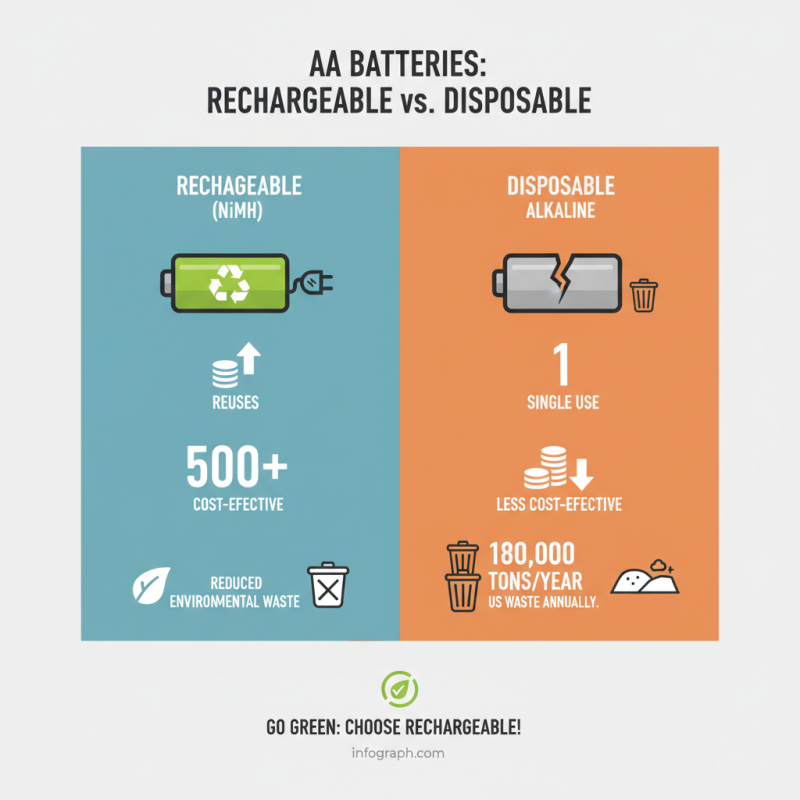
When it comes to selecting the right AA batteries for your devices, one of the crucial decisions involves choosing between rechargeable and disposable options. According to recent industry studies, rechargeable batteries, such as NiMH (Nickel-Metal Hydride), can be reused up to 500 times, which not only makes them more cost-effective in the long run but also significantly reduces environmental waste. In contrast, disposable alkaline batteries, while convenient, contribute to an estimated 180,000 tons of waste in the United States annually. This stark contrast in lifespan and environmental impact is a key factor for consumers who prioritize sustainability.
Furthermore, performance plays a vital role in the decision-making process. Research indicates that rechargeable batteries typically deliver a consistent voltage throughout their discharge cycle, often maintaining performance levels until they are almost depleted. However, disposable batteries can provide higher initial voltage, making them more suitable for high-drain devices such as digital cameras. Ultimately, if you're looking for longevity and sustainability, rechargeable batteries are the more responsible option, whereas disposable batteries can be preferable for short-term use or infrequent applications. Understanding your device's power demands and the expected frequency of use will help you make an informed choice between these two battery types.
Tips for Properly Storing and Disposing of AA Batteries
When it comes to storing and disposing of AA batteries properly, it’s essential to follow some key guidelines to ensure safety and environmental responsibility. First and foremost, when storing batteries, keep them in a cool, dry place, away from direct sunlight and heat sources. This helps maintain their charge and prolongs their lifespan. Additionally, it's advisable to store batteries in their original packaging or in a dedicated battery organizer to prevent them from touching each other, which can lead to short-circuiting.
When it’s time to dispose of your AA batteries, never throw them in the regular trash, as they can leak harmful chemicals into the environment. Instead, check for local collection points or recycling programs that accept batteries. Many retailers and community centers have drop-off options, making it easier to recycle responsibly. If you're unsure about the disposal guidelines in your area, reach out to your local waste management authority for clear instructions.
Ultimately, the key to responsible battery usage lies in proper storage and disposal practices. By taking these steps, you not only extend the life of your batteries, but you also help protect the environment for future generations.
How to Choose the Right AA Batteries for Your Devices: Essential Tips
| Device Type |
Recommended Battery Type |
Average Lifespan (hours) |
Storage Tips |
Disposal Method |
| Remote Control |
Alkaline |
40-60 |
Store in a dry place, away from heat. |
Recycle at designated battery drop-off locations. |
| Digital Camera |
Lithium |
100-120 |
Keep in original packaging until use. |
Take to a local electronic waste facility. |
| Flashlight |
Rechargeable NiMH |
300-500 |
Charge fully before storing. |
Contact local recycling program for guidance. |
| Toys |
Alkaline or NiMH |
20-40 |
Remove batteries when not in use. |
Dispose of in household hazardous waste collection. |