What Is an Electrical Track Socket and How Does It Work?
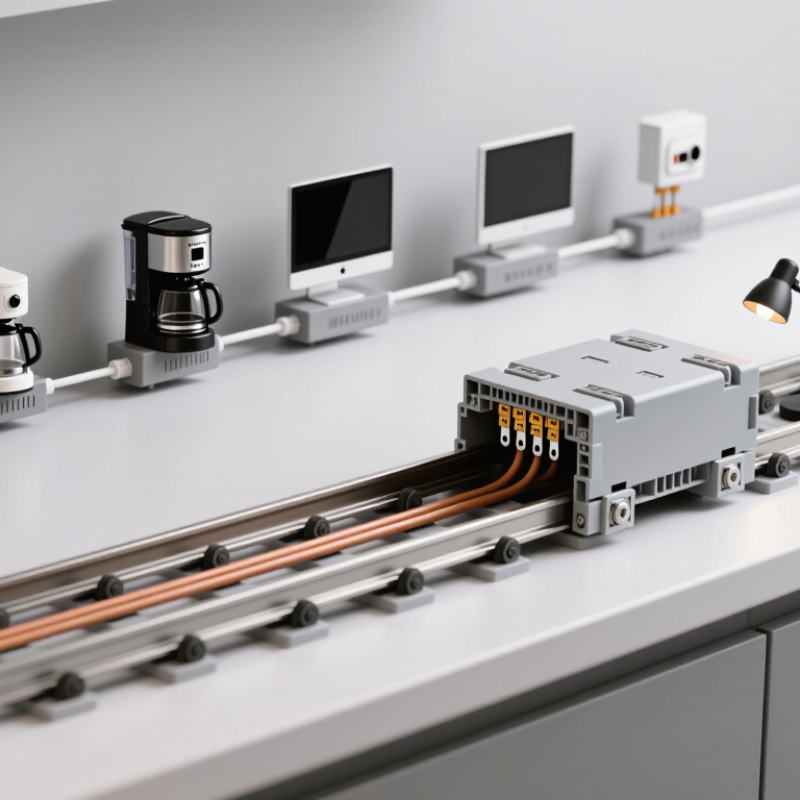
An Electrical Track Socket is a modular power outlet that moves along an electrified track. Unlike a fixed wall socket, it can be repositioned without changing the entire wiring layout. This design suits kitchens, offices, workshops, and display areas where equipment locations may change. The track usually contains insulated conductors hidden inside a protective channel. A compatible socket adapter connects with these conductors and supplies power through internal contacts.
The working principle is simple, but safe installation requires careful attention. When the adapter locks onto the track, metal contacts meet the live, neutral, and grounding paths. Power then travels through the adapter to the connected appliance. Many systems include shutters, covers, or locking mechanisms to reduce accidental contact. Product ratings still matter. Voltage, current capacity, grounding design, and adapter compatibility should match the manufacturer’s specifications. Never assume every track accepts every socket.
Details matter.
In practical inspections, loose fittings, damaged insulation, overheating marks, and unusual buzzing deserve immediate attention. A qualified electrician should verify the circuit before installation or repair. Standards and connector designs vary between regions, so technical documents remain more reliable than appearance alone. It is tempting to view a track socket as a flexible extension cord, but that comparison is incomplete. Its safety depends on the complete system, including the rail, adapters, wiring, and protective devices. The concept is convenient, though not automatically safer. Understanding how each part works helps users choose suitable equipment and avoid preventable electrical risks.
What Is an Electrical Track Socket?
What Is an Electrical Track Socket and How Does It Work?
An electrical track socket is a movable power outlet designed to fit into an electrified ceiling or wall track. Unlike a fixed wall socket, it can slide along the track and serve different areas. The socket usually includes an adapter, contact points, and a protective housing. When the adapter locks into the track, metal contacts connect with internal conductors and transfer electricity to the outlet.
It is modular. A desk lamp, display light, or small appliance can then receive power without installing another wall outlet. In a room, this may reduce visible cables and make furniture changes easier. However, track systems are not always compatible. Their connector shapes, voltage ratings, grounding methods, and load limits can differ. A socket that fits physically may still be electrically unsuitable.
From practical inspection, the locking mechanism should feel firm, not loose or forced. The housing should show no cracks, exposed metal, or heat discoloration. Always check the manufacturer’s technical specifications and the circuit rating before use. Installation or wiring changes should be handled by a qualified electrician, especially in damp locations or older buildings. A small mistake can create overheating or shock hazards. One detail is easy to overlook: a movable socket may encourage users to connect more equipment than the track can safely support.
What Are the Main Components of a Track Socket?
An electrical track socket is the small interface between a lighting fixture and an energized track. Its main body usually contains a molded insulating housing, spring-loaded contacts, and a locking mechanism. The housing keeps live conductors separated. The contacts transfer electricity from the track’s copper or aluminum conductors to the fixture. IEC 60570 specifies safety requirements for track systems, including insulation, mechanical strength, and contact protection.
The track itself is typically an extruded metal channel. Inside, insulated conductors run along dedicated grooves. A socket adapter slides into these grooves and twists or locks into place. This action aligns the electrical contacts and supports the fixture’s weight. Some designs include separate circuits, allowing different fixtures to switch independently. Small parts matter here. A weak latch can cause movement, noise, or poor contact.
End caps close exposed track ends, while connectors join straight sections, corners, or suspended sections. Mounting clips and screws hold the channel against a ceiling or suspension wire. Manufacturers also use strain relief to reduce cable stress near the socket. The U.S. Department of Energy reports that lighting represents about 15% of global electricity use, making reliable connections important for efficiency and safety. Yet installation quality is often underestimated. Even a well-designed socket can perform poorly when conductors are misaligned, insulation is damaged, or the fixture exceeds its rated load.
How Does an Electrical Track Socket Work?
What Is an Electrical Track Socket and How Does It Work?
An electrical track socket is a movable connection point mounted on an energized track. It can supply power to a lamp, pendant, or other compatible fixture. The track contains separated conductors, usually for live, neutral, and grounding connections. When the socket adapter slides into position, its contacts meet the conductors inside the track. A locking turn holds it securely and completes the circuit.
Power then travels through the adapter and into the connected fixture. The wall switch controls the circuit, while some systems also support dimming. Track designs differ, so not every socket fits every track. That detail is easy to overlook. A loose adapter may flicker, heat up, or disconnect unexpectedly. Installation should be performed with the power switched off, and a qualified electrician should verify wiring, load limits, and grounding. Real-world testing also matters because mechanical fit can feel secure before electrical contact is reliable.
Tips: Check the socket’s voltage and maximum wattage before use. Match the adapter with the track’s conductor layout. Keep contacts clean and dry. Do not force a stiff locking mechanism. After installation, inspect for warmth, buzzing, or visible damage. If any sign appears, stop using the socket and arrange a professional inspection. Some older tracks look compatible but use different electrical arrangements. Small differences matter.
How Can an Electrical Track Socket Be Installed and Used Safely?
An electrical track socket is a movable power outlet mounted on an energized track. It can slide along the track, allowing appliances or lamps to connect without new wall outlets. Internal contacts transfer electricity from the track to the socket. However, tracks are not automatically interchangeable. Their voltage, current rating, grounding method, and socket design must match.
Safe installation begins with switching off the correct circuit breaker. Verify that the track is dead with a properly rated voltage tester. Do not guess. Inspect the track, conductors, mounting surface, and socket body for cracks, moisture, or loose parts. Follow the installation instructions and local electrical requirements. The track must be firmly fixed, level, and connected to protective earth where required. A qualified electrician should handle permanent wiring, especially in older buildings or unfamiliar systems.
After installation, lock the socket into its intended position before connecting equipment. Keep hands dry, and never move the socket while it is under load. Check the total wattage of connected devices against the track rating. A loose fit, buzzing sound, unusual heat, or burning smell requires immediate disconnection and inspection. It looks simple. Yet small contact errors can create serious hazards. Periodic checks are worthwhile, although they are often forgotten. Use only compatible accessories, and never force a socket onto a track that does not fit naturally.