What is an Evaporative Air Cooler and How Does It Work?
Evaporative Air Coolers are gaining recognition in the HVAC industry for their eco-friendly cooling solutions. According to a recent report by the American Society of Heating, Refrigerating and Air-Conditioning Engineers, the use of evaporative cooling can reduce energy consumption by up to 75% compared to traditional air conditioning systems. This significant reduction makes them an appealing choice for environmentally-conscious consumers.
Dr. Jane Patterson, a renowned expert in thermal technologies, states, "Evaporative Air Coolers not only offer energy savings but also improve indoor air quality." This highlights the dual benefits of such systems, as they utilize the natural process of evaporation to cool air. However, these coolers may not be effective in extremely humid conditions, which presents a limitation in their application.
As the demand for sustainable cooling solutions rises, it’s important to critically assess the performance of Evaporative Air Coolers in various climates. While their efficiency shines in dry areas, the potential for cooling effectiveness diminishes elsewhere. Continued research and development are necessary to optimize their performance, ensuring that they meet cooling demands across diverse environments.
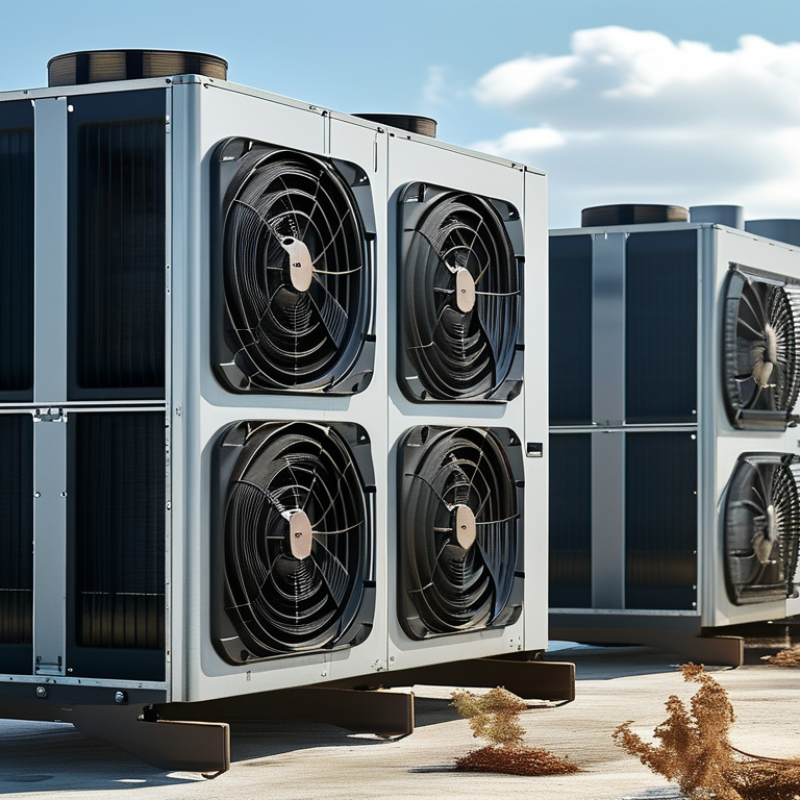
What is an Evaporative Air Cooler?
Evaporative air coolers, also known as swamp coolers, utilize the natural process of evaporation to cool air. The mechanism is simple: warm air passes through water-saturated pads, causing the moisture to evaporate. This evaporation absorbs heat, resulting in cooler air being circulated into the environment. Recent industry reports show that evaporative coolers can reduce temperatures by up to 20°F, making them a cost-effective solution for sweltering conditions.
These devices are particularly effective in dry climates, where humidity levels are low. In such areas, increased evaporation rates lead to significant cooling benefits. A report from the U.S. Department of Energy indicates that evaporative coolers consume 75% less energy than traditional air conditioning systems. This efficiency translates to lower utility bills and reduced environmental impact.
However, effectiveness can vary based on environmental conditions. High humidity levels can hinder the performance of evaporative coolers. In some instances, their reliance on water may lead to concerns regarding water quality and maintenance. Users must regularly clean the pads and ensure optimal water usage to prevent issues. Acknowledging these factors can enhance the overall functionality and lifespan of evaporative air coolers.
Principles of Evaporative Cooling Mechanism
Evaporative air coolers operate on a simple yet effective principle: the cooling effect of evaporation. When warm air passes through moist pads, water evaporates. This process absorbs heat from the air, leading to cooler air being released. It’s an efficient method, especially in dry climates where humidity levels are low.
The essential components of these coolers include a water reservoir and a fan. The fan draws warm air into the unit, which then flows over the wet pads. The moisture evaporates, and the cooled air is blown back into the room. This mechanism not only lowers the temperature but also adds humidity to the air, which can improve comfort levels.
**Tips:** For optimal performance, keep the water pad clean and replace it regularly. Avoid using the cooler in high humidity conditions, as it may not work effectively. Ensure proper ventilation in the room to enhance air circulation and cooling efficiency.
Evaporative Cooling Efficiency Across Different Temperatures
Components of an Evaporative Air Cooler
An evaporative air cooler is a cost-effective climate control solution. It works by the natural process of evaporation. The main components include a water reservoir, a fan, and moist pads. These elements work together to lower the air temperature. When warm air is drawn through the wet pads, moisture evaporates, cooling the air that circulates into the space.
The water reservoir is vital for effective cooling. It stores water that saturates the pads. The fan then blows air over these pads. According to the U.S. Department of Energy, evaporative coolers can be 75% more energy-efficient than traditional air conditioning units. This can lead to significant savings on energy bills.
Tips: Ensure the water reservoir is regularly checked. This maintains optimal performance during hot months. Consider placing the unit in a well-ventilated area to improve airflow. Regularly cleaning the pads and checking for water quality can enhance efficiency. An overlooked aspect can lead to a drop in cooling capacity or even health issues. Regular maintenance is essential.
Benefits of Using an Evaporative Air Cooler
Evaporative air coolers, also known as swamp coolers, offer several advantages for cooling indoor spaces. They use water evaporating into the air to cool the environment. This method is energy-efficient and environmentally friendly. A significant benefit is their lower energy consumption compared to traditional air conditioning systems. An evaporative cooler can reduce energy bills, which is appealing for budget-conscious households.
In dry climates, these coolers excel in performance. They can lower temperatures effectively, enhancing indoor comfort. Unlike central AC units, they add humidity to the air, which can be beneficial in arid regions. The natural cooling system can be particularly useful during hot summer months. While evaporative coolers may not deliver the same level of cooling in humid areas, their advantages in suitable climates are notable.
However, maintenance is essential. Regular cleaning of the water pads and ensuring water supply is crucial for optimal functioning. Users may face challenges if the cooler is not adequately maintained. It's vital to weigh these factors when considering an evaporative air cooler. Their efficiency and cost-effectiveness make them a great choice, but potential issues should not be overlooked.
Considerations for Proper Use and Maintenance
Evaporative air coolers are efficient devices for climate control. Proper use and maintenance are crucial for optimal performance. The first step is to place your cooler in a well-ventilated area. Ensure that it has an unobstructed airflow to function effectively. Avoid placing it directly against walls or other barriers. This will help in maximizing cooling capabilities.
Regular maintenance plays a significant role in the efficiency of your evaporative cooler. Check the water level frequently to avoid damaging the pump. Cleaning the water tank and pads should be done routinely. This prevents mold and mildew buildup, which can affect air quality. If the unit doesn’t cool well, it might require a deeper clean or pad replacement.
While evaporative air coolers require minimal energy, user habits can hinder performance. For example, running the unit in high humidity can reduce its efficiency. Be mindful of the environment in which you operate it. Learning from past experiences can lead to better cooling practices. Regularly evaluating your setup ensures a comfortable indoor atmosphere.
What is an Evaporative Air Cooler and How Does It Work? - Considerations for Proper Use and Maintenance
| Feature | Description | Maintenance Tips | Efficiency |
| Cooling Mechanism | Uses the evaporation of water to cool the air. | Regularly check and replace the cooling pads. | Can reduce temperature by up to 20°F in low-humidity conditions. |
| Energy Consumption | Low energy consumption compared to traditional AC units. | Clean the water tank to prevent algae growth. | Uses around 15-25% of the energy of a conventional air conditioner. |
| Humidity Levels | Works best in dry climates where humidity is below 50%. | Monitor local humidity levels to determine effectiveness. | Less effective in high-humidity environments. |
| Mobility | Many models are portable and can be easily moved between rooms. | Ensure caster wheels are functioning for easy transport. | Ideal for outdoor and indoor settings where portability is needed. |