The Ultimate Guide to the Strongest AA Batteries for Your Devices
In today’s technology-driven world, the importance of reliable power sources cannot be overstated. Whether it's for household devices, remote controls, or portable gadgets, having access to the strongest AA batteries plays a crucial role in maintaining the functionality of our everyday tools. According to Dr. Emily Foster, a leading expert in battery technology, "The longevity and performance of devices heavily rely on the choice of batteries, with the strongest AA batteries being essential for optimal operation."
As we delve into the specifics of battery strength, it becomes clear that not all AA batteries are created equal. Variations in chemistry, capacity, and design contribute significantly to their performance and durability. In this comprehensive guide, we will explore what makes a battery 'strong' and offer insights on how to choose the right one for your needs. By understanding the key features and benefits, consumers can make informed decisions that ensure their devices run smoothly and efficiently.
Join us as we navigate through the finest options available, allowing you to harness the power of the strongest AA batteries for enhanced device performance.
Understanding AA Battery Chemistry: Alkaline, NiMH, and Lithium Variants
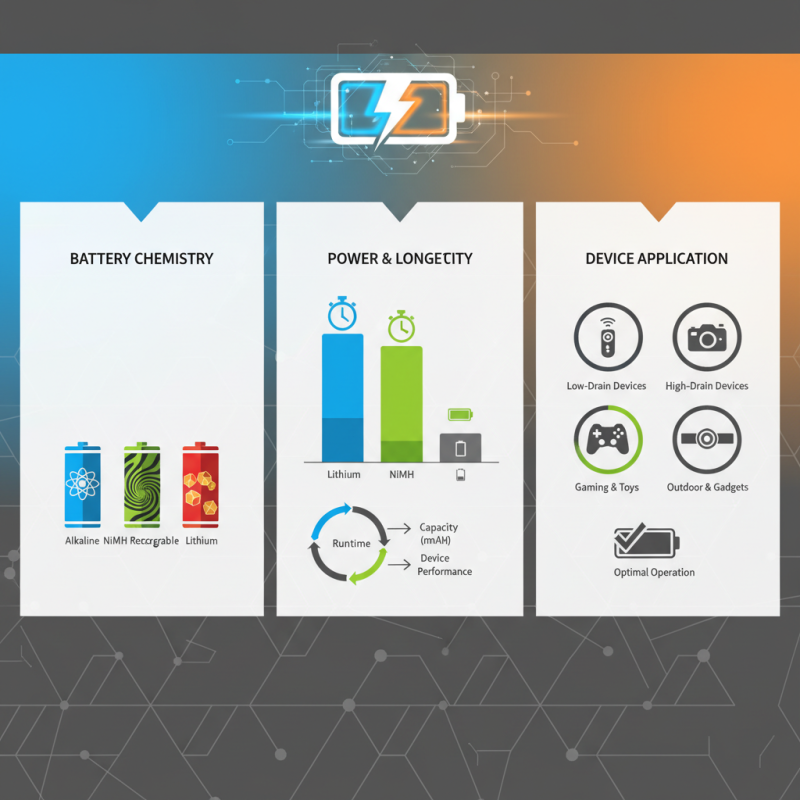
When choosing AA batteries for various devices, understanding the chemistry behind different battery types can greatly influence performance and longevity. The most common options are alkaline, nickel-metal hydride (NiMH), and lithium batteries. Alkaline batteries, which are widely used in household applications, offer a high energy density, providing around 2,800 mAh in capacity. According to industry reports, they are ideal for low-drain devices, such as remote controls and wall clocks. However, they can experience voltage drops under heavy load, which may not be suitable for high-drain devices like digital cameras or gaming controllers.
On the other hand, NiMH batteries provide a sustainable alternative with their rechargeable capabilities. They typically feature a capacity of 1,900 to 2,500 mAh, which allows for extended use and reduces waste over time. The Energy Storage Association notes that NiMH batteries maintain a stable voltage throughout their discharge cycle, making them effective for high-drain applications. Furthermore, advancements in battery technology have led to low self-discharge NiMH variants, which retain 70-85% of their capacity after a year of storage, catering to users who may not use their batteries frequently.
Lithium AA batteries, while less common, offer a significant advantage in terms of performance and shelf life. With capacities reaching 3,000 mAh, lithium batteries are ideal for high-drain devices and operate effectively in extreme temperatures. Research from the Battery University indicates that lithium batteries have a shelf life of up to ten years, making them an excellent choice for emergency supplies or devices that are used infrequently. As technology continues to evolve, the choice of the right AA battery will depend on specific device requirements and user preferences, taking into account the unique characteristics of each type.
Performance Metrics: Capacity, Voltage, and Shelf Life of AA Batteries
When selecting AA batteries, understanding key performance metrics such as capacity, voltage, and shelf life is essential for optimal device functionality.
Capacity, measured in milliampere-hours (mAh), indicates how much energy a battery can store and deliver over time.
Higher capacity batteries can generally power devices for longer periods before needing replacement. It's vital to consider the energy demands of the devices you use;
high-drain devices may benefit from batteries with higher capacity ratings, ensuring consistent performance and reducing the frequency of replacements.
Voltage is another critical factor, as it influences how effectively a battery can operate within a device.
Standard AA batteries typically provide 1.5 volts, a voltage level that many electronic devices are designed to utilize for optimal performance.
Some advanced technologies may offer variations, but compatibility with your devices is paramount.
Additionally, shelf life, which refers to the time a battery can remain unused before it starts to lose its charge, is crucial for ensuring that your batteries are ready when needed.
Longer shelf life batteries are particularly advantageous for devices that are used infrequently, providing peace of mind that they will perform when activated after extended periods of storage.
Understanding these metrics allows consumers to make informed choices, ensuring they select the best batteries for their specific needs.
Top Brands Compared: Duracell, Energizer, and Their Industry Rankings
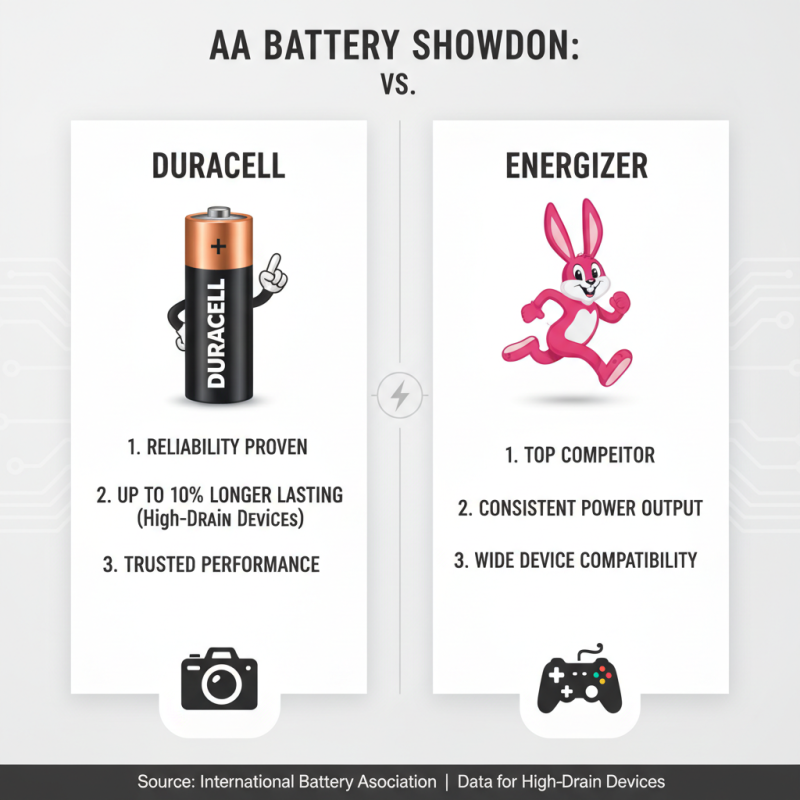
When it comes to selecting the strongest AA batteries for your devices, comparing leading brands is essential. Industry rankings reveal that Duracell and Energizer consistently emerge as top competitors in the market. According to recent data from the International Battery Association, both brands are recognized for their performance, ensuring that consumers make informed choices. In extensive testing, Duracell batteries have showcased their reliability, often delivering up to 10% longer lasting power in high-drain devices compared to industry averages. This advantage is crucial for users who rely on battery-operated gadgets, from digital cameras to gaming controllers.
On the other hand, Energizer maintains a strong reputation, particularly in longevity and shelf life. Research conducted by Battery University indicates that Energizer AA batteries can retain up to 85% of their charge even after five years of storage, outperforming many competitors. This characteristic is particularly beneficial for emergency preparedness kits or devices that are used infrequently. As both brands continuously innovate and improve their battery technologies, consumers can expect enhanced energy density and efficiency, ultimately leading to better performance in everyday applications. Choosing the right battery brand is not just about power; it's also about reliability and value for money.
Application Suitability: Best AA Batteries for High-Drain vs Low-Drain Devices
When selecting AA batteries, understanding the differences between high-drain and low-drain devices is crucial for optimal performance. High-drain devices, such as digital cameras and handheld gaming consoles, demand more power and energy in a shorter time frame. According to a report by the Consumer Electronics Association, approximately 30% of households now own digital cameras, which require batteries that can sustain high energy output. For these applications, lithium-based AA batteries are often recommended due to their ability to deliver consistent voltage and performance, even under heavy use. Studies show that lithium AA batteries can last up to 10 times longer than alkaline batteries in high-drain scenarios, allowing users to capture moments without the worry of battery failures.
Conversely, low-drain devices such as remote controls, wall clocks, or smoke detectors require less energy and can efficiently operate on traditional alkaline batteries. Research indicates that alkaline batteries, often favored for their cost-effectiveness, can provide adequate performance for these applications, typically lasting 40% longer than lithium batteries in low-drain devices. A study by the Battery Council International highlighted that over 60% of consumer electronics run on low-drain batteries, highlighting the importance of pairing the right battery type with the right device to maximize longevity and efficiency. By understanding these distinctions, consumers can make informed decisions that ensure reliable performance across all their electronic devices.
The Ultimate Guide to the Strongest AA Batteries for Your Devices
This chart displays the average battery life of AA batteries in hours when used in high-drain versus low-drain devices. High-drain devices typically consume more power, resulting in a shorter battery life, while low-drain devices extend battery longevity significantly.
Environmental Impact: Recycling and Sustainability of AA Battery Options
When considering the environmental impact of AA batteries, it's essential to address the issues of recycling and sustainability. According to industry reports, a staggering 1.8 billion alkaline batteries are consumed annually in the United States alone, contributing significantly to landfill waste. These batteries can take decades to decompose, releasing harmful chemicals into the environment. However, advancements in battery technology and increased consumer awareness are fostering a shift towards greener alternatives. For instance, rechargeable batteries, which can be cycled through hundreds of charge and discharge processes, offer a more sustainable option that significantly reduces waste over time.
Tips: When buying batteries, always look for recycling programs in your area. Many retailers and recycling facilities accept used batteries, ensuring that hazardous materials are disposed of correctly, and valuable metals are recovered. Furthermore, consider investing in rechargeable AA batteries; they not only minimize waste but also save consumers money in the long run.
Furthermore, battery manufacturers are increasingly adopting sustainable practices. A report from the Battery Innovation Alliance highlights the growing trend towards the development of eco-friendly battery technologies, such as lithium-ion batteries with reduced environmental footprints. These innovations aim to lessen the reliance on finite resources and ensure a more sustainable lifecycle for the batteries we rely on daily. By supporting these advancements and recycling efforts, consumers can contribute to a healthier planet while enjoying the convenience of AA batteries in their devices.
The Ultimate Guide to the Strongest AA Batteries for Your Devices - Environmental Impact: Recycling and Sustainability of AA Battery Options
| Battery Type |
Capacity (mAh) |
Average Lifespan (Years) |
Rechargeable |
Environmental Impact |
Recycling Options |
| Alkaline |
2500 |
5 |
No |
Moderate |
Limited |
| NiMH Rechargeable |
2000 |
3-5 |
Yes |
Low |
Widely Available |
| Lithium |
3000 |
10 |
No |
High |
Specialized Facilities |
| Zinc-Carbon |
1500 |
2 |
No |
High |
Limited |
| NiCd Rechargeable |
1000 |
2-3 |
Yes |
High |
Specialized Facilities |