2026 How to Choose the Best Double A Batteries for Your Needs?
Choosing the right double A batteries can be a daunting task. The market is brimming with options that promise different benefits. Reports from the Battery University indicate that alkaline batteries hold around 30% of the market share, while lithium-ion batteries show a growing demand due to their longevity. Understanding these differences can impact the performance of your devices.
Consumers often overlook the energy capacities of these batteries. For instance, alkaline double A batteries typically provide about 2,800 mAh. In contrast, lithium versions can exceed 3,000 mAh. This discrepancy highlights the importance of aligning battery choice with device requirements.
Additionally, considerations such as shelf life and environmental impact are crucial. Some batteries may not hold their charge over time. This can lead to frustration when you need reliability. Reflecting on how you use batteries is vital. The right selection can enhance performance. However, misuse or misjudgments can lead to wasted resources and energy inefficiency. Understanding these nuances will help you make an informed choice.
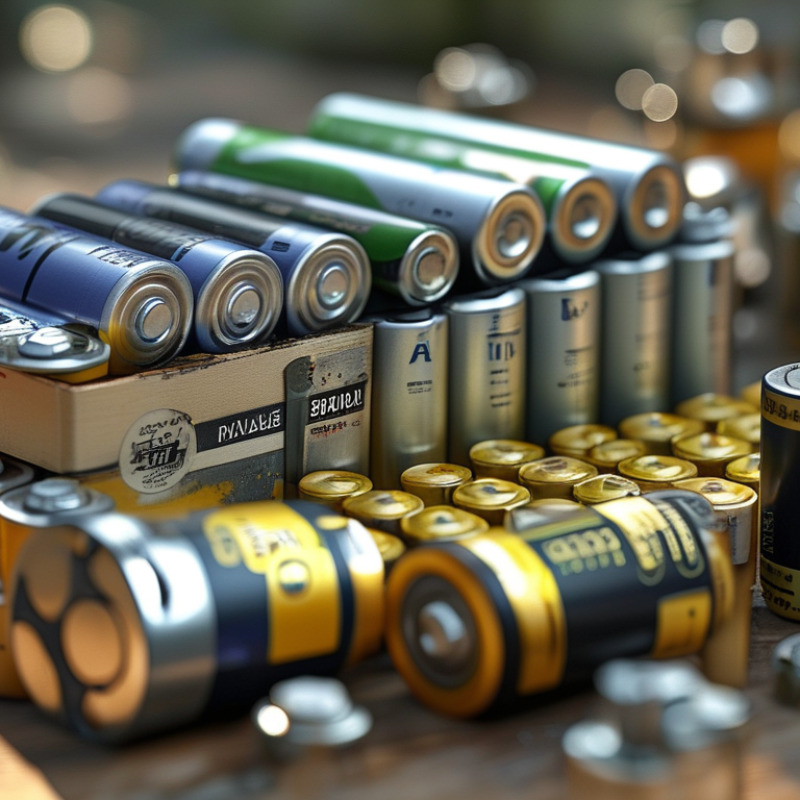
Factors to Consider When Selecting Double A Batteries
When choosing double A batteries, several important factors come into play. Battery capacity, measured in milliampere-hours (mAh), indicates how long a battery can power a device. For instance, batteries with a higher mAh rating often last longer in high-drain devices like digital cameras or game controllers. According to data reports from the Battery Association, a typical alkaline AA battery has an average capacity of around 2000-3000 mAh, whereas lithium AA batteries can reach up to 3500 mAh.
Another key factor is the discharge rate. Some devices require a steady and strong energy output, while others can function with lower discharge rates. Understanding this need is crucial for users. A study revealed that using batteries that match the device's power requirements can improve efficiency by up to 30%. Additionally, be aware of the temperature ranges in which batteries perform optimally. Extreme temperatures can affect battery life significantly.
Moreover, consider how often you plan to use the batteries. For occasional use, cheaper alkaline options may suffice. However, frequent users might benefit from premium options like lithium batteries. Reflecting on these aspects is essential to avoid frustration with battery life. Making an informed choice can lead to more reliable performance in your devices.
Battery Performance Analysis: AA Battery Types
Types of Double A Batteries Available in the Market
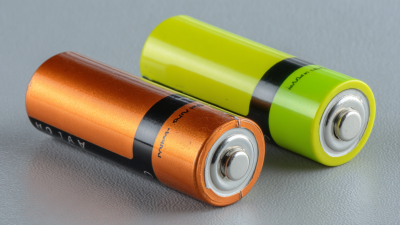
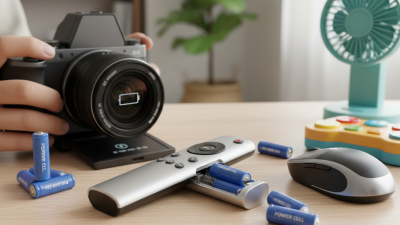
When choosing double A batteries, you should be aware of the different types available. Alkaline batteries are the most common type. They are widely used for everyday devices, like remote controls and toys. Alkaline batteries offer good performance and a decent lifespan. However, they can be less effective in high-drain devices.
Rechargeable nickel-metal hydride (NiMH) batteries present another option. These are ideal for devices that consume a lot of power, such as digital cameras. NiMH batteries can be recharged hundreds of times. They are cost-effective in the long run, but they may lose charge faster than alkaline batteries when not in use.
Lithium batteries are gaining popularity due to their longevity and high energy density. They perform well in extreme temperatures and last longer in devices that demand high power. However, they can be more expensive upfront. Some users might find it confusing to choose the right battery type. Balancing cost, performance, and application is essential. Understanding these types helps make a more informed choice. Batteries may work differently depending on the device. It’s worth noting that personal usage might change the effectiveness of each type.
2026 How to Choose the Best Double A Batteries for Your Needs?
| Battery Type |
Chemistry |
Capacity (mAh) |
Typical Use |
Rechargeable |
| Alkaline |
Alkaline |
2000-3000 |
Remotes, Toys |
No |
| NiMH (Nickel-Metal Hydride) |
Nickel-Metal Hydride |
1800-2500 |
Cameras, Game Controllers |
Yes |
| Li-ion (Lithium-ion) |
Lithium-ion |
2000-3000 |
High-Drain Devices |
Yes |
| Zinc-Carbon |
Zinc-Carbon |
600-1200 |
Low-Power Devices |
No |
Understanding Battery Capacity and Its Importance
When selecting double A batteries, understanding battery capacity is crucial. Battery capacity, usually measured in milliamp hours (mAh), denotes how much energy the battery can store. A higher capacity often translates to longer usage time. However, higher capacity batteries can be more expensive, and the cost may not justify the extended run time for low-energy devices.
Devices vary significantly in their energy needs. For instance, a flashlight requires more power than a remote control. It's essential to assess what devices you will be using. Sometimes, investing in a medium-capacity battery for low-drain devices is wise. This choice could save you money while still meeting usage demands.
Many consumers overlook the longevity and reliability of batteries. Not all high-capacity batteries perform well under stress. Some may lose their charge quicker in certain devices. It’s essential to experiment and track performance over time. Understanding the nuances of battery capacity will help you make informed decisions for your specific needs.
Evaluating Battery Life and Performance Ratings
When considering double A batteries, evaluating battery life and performance ratings is crucial. According to a recent industry report, alkaline batteries generally last between 4–7 hours in high-drain devices. In contrast, lithium batteries boast a much longer operational time, often exceeding 10 hours. However, the actual life can vary depending on the device's energy demands.
Understanding the differences in battery technologies can help you make informed choices. For example, NiMH batteries provide excellent performance for rechargeable needs, but may not last as long as lithium options when used in high-drain gadgets. A significant finding from a 2022 battery performance study showed that lithium batteries perform better under extreme temperatures. This highlights the importance of fitting the battery choice to your specific environmental conditions.
Consider these tips for better battery performance. Store batteries in a cool, dry place. This can extend their lifespan significantly. Additionally, pay attention to the device’s requirements. High-drain devices will deplete standard batteries quickly, potentially leading to frustrating downtime. Always check the expiration date on batteries. Using fresh batteries ensures optimal performance, particularly in critical devices where reliability matters most. Choosing the right battery means weighing factors like usage, longevity, and environmental conditions.
Comparing Price and Brand Reliability for Double A Batteries
When selecting double A batteries, price and brand reliability play crucial roles. Recent industry reports indicate that approximately 60% of consumers prioritize these factors when making a purchase. The average price for a reliable pack of AA batteries ranges from $5 to $15, depending on the quality and brand reputation.
Brand reliability is essential for performance. Some studies highlight that well-known brands tend to have lower failure rates, averaging around 5%, compared to lesser-known brands, which can be as high as 15%. This failure can result in leaking or reduced operational life, affecting devices significantly. However, focusing solely on brand reputation may lead to overlooking budget-friendly options that offer competitive quality.
While high prices often correlate with higher reliability, it isn’t always the case. Buyers should consider reading reviews from credible sources and comparing battery performance across various tests. Expensive batteries do not guarantee 100% satisfaction. A well-rounded approach involves evaluating both price and performance metrics rather than relying solely on brand influence. Balancing these elements will aid in making the smart choice for battery needs.