Why Should You Invest in Electric Vehicles for Your Business?
Investing in Electric Vehicles (EVs) is becoming increasingly crucial for businesses today. The global EV market is projected to grow at a staggering rate, with the International Energy Agency forecasting 145 million electric cars on the road by 2030. Companies are recognizing that sustainability is not just a trend, but a fundamental shift in consumer expectations. Renowned EV expert Dr. Jane Roberts emphasizes, "Going electric is no longer an option; it's a necessity for forward-thinking businesses."
Integrating Electric Vehicles into a business fleet can lead to significant cost savings. A report from BloombergNEF indicates that the total cost of ownership for EVs is lower than traditional vehicles over their lifespan. This advantage is vital for companies looking to reduce operational expenses. However, the transition is not without challenges. Businesses must consider upfront costs and infrastructure needs.
Moving towards Electric Vehicles requires careful planning and strategy. Companies must evaluate their unique needs and market dynamics. With rising fuel prices and stricter environmental regulations, the shift to EVs is becoming an essential aspect of business resilience. While the journey may present hurdles, the long-term benefits of adopting Electric Vehicles far outweigh the risks.
The Growing Demand for Electric Vehicles in the Commercial Sector
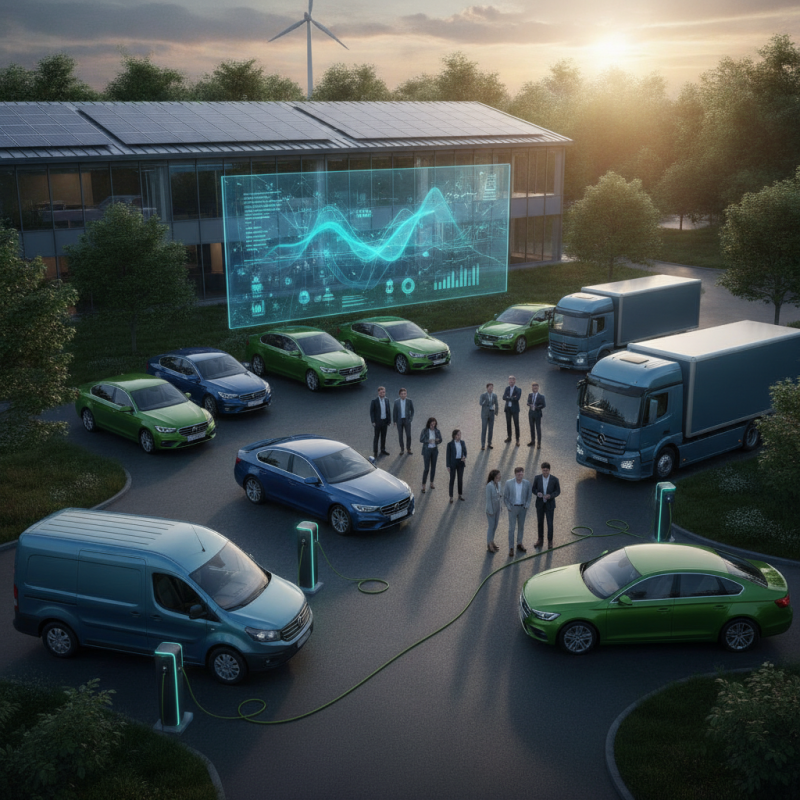
The electric vehicle (EV) market is booming, particularly in the commercial sector. A report from the International Energy Agency (IEA) reveals that global sales of electric vans are expected to grow significantly. By 2030, they could represent over 30% of new vans sold worldwide. This surge highlights the increasing demand for sustainable solutions in business operations.
Investing in electric vehicles can yield notable operational benefits. Companies can enjoy lower fuel costs, reduced maintenance expenses, and government incentives for adopting green technologies. Additionally, a McKinsey report shows businesses using EVs can cut their carbon footprint by up to 70%. However, businesses must consider charging infrastructure and initial investment costs carefully. These elements can be challenging but critical for a successful transition.
Tip: Evaluate local incentives programs for electric vehicles. Many governments offer grants or tax benefits to offset initial costs.
Tip: Assess your fleet's specific needs. Not all electric vehicles are suitable for every business model. Make informed choices to ensure the best return on investment.
The future of transportation is
green; aligning your business with this trend can drive success.
Cost Savings Through Lower Operating Expenses of Electric Vehicles
Investing in electric vehicles (EVs) can lead to significant cost savings for businesses. A report by the International Energy Agency indicates that operating expenses for EVs can be 50% lower than traditional combustion engines. This is largely due to reduced fuel costs and lower maintenance requirements. For example, businesses can save on oil changes and exhaust system repairs, which are common with gasoline vehicles.
The overall efficiency of EVs further enhances these savings. According to a study from the U.S. Department of Energy, electric vehicles convert over 77% of electrical energy from the grid to power at the wheels. In contrast, gasoline vehicles only convert about 12% to 30% of the energy stored in gasoline. This efficiency means that every dollar spent on electricity for EVs provides more mileage compared to traditional vehicles.
Integrating EVs into a fleet is not without challenges. The initial investment can be daunting for some companies. Additionally, infrastructure for charging may require updates or expansion. However, many businesses overlook the long-term financial benefits. Realizing the potential for lower operating expenses can encourage a shift towards more sustainable practices.
Government Incentives and Tax Breaks for Electric Vehicle Adoption
Investing in electric vehicles (EVs) can significantly benefit businesses. One of the most attractive aspects is the array of government incentives available. Many regions offer tax credits for purchasing EVs. These credits can reduce the initial costs substantially. Additionally, some governments provide grants for businesses that charge EVs at their locations. This creates a win-win situation for both the business and the environment.
Tax breaks vary, so staying informed is crucial. Sometimes, incentives are time-sensitive and depend on specific models. It’s essential to assess the criteria for eligibility thoroughly. Businesses must evaluate whether they can maximize these benefits. Not all businesses will reap the same rewards, and the paperwork can be cumbersome. However, for those who navigate the system effectively, the savings can be significant.
While the incentives sound good, challenges exist. Over-reliance on government support may lead to complacency. Additionally, businesses might feel pressure to adopt EVs rapidly. Each company should take a careful, considered approach. This path requires assessment of operational needs and market dynamics. Balancing ambition with realistic goals will yield better outcomes in the long run.
Environmental Impact Reduction: Aligning Business with Sustainability Goals
Investing in electric vehicles (EVs) is a strategic move for many businesses. The push for sustainability is stronger than ever. Companies are under pressure to reduce their environmental footprints. Transitioning to EVs can significantly lower greenhouse gas emissions. This transition aligns closely with global climate goals.
Beyond compliance, there is a growing consumer preference for sustainable practices. Customers increasingly choose brands that prioritize the environment. A fleet of electric cars can enhance your business's image. This can foster a deeper connection with eco-conscious consumers. Additionally, it invites discussions about corporate social responsibility.
However, the transition is not without challenges. Initial costs can be daunting, and infrastructure is evolving. Not every area is EV-friendly yet. Companies must assess charging station availability and energy sources. Grasping these nuances is vital for long-term success. As businesses invest in EVs, they must reflect on their specific sustainability goals and the actual impact of such decisions.
Impact of Electric Vehicles on CO2 Emissions Reduction
This chart illustrates the significant reduction in CO2 emissions when switching from traditional vehicles to electric vehicles. Traditional vehicles emit an average of 180 grams of CO2 per kilometer, while electric vehicles have zero tailpipe emissions, aligning your business with sustainability goals and helping to combat climate change.
Future Trends: The Electric Vehicle Market Forecast and Business Opportunities
The electric vehicle (EV) market is on a rapid growth trajectory. According to a recent report by BloombergNEF, EV sales are projected to reach over 10 million units by 2025. This shift offers significant business opportunities for companies seeking to stay ahead of the curve. As regulations tighten on emissions, businesses investing in EVs can enhance their sustainability profile and appeal to eco-conscious consumers.
Moreover, charging infrastructure is evolving. The International Energy Agency (IEA) reports that the number of publicly accessible chargers is expected to exceed 2.5 million globally by 2030. This expansion addresses one of the biggest barriers to EV adoption. Companies are realizing that a well-planned investment in EVs is not just about compliance but also about capturing a growing market share.
However, transitioning to electric vehicles requires careful planning. Businesses must navigate issues like initial costs, charging logistics, and employee training. The promise of lower operating costs may take time to materialize. Furthermore, consumer adoption rates may vary significantly based on location and awareness. Companies must be prepared for these uncertainties as they invest in this evolving landscape.