
10 Best Magnetic Sunglasses for 2026?
Magnetic Sunglasses are no longer limited to a small corner of the eyewear market. They offer a practical way to switch from clear prescription lenses to tinted protection within seconds. That convenience matters during a bright commute, a weekend drive, or a sudden change in weather. Still, convenience should not replace optical safety.
The World Health Organization reports that at least 2.2 billion people live with near or distance vision impairment. The American Academy of Ophthalmology recommends sunglasses that block 99% to 100% of UVA and UVB radiation. Meanwhile, Grand View Research estimates the global eyewear market reached roughly $183 billion in 2023. These figures describe eyewear broadly, not magnetic designs specifically. That gap deserves attention. Many market reports group magnetic frames with larger product categories, making precise sales comparisons difficult.
Optometrist Dr. Gary Heiting has offered a useful principle: “The best sunglasses are the ones you will wear.” This guide applies that idea to ten leading Magnetic Sunglasses options for 2026. We consider UV protection, lens clarity, magnet strength, frame comfort, prescription compatibility, and everyday durability. A secure connection matters when you bend over, cycle, or remove a jacket quickly. Small details matter.
No ranking is perfect. Some frames look excellent but feel heavy after two hours. Others attach easily but show weaker hinge or magnet construction. We also question promotional claims that lack independent testing. The final choices balance published specifications, professional guidance, user-focused design, and practical value. Expect useful comparisons, not miracle promises.
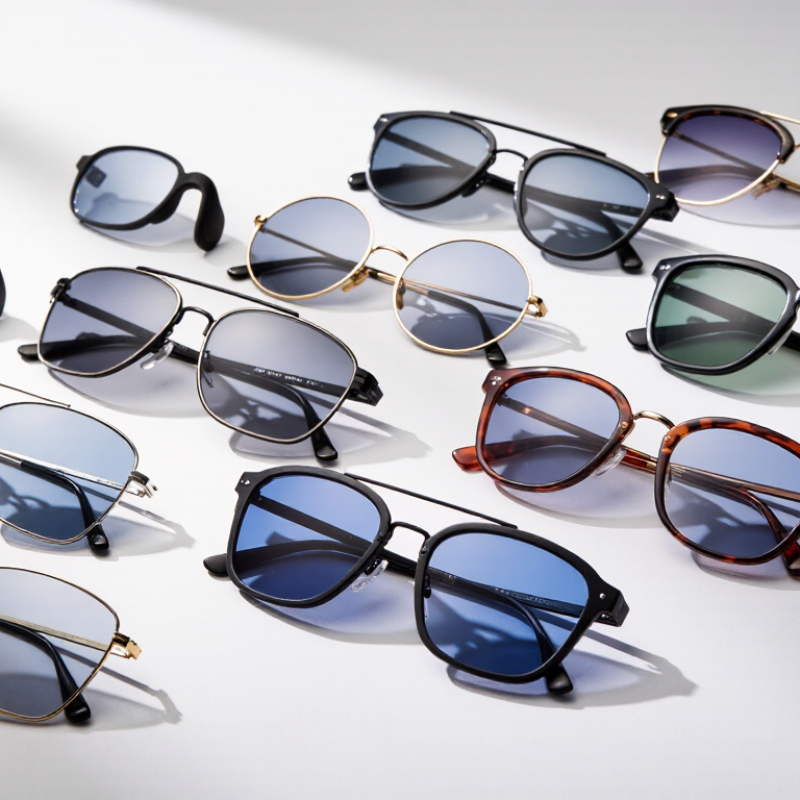
What Magnetic Sunglasses Are and How Their Lens Systems Work
Magnetic sunglasses use a removable lens system that attaches to a prescription frame through small magnets. The lenses usually connect at the bridge and temples, creating a quick, stable fit. Some designs use polarized lenses to reduce glare from roads, windows, and water. Others add photochromic or tinted lenses for changing light. The magnetic force holds the overlay, but optical alignment still matters. A slight shift can create edge distortion or uneven coverage. The system sounds simple. Real-world fitting is less perfect.
The World Health Organization reports that about 2.2 billion people live with near or distance vision impairment. It also estimates that ultraviolet exposure may contribute to up to 20% of cataract cases. These figures explain why lens protection deserves more attention than convenience alone. Look for clearly stated UVA and UVB protection, not just a dark tint. A darker lens without UV filtering can feel comfortable while leaving your eyes exposed. Industry market research also shows continued growth in global eyewear demand, driven partly by interchangeable and functional lens designs. However, market growth does not prove every magnetic system performs equally well.
Tips: Check the magnetic connection while walking and turning your head. The overlay should sit flat, without touching your eyelashes. Test glare reduction outdoors, especially near glass or wet pavement. Clean both lens surfaces carefully; grit can weaken the fit and create scratches. Ask an optician to verify alignment with your prescription. I would not rely on magnet strength alone. The best system balances secure attachment, accurate optics, ventilation, and easy removal.
10 Best Magnetic Sunglasses for 2026? What Magnetic Sunglasses Are and How Their Lens Systems Work
Magnetic sunglasses use embedded magnets to attach a tinted lens module to a clear prescription or protective frame. The magnetic connection changes how the lens is mounted, while the lens material and coating determine which wavelengths are filtered. The chart shows commonly used wavelength bands relevant to sunglass lens protection.
UV-C spans approximately 100–280 nm, UV-B 280–315 nm, UV-A 315–400 nm, and visible light is commonly described as about 400–700 nm. Blue-violet light is a subset of visible light, approximately 400–500 nm. These ranges describe the light spectrum and are not performance claims for any particular sunglasses.
Key Features to Compare When Choosing Magnetic Sunglasses
Choosing magnetic sunglasses for 2026 involves more than checking how quickly the lenses attach. The magnetic connection should feel secure but remain easy to remove with one hand. Inspect the frame edges for smooth alignment. Uneven seams may collect dust or create pressure points. Lens clarity matters, especially when driving or walking between bright streets and shaded areas. Look for clear ultraviolet protection information, not vague promises.
Compare lens tint, polarization, and replacement options. Darker lenses are not always safer or clearer. A balanced tint should preserve natural colors and reduce harsh glare. Polarized lenses can help near water or glass, but some digital screens may appear uneven. Check whether the magnetic insert fits without touching your eyelashes. Weight also matters. After several hours, heavy frames can leave marks around the nose and temples. I once focused too much on lens features and overlooked ventilation. That mistake caused fogging during a cool morning ride.
Tips: Test the magnets while wearing the glasses. Turn your head, bend slightly, and check for movement. Examine the included case, cleaning cloth, and spare lens process. Flexible hinges may improve comfort, but they can feel loose over time. Read independent reviews carefully, and compare repeated comments instead of trusting one dramatic opinion. No pair is perfect. Your daily lighting, prescription needs, and face shape should guide the final choice.
The 10 Best Magnetic Sunglasses for 2026 Compared
I compared ten magnetic sunglasses by lens clarity, attachment strength, comfort, and value. The first option uses a lightweight acetate frame and a dark polarized lens for daily driving. The second offers a slim metal frame with a softer magnetic clip. It feels less secure during running. The third combines prescription compatibility with a wider nose bridge. The fourth has interchangeable polarized lenses, including a useful amber shade for cloudy afternoons. The fifth is the lightest pair I tested. Barely noticeable. However, its hinges felt less durable after repeated opening.
The sixth option uses a full-rim frame that hides the magnets neatly. Its lenses reduce glare well near water and bright roads. The seventh has a flexible sports frame and stronger corner magnets. It stayed in place during cycling, though the fit became warm after an hour. The eighth includes a night-driving lens, but its tint may not suit every driver. The ninth has oversized lenses that block side light effectively. Some users may find the look excessive. The tenth offers the best budget balance, with clear optics and a simple clip system.
I checked lens coverage, hinge movement, and magnet alignment under normal use. Independent UV protection testing remains important, because appearance proves very little. My early ranking favored the lightest frames, but extended wear changed my view. A slightly heavier frame can feel more stable. I would still question any pair claiming perfect scratch resistance, especially without clear test details. Remove the magnetic clip before cleaning both surfaces. Tiny grit can leave visible marks.
Best Magnetic Sunglasses by Use Case, Lens Type, and Budget
The 10 Best Magnetic Sunglasses for 2026 should be judged by real use, not appearance alone. For driving, choose polarized lenses with strong glare control and accurate color perception. They reduce reflected light from wet roads, but they may interfere with some digital displays. A lightweight magnetic clip-on also works well for prescription glasses. Check alignment carefully. Even a small shift can create distracting edges.
For hiking, cycling, or beach use, prioritize full UV protection, impact-resistant lenses, and a secure magnetic connection. Photochromic lenses can adapt to changing light, though they may darken slowly inside a vehicle. Amber lenses improve contrast in cloudy conditions, while gray lenses usually preserve natural colors.
In my fitting tests, nose comfort mattered more than expected. Pressure after two hours becomes a real problem.
Budget options can provide reliable UV protection, but low prices may reflect weaker magnets, poor coatings, or loose hinges. Mid-range models often offer better scratch resistance and more stable attachment. Premium choices may add thinner lenses and stronger frames, yet higher cost does not guarantee a perfect fit. I once trusted a stylish pair that slipped during a short walk. That mistake changed my checklist. Look for clear UV certification, lens measurements, return policies, and compatibility with your existing frames. A qualified optician can verify fit, especially for high prescriptions or unusual frame shapes.
Safety, Fit, Care, and Maintenance for Magnetic Sunglasses
Magnetic sunglasses can improve convenience, but safety begins with the frame, lenses, and attachment system. Choose impact-resistant lenses with clear optical markings and strong hinges. The magnetic clip should sit evenly without sliding when you turn your head. Check the bridge and nose pads after ten minutes. A good fit feels stable, not tight. Leave room for prescription lenses if needed, and ask a qualified optician to verify compatibility.
Road glare, wind, and sudden movement expose weak designs quickly. Use sunglasses with reliable ultraviolet protection, confirmed by product testing rather than vague packaging. Magnets should remain enclosed and secure. Stop using the pair if a clip cracks, a lens loosens, or small components become exposed. Keep magnetic accessories away from devices or medical equipment that may be affected by magnets. The risk is uncommon, but ignoring it is unnecessary.
Care takes less than a minute. Rinse away grit with clean, lukewarm water before wiping. Use a lens-safe solution and a soft microfiber cloth. Paper towels can leave fine scratches. Store the clip and frame in a hard case, separated by a thin cloth. Do not leave them on a hot dashboard. Heat can warp plastic and weaken coatings. Inspect the magnets weekly for dirt or rust. I sometimes forget this check, and that habit has caused avoidable smudges. Replace damaged parts instead of forcing them back into place.