Top 10 Tips for Choosing Rechargeable Hearing Aids That Suit Your Needs
Choosing the right hearing aids can be a transformative experience for those with hearing loss, significantly enhancing communication and overall quality of life. As technology advances, rechargeable hearing aids have become increasingly popular due to their convenience and eco-friendliness. These devices eliminate the need for frequent battery replacements, providing a seamless hearing experience for users. However, selecting the most suitable rechargeable hearing aids requires careful consideration of various factors to ensure they meet individual needs and lifestyles.
In this guide, we will explore the top 10 tips for choosing rechargeable hearing aids tailored specifically to your requirements. From understanding the technical specifications to considering comfort and aesthetics, each aspect plays a crucial role in finding the perfect hearing solution. Whether you are new to hearing aids or looking to upgrade your current device, this outline aims to equip you with the knowledge needed to navigate your options confidently. With informed decisions, you can enjoy the benefits of clear and natural sound without the hassle of traditional batteries.

Understanding Different Types of Rechargeable Hearing Aids Available
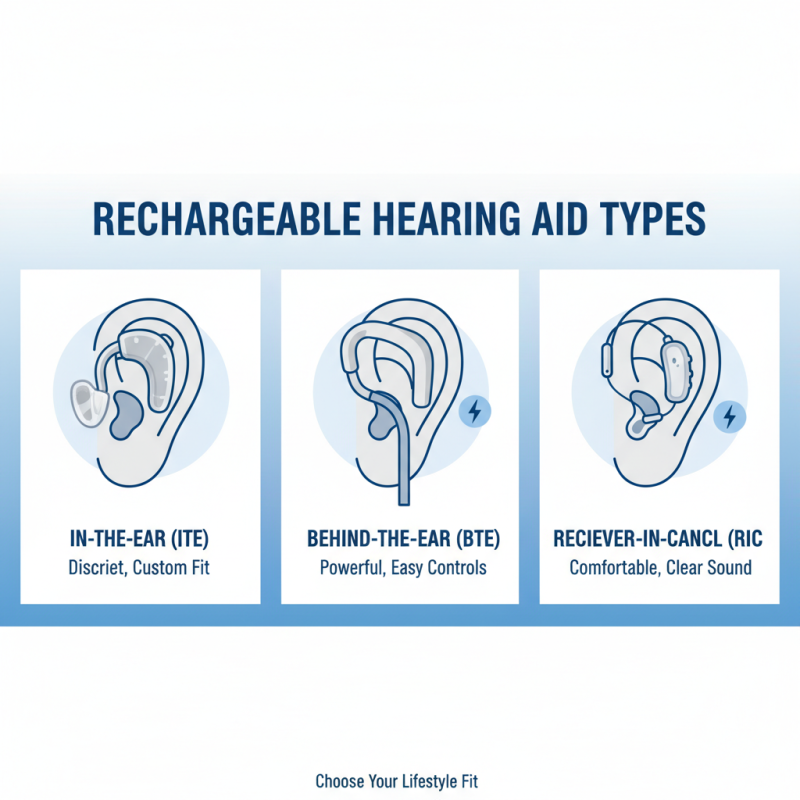
When considering rechargeable hearing aids, it's essential to understand the different types available to ensure that you choose one that best fits your lifestyle and hearing needs. There are primarily three categories of rechargeable hearing aids: in-the-ear (ITE), behind-the-ear (BTE), and receiver-in-canal (RIC). Each style has its unique advantages, catering to various preferences in terms of comfort, visibility, and features. For instance, ITE models are custom-made for the wearer's ear canal, providing a discreet option that can be particularly appealing for those concerned about aesthetics.
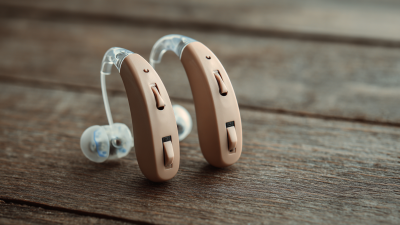
BTE hearing aids, on the other hand, sit behind the ear and are connected to a thin tube that delivers sound to an earpiece in the ear canal. This design allows for larger batteries, resulting in longer usage times between charges. RIC models combine aspects of both ITE and BTE, delivering sound directly into the ear canal while offering a less visible option. These types often have superior sound quality and can be equipped with advanced technological features, such as Bluetooth connectivity and enhanced noise reduction. By understanding these differences, you can make an informed choice that aligns with your listening needs and daily activities.
Assessing Your Hearing Needs and Lifestyle Preferences
When choosing rechargeable hearing aids, one of the first steps is to assess your hearing needs. Begin by understanding the specific challenges you face with your hearing. Do you have difficulty in noisy environments, or do you primarily need assistance in quiet settings? Identifying scenarios where you struggle to hear can help narrow down the type of technology that may be best for you. Consider scheduling a comprehensive hearing evaluation with a professional to gain insights into your specific auditory profile, which can guide your selection process effectively.
Alongside your hearing needs, it's essential to take your lifestyle preferences into account. Think about how and where you spend your time—do you often attend social gatherings, or are you more frequently in tranquil spaces? Your daily activities will influence the functionality you require from your hearing aids. For instance, if you enjoy outdoor activities, you might prioritize durability and battery life, whereas, for everyday conversations, sound clarity and connectivity features could be more significant. Evaluating these aspects together will ensure that the hearing aids you choose will seamlessly integrate with your lifestyle, providing you with the best possible hearing experience.
Hearing Aid Comparison: Features vs. User Preferences
This bar chart illustrates the importance ratings given by users to various features when selecting rechargeable hearing aids. Each feature is rated on a scale from 1 to 10, highlighting what users prioritize in their choices.
Evaluating Battery Life and Charging Options for Hearing Aids
When choosing rechargeable hearing aids, evaluating battery life and charging options is crucial for ensuring that the devices meet your daily needs. The battery life of hearing aids can vary significantly based on usage, so it’s essential to opt for models that offer sufficient hours of operation on a single charge. Consider how frequently you will wear your hearing aids each day; look for options that provide a full day of use without needing to recharge, especially if you have a busy lifestyle or commute often.
Charging options are equally important, as they affect the convenience and usability of your hearing aids. Many devices now come with various charging solutions like portable chargers, cases that double as chargers, and even quick charge features that provide a few hours of use after just a brief charging period. Evaluate how easy the charging process is and whether it fits seamlessly into your routine. Additionally, it’s worth considering how long the batteries last over time, as this can impact the overall performance and longevity of the device. Investing time in understanding these aspects will help you choose the right hearing aids tailored to your lifestyle.
Top 10 Tips for Choosing Rechargeable Hearing Aids That Suit Your Needs
| Feature |
Description |
Battery Life |
Charging Options |
| Battery Efficiency |
Assess how long the hearing aids last on a single charge. |
16-24 hours |
Standard Charging Dock |
| Rapid Charging |
Check if the aids support fast charging for convenience. |
Up to 6 hours in 30 mins |
USB-C Fast Charger |
| Charging Port Accessibility |
Consider the ease of accessing the charging port. |
N/A |
Magnetic Charging |
| Battery Replacement |
Understand if the battery can be replaced or is built-in. |
Built-in |
N/A |
| Water Resistance |
Ensure the hearing aids can withstand moisture. |
N/A |
N/A |
| Connectivity |
Check for Bluetooth and app connectivity options. |
N/A |
Bluetooth and App Control |
| Noise Cancellation |
Look for models that effectively reduce background noise. |
N/A |
N/A |
| Adjustable Settings |
Consider hearing aids with customizable sound profiles. |
N/A |
N/A |
| Weight and Comfort |
Evaluate the comfort level for all-day wear. |
N/A |
N/A |
| Price Range |
Identify how the cost fits your budget. |
$1,000 - $3,000 |
N/A |
Considering Comfort and Fit for Long-Term Wear
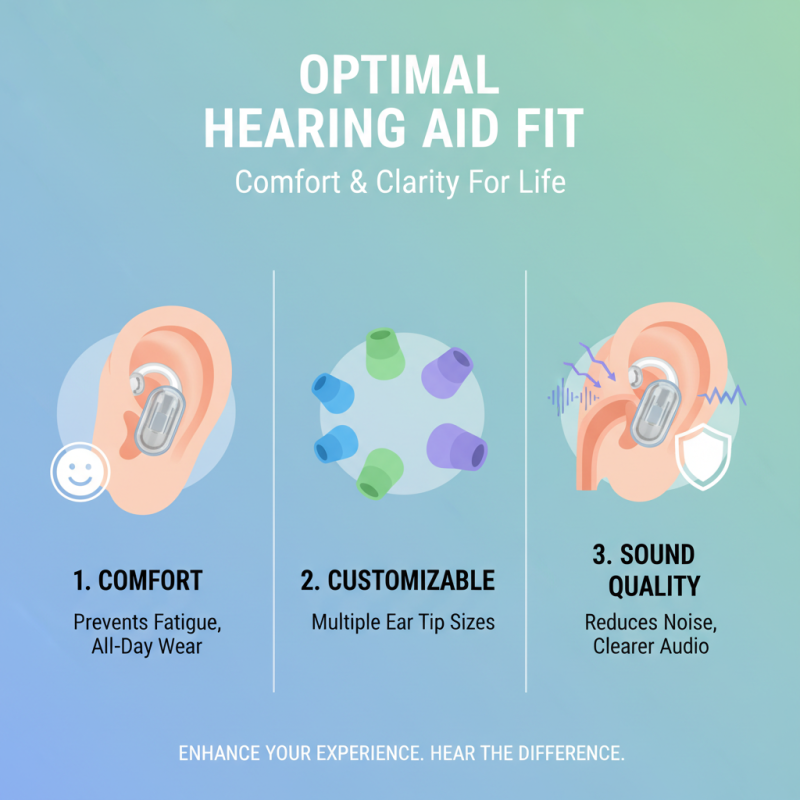
When choosing rechargeable hearing aids, comfort and fit are paramount for long-term wear. The right fit can enhance not only the effectiveness of the device but also the overall user experience. Each individual's ear shape is unique, which is why seeking hearing aids that come with multiple ear tip size options can be beneficial. A secure and comfortable fit not only prevents fatigue during extended use but also helps improve sound quality, as a snug fit minimizes external noises.
It is also essential to consider materials used in the hearing aids. Some users may have sensitivities to certain materials, so opting for hypoallergenic options can make wearing the device more comfortable. Additionally, adjustable components such as ear hooks or personalized moldings can significantly enhance comfort by accommodating personal preferences and ear structures. Taking the time to ensure a proper fit and considering the materials used can lead to a more enjoyable and effective hearing aid experience, allowing users to wear their devices confidently throughout the day.
Examining Price, Warranty, and Customer Support Services
When selecting rechargeable hearing aids, it is vital to consider the price, warranty, and customer support services.
The price range of hearing aids can vary significantly, depending on features and technology. Setting a budget and seeking options that fall within that range is essential, but also ensure that the aids include necessary functionalities tailored to your specific hearing needs.
Some aids may offer advanced features like connectivity or noise cancellation, which could justify a higher price point.
The warranty is another crucial factor in the decision-making process. A comprehensive warranty not only protects your investment but also reflects the manufacturer's confidence in their product.
Look for warranties that cover not only defects but also extend to wear and tear or any operational issues. Lengthy warranties can be an indicator of reliability, and they provide peace of mind, knowing you can seek repairs or replacements without incurring extra costs.
Lastly, evaluate the customer support services offered by the manufacturer or retailer. Effective customer support can greatly enhance your experience, especially if you require assistance adjusting settings or troubleshooting issues.
Look for companies that provide multiple channels for support, such as phone, email, or live chat, and have a reputation for responsiveness.
A strong support system can make all the difference in your overall satisfaction with the hearing aids.