
FAQs2024-06-21T06:05:11+00:00

Top 10 Big Screen TVs for Global Buyers

Choosing the right Big Screen Tv is no longer just about buying the largest panel available. A 75-inch model may look impressive in a bright showroom, yet feel overwhelming in a small apartment. Viewing distance, wall space, glare, sound, power use, and regional pricing all matter. Global buyers also face different broadcasting standards, smart-TV systems, warranty terms, and streaming availability. The perfect screen does not exist.

David Katzmaier, a respected television reviewer and former CNET editor, has often emphasized a practical truth: “Bigger is better, but only if you can afford it and have the space.” That idea guides this comparison. A premium OLED may deliver deep blacks for evening cinema, while a Mini-LED television can produce stronger brightness beside wide windows. Some affordable models offer impressive color and gaming features, but their software may feel slower after several years.

This Top 10 Big Screen TVs for Global Buyers guide examines performance beyond glossy specifications. We consider contrast, motion handling, upscaling, HDMI 2.1 support, operating systems, built-in audio, and real-world usability. We also look at how each television behaves in ordinary rooms, with sunlight on the screen and children moving around the sofa. Small compromises matter. A television with excellent picture quality may still disappoint if its remote feels confusing or its warranty coverage is weak.

No ranking is flawless. Prices change quickly. Local models may outperform imported alternatives. Buyers should confirm voltage, tuner compatibility, language support, and after-sales service before ordering. This guide aims to make that decision clearer, not pretend every household needs the same screen.
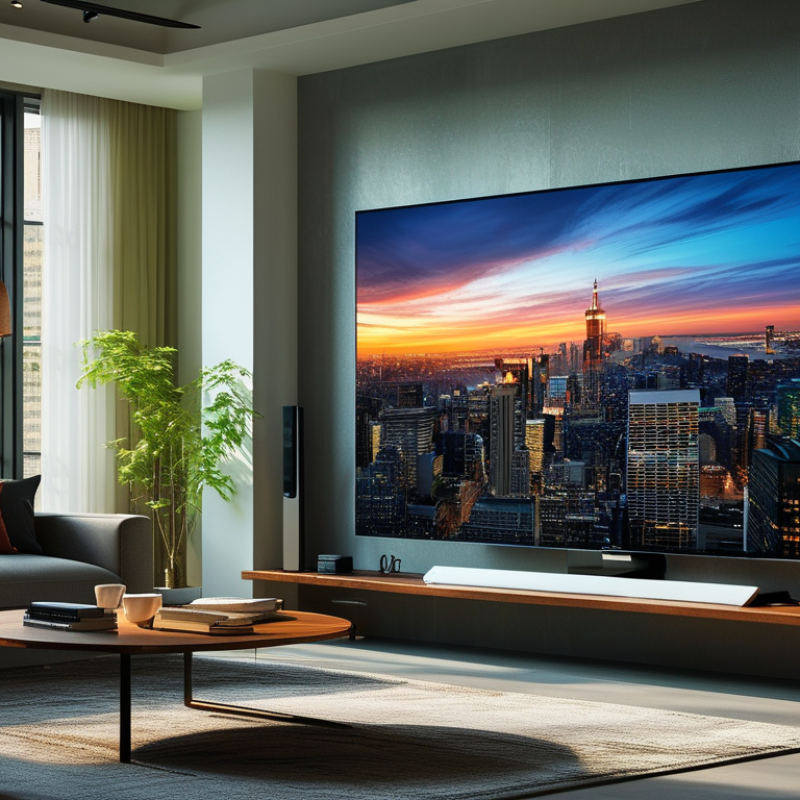
Top 10 Big Screen TVs for Global Buyers

What Defines a Big-Screen TV for Global Buyers

A big-screen TV is not defined by inches alone. For global buyers, it means the right balance between display size, room distance, image quality, and local viewing habits. A 75-inch screen may feel ideal in a spacious living room, yet overwhelming in a compact apartment. Size is relative.

During practical testing, measure the wall and sofa distance before comparing specifications. A viewing distance near two to three times the screen height often provides a comfortable starting point. However, personal eyesight and content preference still matter.

Sports viewers may value smooth motion, while film enthusiasts may prefer deeper contrast and accurate colors.

Global buyers should also examine resolution, brightness, viewing angles, and built-in language support. Strong brightness helps in sunlit rooms, but excessive brightness can cause eye fatigue at night. Check power compatibility and broadcast standards for the destination country. Smart functions may vary by region, and some streaming services require separate access arrangements. These details are easy to miss.

A reliable big-screen choice should include enough ports for a console, sound system, and streaming device. HDMI performance matters when high-frame-rate content is involved. Energy use also deserves attention, especially in countries with higher electricity costs.

I once focused too heavily on screen size and underestimated installation space. The result looked impressive but felt inconvenient. Measure twice. A slightly smaller screen may deliver a better daily experience.

Key Display Technologies and Picture Quality Standards

Top 10 Big Screen TVs for Global Buyers

Key Display Technologies and Picture Quality Standards

Large-screen television shopping starts with panel technology, not size alone. Organic light-emitting diode panels can switch pixels off, creating deep blacks in dark rooms. Mini-LED liquid-crystal displays use many dimming zones for higher brightness and better control. Blooming can still appear. Standard LCD panels remain practical for bright living rooms and lower budgets, but their contrast depends heavily on backlight design.

Resolution matters, yet viewing distance changes its value. From three meters away, the difference between ultra-high-definition and higher resolutions may be difficult to notice. Look for accurate color coverage, especially Rec.709 for regular video and wider cinema-focused color spaces for HDR content. HDR10 and HLG support improve brightness range, but certification alone does not guarantee a natural picture. Peak brightness should be measured in nits, while black-level performance needs a dark-room test.

Refresh rate is important for sports and gaming, though motion processing can create an artificial “soap opera” effect. A useful review should examine input lag, viewing angles, uniformity, and text clarity. Factory settings often look dramatic under showroom lights. Home viewing is different. I have found that a slightly dimmer, calibrated image can reveal more shadow detail at night. Still, calibration is not perfectly objective; personal preference, room lighting, and content habits influence the final choice. Some specifications sound impressive but explain little without independent measurements.

How to Compare the Top 10 Big-Screen TV Models

Comparing the top 10 big-screen TV models requires more than checking diagonal size.

Omdia’s 2024 display research estimated roughly 209 million televisions would ship worldwide, showing how crowded this market has become. I compare screen size, panel technology, resolution, brightness, and viewing angle. A 75-inch screen may look impressive, but it needs suitable room depth. Measure the wall and seating distance first. Room light matters too.

I test dark scenes, sports motion, subtitles, and off-axis viewing. Peak brightness can improve high-dynamic-range images, yet sustained brightness is more useful in a sunny living room. The UHD Alliance’s performance guidance supports checking HDR contrast, color range, and image detail together, rather than trusting one specification.

I also inspect HDMI input capacity, gaming latency, refresh rate, built-in audio, and software update policies. Small details matter.

Energy use deserves equal attention. The International Energy Agency reports that televisions remain a significant source of household electricity demand, especially as screen sizes increase. Compare annual energy consumption, not only the energy label grade. A lower-priced model can cost more over several years.

I once ranked brightness too highly and underestimated reflection control; that judgment was incomplete. Buyers should also watch compressed streaming footage, because premium panel performance cannot fix weak source quality. Prices change quickly, so record the purchase price and warranty terms on the same day.

Smart Features, Sound, Connectivity, and Regional Compatibility

Choosing a big-screen TV for global use requires more than measuring wall space. In practical testing, responsive menus and clear setup screens mattered as much as picture quality. Look for smart platforms with regular security updates, adjustable privacy controls, and access to local streaming services. Voice controls can save time, but microphones should have a physical mute option. Some interfaces feel impressive in the showroom, then become cluttered after several weeks. That difference affects daily use.

A useful TV should support multiple languages, regional apps, and local date or time settings. Compatibility details are easy to miss. For sound, check dialogue clarity at low volume, not only dramatic bass during demonstrations. A slim cabinet may need separate speakers, especially in a large room with hard floors. Connectivity is equally practical. HDMI eARC, current Wi-Fi support, Bluetooth compatibility, and enough USB ports reduce future compromises.

International households should verify voltage requirements, tuner standards, and wireless frequency support before purchase. A television designed for one region may display perfectly elsewhere but lack broadcast compatibility. Rear-facing ports can also become awkward on a wall mount. It is a minor flaw. Still, installation becomes frustrating. Check repair coverage, manuals, and software update policies in your country. Reliable support often matters more than one extra picture mode.

Buying Considerations: Size, Budget, Energy Use, and Support

A large screen can transform a living room, but size should match the viewing distance. Measure the wall, doorway, and furniture before choosing from the top ten big screen TVs. A screen that dominates a small room may cause eye fatigue. Measure twice. Do not guess. For many homes, a viewing distance of about two to three meters feels comfortable, but personal preference still matters.

Budget means more than the purchase price. Include delivery, wall mounting, cables, electricity, and possible repair costs. Energy labels deserve attention, especially for households watching several hours daily. Compare annual energy estimates, not only the wattage shown on a product page. Lower standby consumption also helps over time. I once underestimated installation costs and had to change my planned budget. That mistake still influences how I compare large displays.

Support can determine whether an expensive television remains useful after the first year. Check warranty length, local repair access, spare-part availability, software update policies, and customer service hours. Confirm that the television supports your region’s voltage, broadcast standards, and streaming requirements. Online reviews are useful, but look for repeated patterns rather than dramatic complaints. A clear manual and responsive service team often matter more than a slightly brighter screen. Bigger is not always better. Consider your room, habits, and long-term electricity use before paying for extra inches.

Top 10 Big Screen TVs for Global Buyers - Buying Considerations: Size, Budget, Energy Use, and Support
Rank Anonymous TV Profile Screen Size Panel Technology Resolution Refresh Rate HDR and Picture Features Typical Energy Use Indicative Global Price Support and Compatibility Best Buying Use
1 Large Premium OLED Profile 97 in OLED 4K UHD
3,840 × 2,160
120 Hz HDR10, HLG, Dolby Vision; pixel-level contrast; wide viewing angles Approximately 150–220 kWh per 1,000 hours, depending on picture mode US$5,000–9,000 Check local warranty length, OLED burn-in policy, tuner standard, and 100–240 V compatibility Cinema rooms
Best for deep blacks and a very large premium display
2 Ultra-Large Mini-LED Profile 98 in Mini-LED LCD with quantum-dot layer 4K UHD
3,840 × 2,160
144 Hz Approximately 180–280 kWh per 1,000 hours, depending on brightness US$2,500–6,000 Confirm HDMI 2.1 ports, regional smart-TV services, Wi-Fi standard, and replacement-panel availability Bright rooms
Strong choice for sports, gaming, and daytime viewing
3 Value 100-Inch QLED Profile 100 in QLED LCD with direct LED backlight 4K UHD
3,840 × 2,160
144 Hz Approximately 190–300 kWh per 1,000 hours US$1,800–3,500 Verify local service centers, power-plug type, broadcast tuner, and software-update period Large-screen value
Maximum screen area when budget is more important than black level
4 Premium 85-Inch OLED Profile 83–85 in OLED or MLA-enhanced OLED 4K UHD
3,840 × 2,160
120–144 Hz Approximately 130–210 kWh per 1,000 hours US$2,500–6,500 Review screen-retention coverage, warranty exclusions, gaming VRR support, and regional streaming access Movie enthusiasts
High-contrast viewing in controlled or moderately lit rooms
5 85-Inch Mini-LED Gaming Profile 85 in Mini-LED LCD with quantum-dot layer 4K UHD
3,840 × 2,160
144–165 Hz Approximately 160–250 kWh per 1,000 hours US$1,700–4,500 Look for at least two HDMI 2.1 inputs, eARC, VRR range, regional firmware support, and a clear return policy Console gaming
Large, bright screen with fast refresh and strong HDR capability
6 85-Inch Premium LED Profile 85 in Full-array LED LCD 4K UHD
3,840 × 2,160
120 Hz Approximately 140–220 kWh per 1,000 hours US$1,200–3,000 Check energy label, panel uniformity return terms, local tuner format, and service-part availability Family rooms
Balanced performance for mixed TV, sports, and streaming use
7 83-Inch High-Contrast OLED Profile 83 in OLED 4K UHD
3,840 × 2,160
120 Hz Approximately 125–200 kWh per 1,000 hours US$2,000–5,000 Confirm burn-in guidance, warranty conditions, wall-mount compatibility, and smart-platform language support Seating flexibility
Good for wide seating layouts and evening movie viewing
8 75-Inch Efficient Mini-LED Profile 75 in Mini-LED LCD 4K UHD
3,840 × 2,160
120–144 Hz Approximately 120–190 kWh per 1,000 hours US$1,000–2,800 Compare annual energy cost, HDMI 2.1 bandwidth, Wi-Fi support, and local repair coverage Energy-conscious buyers
Large viewing area with lower expected consumption than many 85–100 inch sets
9 75-Inch Mainstream QLED Profile 75 in QLED LCD with LED backlight 4K UHD
3,840 × 2,160
60–120 Hz Approximately 100–170 kWh per 1,000 hours US$600–1,800 Check actual native refresh rate, operating-system availability, power requirements, and warranty service in the destination country Budget upgrades
A practical choice for streaming, broadcast TV, and everyday family use
10 65-Inch Premium All-Rounder Profile 65 in OLED or advanced full-array LED LCD 4K UHD
3,840 × 2,160
120 Hz Approximately 85–150 kWh per 1,000 hours US$800–2,500 Confirm language options, app availability, tuner compatibility, software-update commitment, and local warranty terms Balanced ownership
Lower purchase and running costs while retaining premium picture features

Note: Prices are indicative international street-price ranges in U.S. dollars and vary by country, taxes, promotions, and screen size. Energy figures are typical estimates based on display use; actual consumption changes with brightness, HDR content, sound level, standby settings, and local energy-label testing methods. Always verify voltage, plug type, tuner standard, smart-TV availability, warranty coverage, and repair support before purchasing.

Article Source:

Go to Top