
FAQs2024-06-21T06:05:11+00:00

Who Are the Top Cold Drink Cup Manufacturers in China?

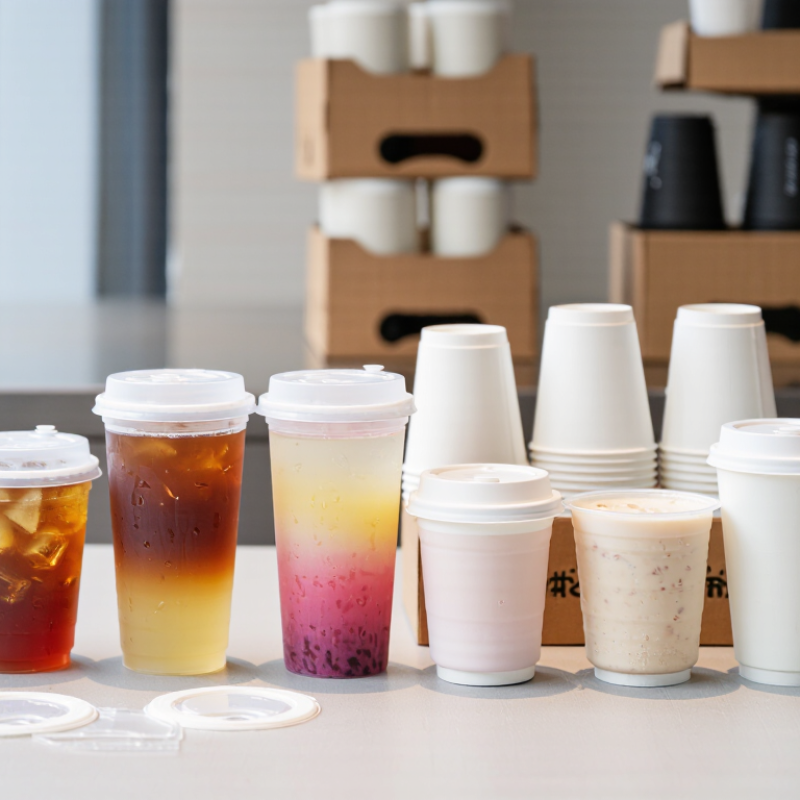
Choosing among China’s top Cold Drink Cup manufacturers takes more than comparing glossy catalogs. A reliable supplier should match the cup to its actual use: iced coffee, fruit tea, smoothies, or takeaway soft drinks. Small details matter. Check rim diameter, wall stiffness, clarity, lid fit, and how the cup feels when filled with ice. A sample can reveal problems that product photos hide.

This guide explains how to assess manufacturers without treating “top” as a universal ranking. Production capacity, printing options, customization, minimum order quantities, and lead times all affect whether a factory suits your business. Ask for current specifications and relevant material or quality documentation, then confirm details directly with the supplier. A neat certificate file helps, but it does not replace clear answers or a physical sample. A polished catalog is not proof.

The Cold Drink Cup market includes different materials, shapes, and service needs, so the best choice depends on your product and buying plan. Compare quotations carefully: check what each price includes, such as lids, printing, packaging, and shipping terms. If possible, test samples with the real drink and ice. Some cups look sturdy on a desk and feel less convincing in a busy café. That is worth noticing. Supplier claims can also be incomplete, so verify production details before placing a large order. The aim here is a practical shortlist, not a promise that one manufacturer fits every buyer.
Who Are the Top Cold Drink Cup Manufacturers in China?

How China’s Cold Drink Cup Manufacturing Industry Is Organized

China’s cold drink cup industry is organized as a network, not a single factory model. Upstream suppliers provide paperboard, plastic resin, inks, and coatings. Cup makers then print, form, trim, and pack products, while separate suppliers may produce lids and straws. These steps can happen under one roof or across several nearby workshops.

Regional manufacturing clusters help companies source materials and packaging quickly. A buyer may work with a converter for cups, a specialist for lids, and a logistics provider for export orders. Larger factories often handle design, printing, forming, and quality checks in-house. Smaller producers may focus on one process and rely on partners for the rest. That can be efficient, but it adds coordination risk.

Details matter. Check whether the cup material suits cold drinks, whether the rim is smooth, and whether lids fit consistently across production batches. Ask for current material specifications and inspection records, rather than relying only on a sample. A good sample can hide uneven printing or weak sealing in a larger run. It is also worth asking who performs each production step; supply chains are not always as simple as a sales description suggests. I would not assume every factory has the same testing capacity. Some buyers overlook this.

Which Manufacturers Lead China’s Cold Drink Cup Market?

China’s cold drink cup market is led by manufacturers that can balance high-volume production with consistent quality. The China Paper Association’s 2023 annual industry report recorded 127.05 million tonnes of paper and paperboard output nationwide. This shows the scale of the material supply base, not cup production itself. Cup buyers should therefore compare factory-level evidence, not infer leadership from national output.

Strong suppliers typically offer stable forming lines, reliable sealing, and clear food-contact documentation. Ask for cup samples and check rim smoothness, seam strength, and leakage after filling with cold liquid. A printed sample can look excellent, yet perform poorly when stacked or chilled. I would not call any single factory the market leader without verified capacity and quality records; public rankings are limited, and that uncertainty matters.

Tips: Request recent test reports, production capacity, minimum order quantities, and lead times. Compare the same cup size and material across suppliers. Small checks help.

Who Leads China’s Cold Drink Cup Market? Common Cup Capacities

This chart compares representative cold-drink cup sizes by volume. It provides product-size context, not manufacturer rankings or market-share data; actual capacities vary by product.

Volumes are rounded conversions from US fluid ounces to milliliters (1 US fl oz = 29.5735 mL).

What Cup Materials and Product Types Do These Manufacturers Offer?

Chinese cold-drink cup manufacturers commonly offer clear PET cups for fruit tea, smoothies, and iced coffee. Their transparency shows drink layers clearly, while firmer walls help cups keep their shape during service. PP cups are another option, especially when buyers need flexibility in size, lid fit, or printing. Ask suppliers for samples: a cup that looks sturdy empty may soften when filled with ice.

Paper cups are available too, usually with a moisture-resistant inner barrier. Options include PE-lined, PLA-lined, and newer water-based coatings; performance varies, so buyers should check the intended drink temperature and disposal route. Double-wall and ripple-wall designs add grip and insulation, but they are less typical for cold drinks. Condensation matters. Smooth walls can become slippery when droplets collect.

The market is broad, but material choice should follow the use case. Grand View Research’s Disposable Cups Market report estimated the global market at USD 12.6 billion in 2022 and projected 4.4% annual growth from 2023 to 2030. This is a worldwide benchmark, not a China-specific production figure. Manufacturers may also supply flat or dome lids, printed sleeves, and different rim diameters. Request food-contact documentation, wall-thickness details, and leak-test results; product descriptions alone are not enough.

Who Are the Top Cold Drink Cup Manufacturers in China? - What Cup Materials and Product Types Do These Manufacturers Offer?

Cup Material Common Product Types Typical Lid and Accessory Options Material Characteristics Considerations for Buyers
PET (polyethylene terephthalate) Clear cold-drink cups for iced coffee, smoothies, juice, soft drinks, and takeaway beverages; straight-wall and tapered styles. Flat lids, dome lids, straw-slot lids, and compatible straws, depending on the cup design. Transparent and lightweight, allowing the drink and toppings to be visible. Commonly used for single-use cold beverage packaging. Confirm cup and lid compatibility, required dimensions, and local collection and recycling options. Suitability for a specific beverage depends on the product and use conditions.
PP (polypropylene) Reusable or disposable cold-drink cups, including clear or translucent cups and cups used for milk tea, iced drinks, and takeaway beverages. Flat, dome, and straw-opening lids; some formats are designed for heat sealing. Lightweight and available in different levels of clarity. PP is also used in food containers and packaging. Ask for the resin specification and intended-use details. Cup appearance, rigidity, and lid fit vary with design and manufacturing specifications.
Paperboard with a barrier lining Single-wall or double-wall paper cups for cold beverages, including printed takeaway cups and branded-service formats. Paper or plastic lids, sip lids, and compatible sleeves where required. The paperboard provides the cup structure; a lining helps resist liquid penetration. Linings may use different materials, including plastic or biobased coatings. Specify the lining material and check local recycling or composting requirements. A paper-based cup is not automatically recyclable or compostable in every waste system.
PLA (polylactic acid) Clear or translucent cold cups and selected lids intended for cold beverages and food-service applications. Compatible flat or dome lids may be available, subject to matching dimensions and material specifications. PLA is a biobased plastic that can be made from renewable feedstocks. It is commonly associated with cold-use packaging. Check the supplier’s temperature limits and certifications. Industrial compostability depends on the product meeting applicable standards and access to suitable facilities.
rPET (recycled PET) Clear cold-drink cups made with recycled PET content, where permitted by applicable food-contact regulations. Flat, dome, or straw-slot lids selected to match the cup dimensions and intended application. Uses recycled PET as part or all of the resin input. Clarity and appearance can vary according to recycled content and production specifications. Request documentation for recycled content and food-contact compliance. Requirements vary by market and intended use.
Aluminum Single-use aluminum beverage cups and selected reusable-style drink cups for cold beverages and event service. Compatible snap-on lids or other fitted closures, depending on the cup design. Opaque, lightweight, and metal-based; it is distinct from the transparent plastic cup formats commonly used for showcasing drinks. Confirm the cup’s intended use, edge and lid design, and local metal collection options. Product specifications differ between disposable and reusable formats.

Buyer note: Chinese suppliers may offer different materials, shapes, capacities, printing, and lid systems. Compare current product specifications, food-contact documentation, minimum order quantities, and certifications directly with each supplier; this table describes common product categories and is not a manufacturer ranking.

How Do Leading Manufacturers Manage Production and Quality?

Leading cold drink cup manufacturers manage production with repeatable settings and frequent checks. On a thermoforming line, operators track sheet thickness, heating temperature, forming pressure, and cycle speed. Small changes can affect cup clarity, wall strength, or rim shape. Trimmed cups are checked for height, rim diameter, weight, and visible defects. Measurements from the start, middle, and end of a run can reveal drift before it affects a large batch.

Quality control also begins with incoming materials. Teams compare resin or sheet deliveries with documented specifications and retain batch records for traceability. During production, sample cups may be filled with water and checked for leaks, while stacked cups are tested for consistent nesting. Clean work areas and maintained equipment help limit dust and loose particles. Small checks matter. Inspection records are useful only when staff act on them; a logged defect that never changes a machine setting solves little. Even a stable process can miss subtle variation between batches, so periodic review of rejected samples and customer feedback remains important. That gap deserves attention.

How Can Buyers Compare Chinese Cold Drink Cup Suppliers?

Comparing Chinese cold drink cup suppliers starts with the cup’s intended use, not just the lowest quoted price. Ask for samples in the exact capacity, material, and lid style you plan to order. Check whether the rim feels smooth, the cup stays firm when filled with ice, and the lid fits without wobbling. Small details matter. Request test information for leakage, stacking, and print durability, along with documentation for the materials used. If cups will hold acidic drinks or sit in cold storage, explain those conditions clearly.

Compare quotations by checking what each price includes: cup, lid, printing, carton, and shipping terms. Ask about minimum order quantities, sample charges, production time, and how defects are recorded during inspections. A detailed reply is useful, but verify it against a physical sample and written specifications. Supplier photos can hide thin walls or uneven printing. That happens. Ask for a pre-production sample when colors or dimensions are important. Also compare communication quality; delayed or vague answers now may complicate changes later. No supplier is perfect, and a sample may not match every production batch, so agree on inspection criteria before placing a large order.

Go to Top