Top 10 Mini Shop Refrigeration Units for Global Buyers
Choosing the right Mini Shop Refrigeration unit can shape daily sales, product safety, and operating costs. Small stores face practical limits, including narrow aisles, unstable temperatures, and limited electrical capacity. A compact refrigerator must do more than look attractive behind a glass door. It should maintain stable cooling, support quick product access, and withstand frequent opening throughout busy trading hours.
This guide examines the Top 10 Mini Shop Refrigeration Units for Global Buyers through practical purchasing criteria. We consider usable capacity, temperature control, energy efficiency, noise levels, shelving flexibility, and maintenance access. We also examine voltage compatibility, plug standards, warranty support, and local service availability. These details matter when a unit travels across borders. A refrigerator designed for one market may require different electrical specifications elsewhere.
Real shop conditions can be unforgiving. Dusty floors, warm loading areas, and crowded shelves may reduce performance. A unit rated for 2–8°C may still need correct placement and regular cleaning. No ranking is universally perfect. A quiet undercounter model may suit a café, while a glass-door merchandiser may serve a busy convenience shop better. Some energy claims also deserve careful verification, rather than blind trust. Buyers should review technical sheets, certifications, refrigerant information, and after-sales terms before ordering. This comparison aims to provide a reliable starting point, while recognizing that local climate, budget, product mix, and service access can change the final decision. Small equipment still requires serious judgment.
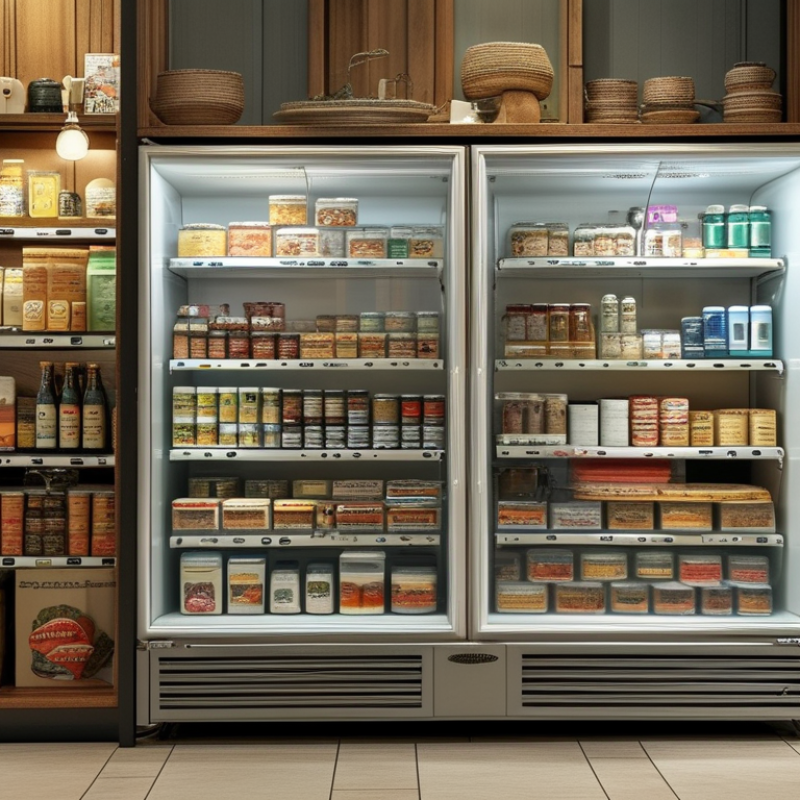
Mini Shop Refrigeration Units: Purpose, Scope, and Buying Context
Top 10 Mini Shop Refrigeration Units for Global Buyers
Mini Shop Refrigeration Units: Purpose, Scope, and Buying Context
Mini shop refrigeration units protect temperature-sensitive goods in compact retail spaces. They support beverages, dairy products, fresh food, and selected frozen items. Their value depends on steady cooling, easy cleaning, and practical access during busy hours. A reliable unit should maintain stable temperatures beside open doors and frequent customer traffic. I have found that small stores often underestimate ventilation space. That mistake can increase energy use and shorten compressor life.
For global buyers, the top ten choices should be compared by purpose, capacity, climate rating, and service access. A glass-door cooler may suit impulse purchases, while an under-counter model saves valuable floor space. Freezers require stronger insulation and different temperature performance. Check voltage, plug type, refrigerant specifications, warranty terms, and replacement-part availability before ordering. Local technicians matter. A low purchase price becomes expensive when basic repairs require long-distance support. Product descriptions can also be incomplete, so request test data and installation requirements in writing.
Tips: Measure the doorway, aisle, and final installation area first. Leave clearance around the condenser. Compare energy consumption under realistic shop conditions, not only laboratory figures. Ask whether the unit performs reliably in your local climate. I would also inspect door seals after delivery. They are easy to overlook, yet they strongly affect cooling stability. A perfect ranking is impossible without observing daily usage; buying decisions should remain flexible.
How the Top 10 Units Compare by Capacity and Performance
Across the top ten mini shop refrigeration units, capacity ranges from compact 90-liter cabinets to larger 500-liter models. The smallest units suit cafés, kiosks, and narrow checkout areas. Mid-size models, around 180 to 300 liters, usually balance display space and electricity use. Larger units hold more drinks, dairy products, or fresh food, but they need stronger floor support and wider ventilation clearance.
Performance depends on more than cooling speed. Field checks should examine temperature recovery after frequent door openings, especially during busy afternoons. Units with stable airflow cool products more evenly, while crowded shelves can create warm corners. Noise also matters in small stores. A quiet compressor improves the customer experience. Energy consumption should be measured over several days, not judged from one label alone. Labels can mislead. The best capacity is not always the best choice.
Tips: Measure usable shelf space, not only gross volume. Leave clearance around the condenser. Test the unit at your shop’s highest expected room temperature. Record energy use for one week. Check door seals with a thin paper strip. If it slips out easily, cooling performance may decline. I would also compare recovery time after restocking, because this practical detail is often missed.
Top 10 Mini Shop Refrigeration Units for Global Buyers - How the Top 10 Units Compare by Capacity and Performance
| Rank | Unit Type | Net Capacity | Temperature Range | Rated Power | Typical Energy Use | Cooling Method | Operating Noise | Door Configuration | External Size
(W × D × H) | Best Use |
| 1 | Upright Glass-Door Chiller | 1,200 L | +2 to +8°C | 650 W | 5.8 kWh/24 h | Fan-assisted | 46 dB(A) | 2 hinged doors | 1,480 × 760 × 2,050 mm | Large beverage displays |
| 2 | Double-Door Merchandiser | 1,050 L | +1 to +8°C | 620 W | 6.1 kWh/24 h | Fan-assisted | 48 dB(A) | 2 hinged doors | 1,360 × 780 × 2,050 mm | High-volume retail sales |
| 3 | Single-Door Display Chiller | 650 L | +2 to +8°C | 390 W | 3.7 kWh/24 h | Fan-assisted | 44 dB(A) | 1 hinged door | 720 × 780 × 2,050 mm | Compact shop aisles |
| 4 | Under-Counter Refrigerated Cabinet | 350 L | +2 to +8°C | 280 W | 2.6 kWh/24 h | Fan-assisted | 42 dB(A) | 2 solid doors | 1,200 × 700 × 850 mm | Bars and service counters |
| 5 | Glass-Top Chest Freezer | 500 L | -18 to -22°C | 420 W | 4.9 kWh/24 h | Static cooling | 43 dB(A) | 2 sliding glass lids | 1,500 × 750 × 850 mm | Frozen food merchandising |
| 6 | Compact Back-Bar Cooler | 280 L | +2 to +8°C | 220 W | 2.2 kWh/24 h | Fan-assisted | 40 dB(A) | 2 glass doors | 900 × 520 × 850 mm | Beverage storage behind counters |
| 7 | Reach-In Freezer Cabinet | 600 L | -18 to -22°C | 520 W | 5.6 kWh/24 h | Fan-assisted | 47 dB(A) | 1 solid door | 780 × 850 × 2,050 mm | Frozen inventory storage |
| 8 | Countertop Display Chiller | 120 L | +2 to +8°C | 160 W | 1.5 kWh/24 h | Fan-assisted | 38 dB(A) | 1 lift-up glass door | 700 × 570 × 720 mm | Impulse purchases and snacks |
| 9 | Semi-Vertical Open Chiller | 900 L | +2 to +8°C | 700 W | 7.2 kWh/24 h | Forced-air curtain | 52 dB(A) | Open front | 1,875 × 850 × 1,950 mm | Self-service fresh products |
| 10 | Compact Upright Freezer | 400 L | -18 to -22°C | 360 W | 4.3 kWh/24 h | Fan-assisted | 45 dB(A) | 1 glass door | 680 × 750 × 1,950 mm | Small-format frozen goods |
Note: Capacity, power consumption, noise level, dimensions, and performance figures are representative nominal specifications for commercial refrigeration equipment of each type. Actual results vary with ambient temperature, loading, door-opening frequency, defrost settings, and local voltage standards.
Global Standards, Energy Efficiency, and Installation Requirements
Choosing among the Top 10 Mini Shop Refrigeration Units requires more than comparing cabinet size and price. Global buyers should check IEC 60335-2-89 safety requirements and ISO 23953 display-cabinet performance standards. Local approval may still differ. Voltage, frequency, plug design, and refrigerant rules must match the installation country.
Energy deserves close attention. The International Energy Agency reported that cooling represented about 10% of global electricity use in The Future of Cooling. Efficient LED lighting, electronically commutated fans, tight door seals, and natural-refrigerant options can reduce operating demand. Request measured annual kWh, not only marketing claims. A small unit running continuously can quietly become the shop’s largest electrical load. Cabinet performance also changes with tropical heat, frequent door opening, and poor ventilation. Laboratory results are useful, but they are not the whole story.
Tips: Leave the manufacturer’s specified clearance around the condenser. Confirm ambient-temperature ratings before shipping to warm regions. Install a dedicated circuit and verify drainage. Check EN 378 or equivalent local requirements for system safety. Ask for noise data near customer areas. My practical concern is often overlooked: installers may place compact cabinets beside ovens or in direct sunlight. That choice can raise energy use and shorten compressor life. A perfect unit does not exist; the best selection balances safety, service access, temperature stability, and real operating conditions.
Maintenance Costs, Operating Needs, and Buyer Selection Criteria
Top 10 Mini Shop Refrigeration Units for Global Buyers
Maintenance Costs, Operating Needs, and Buyer Selection Criteria
Choosing among ten mini shop refrigeration units requires more than comparing purchase prices. A unit may look affordable, yet a weak door gasket can raise energy use within months. Check condenser access, replacement filter prices, fan quality, and local technician availability. Cleaning the condenser every three months often prevents overheating. Busy stores may need monthly cleaning.
Operating conditions matter greatly. Measure the shop’s ambient temperature, available voltage, doorway width, and daily opening frequency. A beverage cooler facing a sunny entrance works harder than one placed indoors. Select adjustable shelves, strong casters, and clear temperature controls. Chilled products commonly require stable temperatures around 0–4°C, while frozen storage needs much colder performance. Always confirm the manufacturer’s tested range.
Buyer selection should include energy consumption, internal capacity, noise, warranty coverage, and spare-part supply. Ask for service procedures in writing. I have found that easy access to the condenser saves labor during routine maintenance. However, energy labels can be difficult to compare across markets, so request measured consumption under similar conditions. Low-cost models are tempting. Sometimes, they become expensive after one failed fan or unavailable control board. I would also inspect the door seal by closing it over a thin sheet of paper. If the paper slips out easily, the seal deserves closer attention.
Top 10 Mini Shop Refrigeration Units: Annual Operating and Maintenance Costs
Indicative annual cost comparison for global buyers. Operating costs are calculated at US$0.15 per kWh; maintenance includes routine cleaning, inspection, and typical service allowances.
Larger multi-door and island units generally require more electricity and higher service budgets, while compact countertop and undercounter units offer lower annual costs. Actual results vary with climate, loading, duty cycle, electricity tariffs, installation quality, and local labor rates.