Top 10 Robotics Battery Solutions for Global Buyers?
The growing demand for robotics in various sectors has significantly increased the need for reliable and efficient power sources. At the heart of these advanced machines lies the “Robotics Battery.” Selecting the right battery solution is crucial for optimal performance and longevity. Buyers globally face challenges in identifying the best options.
In this landscape, understanding the different types of robotics batteries is fundamental. Choices vary based on application, capacity, and charging times. These factors can impact efficiency and operational costs. Some buyers may overlook essential specifications that could affect their robotics systems. It is vital to recognize that not all batteries can meet specific performance requirements. This knowledge gap can lead to suboptimal solutions.
Evaluating battery solutions requires in-depth research and testing. Not every battery will suit every robotic application. Buyers must weigh the pros and cons critically. By exploring the top 10 robotics battery solutions, we can guide you through reliable options. This insight aims to empower companies in making informed decisions, ensuring their robotics systems are powered efficiently and effectively.
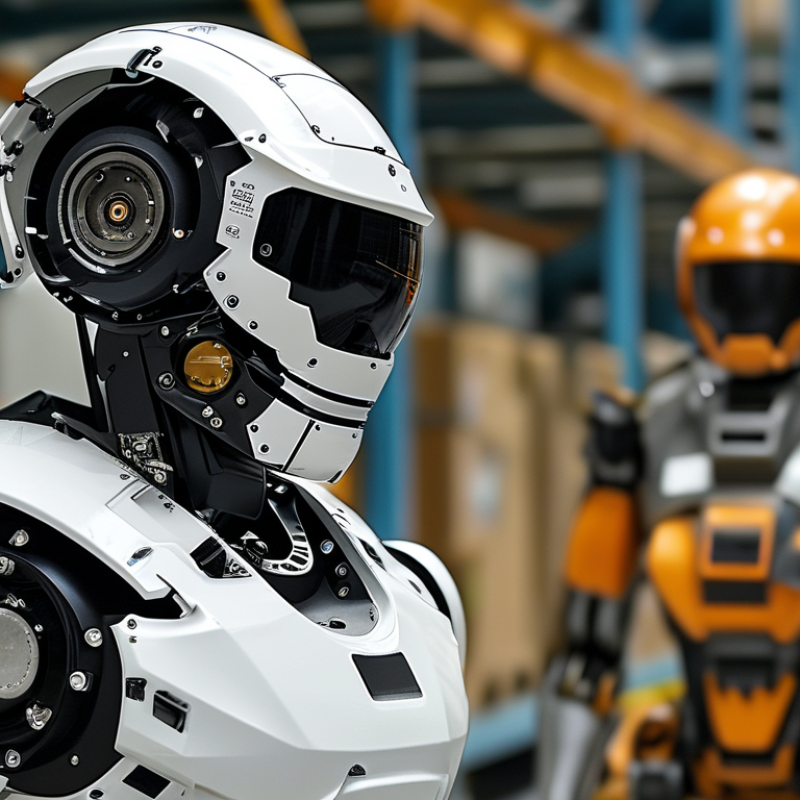
Overview of Robotics Battery Technologies in the Global Market
The robotics battery landscape is evolving rapidly. Lithium-ion remains a leader due to its high energy density. However, new technologies are emerging. Solid-state batteries present a promising alternative. They offer greater safety and longer life cycles. Researchers are exploring lithium-sulfur batteries as well. These batteries could significantly reduce weight while increasing capacity.
Consider the application when choosing a battery. Different robots have varying power requirements. Industrial robots often need reliable, heavy-duty batteries. Meanwhile, consumer drones may benefit from lighter solutions. Always assess charging times and lifespan. Longer-lasting batteries reduce downtime for maintenance.
Tips: Always verify battery specifications before purchase. Performance data can greatly vary across products. Test compatibility with your robot's design. Ensuring proper integration can prevent complications later.
Top 10 Robotics Battery Solutions for Global Buyers
| Battery Type | Energy Density (Wh/kg) | Cycle Life (cycles) | Charge Time (hours) | Operating Temperature (°C) | Cost per kWh (USD) |
| Lithium-ion | 150-250 | 500-2000 | 1-2 | -20 to 60 | 150-300 |
| NiMH | 60-120 | 300-500 | 2-4 | -20 to 50 | 200-400 |
| Li-Po | 100-200 | 300-1500 | 1-3 | -20 to 60 | 200-350 |
| Lead Acid | 30-50 | 200-300 | 8-12 | -20 to 50 | 100-250 |
| Solid State | 300-400 | 1000-3000 | 1-2 | -40 to 60 | 400-800 |
| Ultra Capacitor | 5-10 | 500,000+ | 0.1-0.5 | -40 to 65 | 1000-3000 |
| Lithium Iron Phosphate | 90-160 | 2000-5000 | 1-3 | -20 to 60 | 200-400 |
| Lithium Cobalt Oxide | 150-200 | 500-1200 | 2-4 | -20 to 55 | 250-500 |
| Nickel Cadmium | 40-60 | 1000-2000 | 1-5 | -20 to 50 | 150-300 |
| Zinc Air | 100-300 | 100-400 | 2-8 | -20 to 40 | 80-200 |
Key Criteria for Selecting Battery Solutions in Robotics Applications
When selecting battery solutions for robotics, key factors come into play. Capacity is critical. It directly impacts how long a robot can operate between charges. A higher capacity allows for extended use but can increase weight.
Tip: Consider the weight-to-energy ratio of batteries. A lighter battery correlates with better performance but may sacrifice longevity. You might face trade-offs, like choosing between capacity and mobility.
Voltage stability is also essential. Inconsistent voltage can disrupt robotics functions. It's vital to ensure the battery maintains a steady output. This impacts both performance and safety.
Tip: Evaluate the thermal characteristics of your battery choice. Extreme temperatures can affect performance. You'll need to ensure the battery can handle the operating environment of your robot.
Lastly, you cannot ignore lifecycle and safety ratings. Long-lasting batteries save costs in the long run. Understanding the cycle life helps predict when replacement may be necessary. Safety ratings ensure that your battery can withstand the stresses of use without failing.
When making these choices, be prepared to reflect on each option's implications. Balancing performance, safety, and efficiency is not an easy task. It requires thoughtful consideration of your robotic applications.
Top 10 Robotics Battery Solutions: Features and Specifications
When selecting a battery solution for robotics, key features and specifications are crucial. Capacity, weight, and discharge rates are critical metrics. A battery's capacity determines how long a robot can operate before needing a recharge. For instance, a higher capacity often means longer run times, which is essential for complex tasks. Weight affects the robot's mobility and energy efficiency. Lighter batteries can enhance agility and speed.
Another aspect to consider is the charging time and cycle life. Some batteries charge quickly but may degrade faster over time. Others take longer to charge yet offer durability for extended use. It’s vital to balance these features based on the application. Safety features are also a necessity. Battery management systems can prevent issues like overheating or overcharging, ensuring the reliability of the robotics platform.
Not every solution is flawless. Testing different configurations might reveal performance gaps or inefficiencies. An inappropriate choice can lead to operational delays or safety hazards. As the tech landscape evolves, staying informed about emerging technologies and trends in battery solutions remains essential. Adaptation is key to optimizing performance in robotics.
Comparative Analysis of Leading Robotics Battery Manufacturers
When evaluating robotics battery solutions, it is crucial to consider the expertise and innovations of various manufacturers. Each player in the market brings unique technology and designs. Some focus on energy density, while others emphasize longevity or rapid charging capabilities. This diversity allows buyers to choose solutions tailored to their specific needs.
A comparative analysis reveals notable differences in performance metrics. Battery life, cycle stability, and weight are critical factors. Some batteries perform well in extreme temperatures, while others may struggle under similar conditions. Buyers often overlook these variables, which could impact their robotics applications. Real-world testing is essential for assessment.
Additionally, supply chain reliability is a concern. Manufacturers may have differing sourcing strategies. Some depend on local materials, whereas others might face geopolitical risks. This variability can lead to inconsistencies in availability, making careful planning vital for end-users. Buyers should weigh performance against supply reliability when selecting batteries for robotics, ensuring they make informed decisions.
Future Trends in Robotics Battery Innovations and Sustainability
The future of robotics battery innovations hinges on sustainability. As the demand for robots increases, the need for efficient power sources grows. Traditional batteries often come with environmental concerns. Exploring eco-friendly alternatives is essential for the industry’s growth.
Researchers are looking into new materials. Solid-state batteries could offer enhanced safety and longevity. Their potential to reduce waste is promising. By shifting towards recyclable components, manufacturers can minimize their carbon footprint. This focus on green technology is crucial as companies strive for more responsible practices.
Energy density remains a key issue. Batteries must not only be sustainable but also powerful. Research into bio-based and lithium-sulfur batteries is underway. These options may provide the needed performance while being kinder to the planet. However, challenges like cost and scalability need addressing. Continued investment in research and innovation will help pave the way for a cleaner future in robotics.
Top 10 Robotics Battery Solutions: Capacity vs. Charging Time