
FAQs2024-06-21T06:05:11+00:00

Top 10 Types of Soft Dolls for Global Buyers

Soft Dolls remain a distinctive category in the global toy market. They combine tactile comfort, imaginative play, and gift appeal. Buyers may find them in cotton, plush, knitted, or character-based forms. Each type serves a different age group, price point, and retail channel.

Circana’s Global Toy Industry Report recorded a 7% decline in worldwide toy sales during 2023. The report also showed stronger demand for products offering emotional value and repeat play. However, Circana does not isolate Soft Dolls as a separate global category. That limitation matters. Market estimates can look precise while blending plush toys, baby products, and traditional dolls. This guide therefore compares practical signals, including materials, construction, safety documentation, packaging, and buyer preferences.

Developmental psychologist Dr. Kathy Hirsh-Pasek offers a useful perspective: “Play is not frivolous. Play is brain building.” Her observation explains why soft-bodied dolls can support role play, language practice, and emotional expression. It does not make every doll educational. Product quality still depends on stitching, washable fabrics, secure features, and age-appropriate design. Buyers should review test reports against applicable standards, such as EN 71 or ASTM F963, before placing orders. The following Top 10 Types of Soft Dolls for Global Buyers examines these differences closely. Expect familiar categories, but also a few uncomfortable questions. Is a charming design durable enough for daily handling? Can attractive packaging justify a higher wholesale price? Sometimes, the answer is no.
Top 10 Types of Soft Dolls for Global Buyers

Soft Doll Categories and Their Defining Features

Top 10 Types of Soft Dolls for Global Buyers

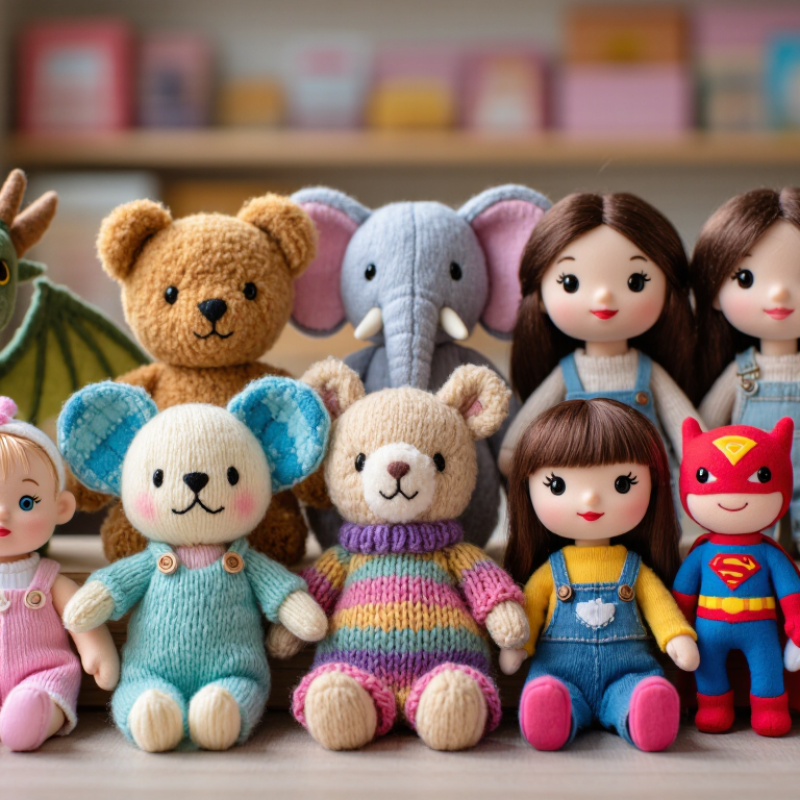
Soft dolls differ by shape, material, function, and emotional appeal. The category borders are messy. Ten practical types include plush animals, baby dolls, rag dolls, cloth dolls, Waldorf-style dolls, fashion dolls, cultural dolls, character dolls, therapeutic dolls, and interactive dolls.

Plush animals use dense pile fabric and rounded forms. Baby dolls often feature soft vinyl faces, fabric bodies, and washable clothing.

Rag dolls rely on stitched cotton bodies and embroidered facial details. Cloth dolls feel lighter and suit gentle, imaginative play.

Waldorf-style dolls usually have simple facial features and natural-looking fabrics. Fashion dolls focus on clothing changes, hair styling, and smaller proportions. Cultural dolls use regional dress, colors, and craft techniques. Character dolls depend on recognizable shapes, gestures, or story themes. Therapeutic dolls often use calming textures and weighted filling. Interactive dolls may include sound modules, but electronics increase testing and maintenance demands.

Grand View Research valued the global stuffed toys market at about 11.7 billion dollars in 2023. It projects a 7.8% compound annual growth rate through 2030. Allied Market Research gives a different forecast, reflecting broader product definitions. This difference matters when comparing supplier quotations.

Buyers should inspect seam strength, filling recovery, wash instructions, fiber labels, and age grading. A soft surface can hide weak stitching. I have seen attractive samples fail after repeated washing. That risk deserves more attention. Seasonal demand, freight volume, and local safety requirements also shape final costs.

Plush Animal Dolls for Comfort and Role Play

Top 10 Types of Soft Dolls for Global Buyers

Plush animal dolls bring comfort through familiar shapes, soft textures, and gentle expressions. The ten most useful types include teddy bears, rabbits, puppies, kittens, elephants, dinosaurs, farm animals, woodland creatures, sea animals, and fantasy animals. Each supports role play differently. A rabbit may become a bedtime friend, while a dinosaur can inspire adventurous storytelling. Large dolls suit quiet cuddling, but smaller ones travel more easily in a child’s backpack.

For global buyers, material quality matters more than a charming photo. I examine the fabric, filling, stitching, and attachment points before recommending a plush animal doll. Embroidered eyes are generally more suitable than loose decorative parts for younger children. Seams should feel firm, with no sharp edges or unpleasant odor. Soft polyester fabric is common, but recycled fibers may vary in touch and durability. Always check age guidance and required safety documentation for the destination market.

Washable designs help families manage daily spills. Removable clothing can add role-play value, although tiny accessories may create unnecessary concerns. I once favored highly detailed dolls, but simpler faces often feel more comforting and last longer. That lesson still needs testing across cultures, because preferences are not universal. Buyers should request samples, inspect stitching after washing, and confirm colorfastness. A plush elephant with oversized ears may delight one market, while a compact puppy may perform better in another. Comfort is personal, not perfectly predictable.

Top 10 Types of Soft Dolls for Global Buyers

Plush animal dolls for comfort and role play

Teddy bears and bunnies score strongly for comfort because of their familiar shapes and cuddly forms. Dogs, cats, dinosaurs, and fantasy animals provide more role-play opportunities through recognizable personalities and storytelling themes. Scores use a transparent 1–5 editorial product-selection index based on softness potential, visual familiarity, emotional appeal, and role-play versatility; they are not market-share estimates.

Character Dolls Inspired by Stories and Popular Culture

Character Dolls Inspired by Stories and Popular Culture

Character dolls turn familiar stories into soft, touchable companions. Their appeal comes from recognizable shapes, expressive faces, and memorable costume details. A sleepy explorer, forest creature, or brave little robot can create an instant emotional connection. These designs suit children’s rooms, gift collections, and themed retail displays.

For global buyers, material testing should guide every decision. Look for soft fabrics, secure stitching, embroidered facial features, and stuffing that stays evenly distributed. Small detachable parts may create safety concerns, especially for younger users. Age guidance must be clear and supported by reliable test reports. Requirements differ between markets, so experienced suppliers should provide current documentation and traceable production records.

Story-inspired dolls also require careful intellectual property review. Buyers should confirm that artwork, names, symbols, and character concepts are properly authorized. Original interpretations can work well, but they should not imitate protected designs too closely. I once underestimated how much a tiny costume detail affected customer recognition. The doll looked attractive, yet it felt less connected to the story. That was a useful mistake. Color accuracy, facial expression, and fabric texture often decide whether a character feels authentic. Some designs are wonderfully odd. They may sell better than polished, predictable versions. Still, comfort, durability, and responsible production should remain practical priorities for every international order.

Baby Dolls for Nurturing Play and Educational Use

Top 10 Types of Soft Dolls for Global Buyers

Baby dolls support nurturing play, language practice, and early social learning. UNICEF reports that 90% of brain development happens before age five. A soft baby doll can give children a simple way to imitate feeding, comforting, dressing, and bedtime routines. The learning is visible. A child may name body parts, describe emotions, or practice gentle touch. The UNICEF Learning through Play report also links playful interaction with communication and problem-solving skills.

For global buyers, practical design matters more than decoration. Look for embroidered facial features, securely stitched limbs, washable fabric, and soft filling without hard internal parts. Small details matter. A removable outfit can improve dressing practice, but tiny accessories may create avoidable risks. Suppliers should provide age grading, material declarations, and test documentation for relevant requirements, such as EN 71, ASTM F963, or ISO 8124. Grand View Research valued the global toys and games market at about US$108 billion in 2023, showing strong demand for varied play products. Still, market size does not prove educational value. In product sampling, some dolls look charming but have rough seams or clothing that frustrates small hands. Buyers should test grip, weight, washing performance, and stitching with real users. A doll cannot replace responsive adult interaction. That limitation deserves attention.

Handmade, Custom, and Eco-Friendly Soft Dolls

Top 10 Types of Soft Dolls for Global Buyers

Handmade, Custom, and Eco-Friendly Soft Dolls

Global buyers increasingly compare soft dolls beyond appearance. Grand View Research estimates that the global plush toys market will expand steadily through 2030. Fortune Business Insights also forecasts strong growth, although methods and market definitions differ. That difference deserves attention.

Handmade and Custom Soft Dolls

Handmade dolls offer visible craftsmanship. Look for tight stitching, reinforced seams, and evenly distributed filling. Experience matters here. Ask suppliers for close-up production photos and fiber-content records. Custom dolls can represent local features, family stories, or educational themes. A clear specification should cover size, colors, facial details, packaging, and delivery tolerances. Vague requests create expensive revisions.

Eco-Friendly Materials and Sourcing

Eco-friendly claims need evidence. The United Nations Environment Programme reports that textiles contribute around 2% to 8% of global greenhouse-gas emissions. Recycled polyester filling may reduce virgin material use, but it remains plastic. Important distinction. Organic cotton can feel soft and breathable, yet certification and dye-safety documents still matter. Small-batch production may reduce excess inventory. It can also increase sampling waste. Honest sourcing requires measuring both effects.

Safety and International Ordering

For international orders, request current test reports before production. EN 71 and ASTM F963 are widely used toy-safety frameworks, but destination requirements vary. Check age grading, small parts, flammability, accessible filling, and fastening strength. Use durable, right-sized packaging to limit shipping volume. A doll can be beautiful and responsible, but not automatically safe. That assumption needs challenging.

Conclusion

Soft Dolls come in a wide range of styles designed to support comfort, imagination, learning, and meaningful play. Major categories include plush animal dolls that encourage emotional comfort and role play, character dolls inspired by familiar stories or imaginative themes, and baby dolls that help children explore nurturing behavior, communication, and everyday routines. Each type has defining features such as softness, facial expression, size, clothing, sound elements, and suitability for different age groups.

Handmade, custom, and eco-friendly Soft Dolls offer additional value through unique designs, personalized details, sustainable fabrics, and thoughtful craftsmanship. For global buyers, selecting the right dolls requires attention to local preferences, cultural expectations, climate, material safety, packaging, price positioning, and age suitability. A successful product range should balance appealing appearance with durability, easy care, responsible material choices, and versatile play value, helping retailers serve different markets while meeting practical consumer needs.

Article Source:

Go to Top