
FAQs2024-06-21T06:05:11+00:00

Why Choose a Residual Circuit Breaker?

Why Choose a Residual Circuit Breaker?

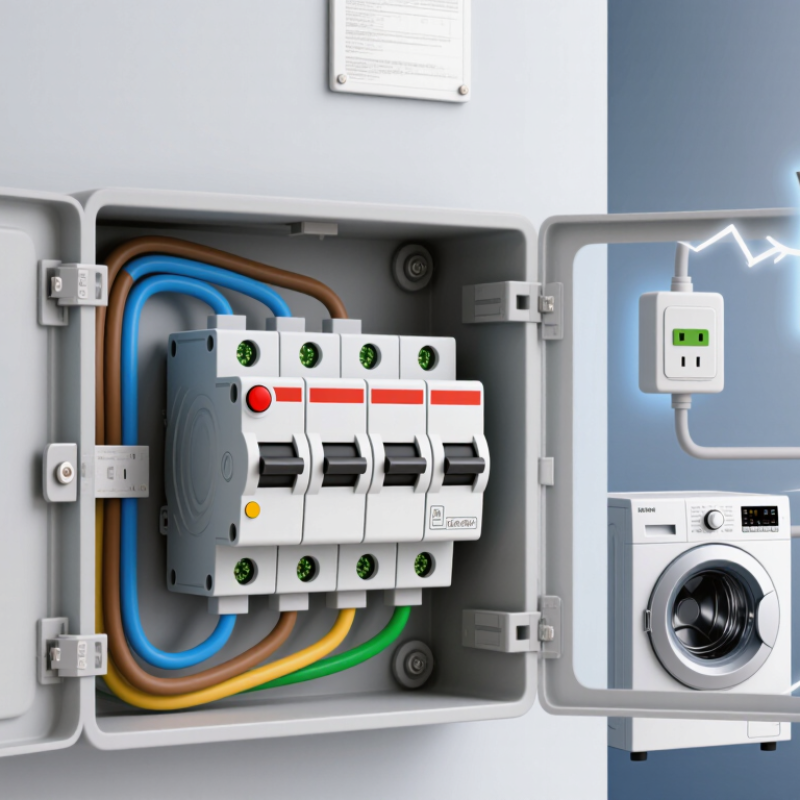
A Residual Circuit Breaker adds a vital layer of protection by monitoring current flowing through a circuit. When current leaks from its intended path, the device can disconnect the supply. That matters. A damaged cable behind a washing machine, dampness near an outdoor socket, or a worn appliance can create leakage that ordinary overcurrent protection may not detect quickly. The breaker is not a cure-all, but it can reduce the risk of electric shock and help limit certain electrical faults.

Electrical engineer Charles Dalziel’s pioneering research helped establish the principles behind ground-fault protection. A concise paraphrase of that work is: “Detect unintended leakage and disconnect the supply.” This is a paraphrase, not a verified verbatim quotation. The distinction matters when discussing safety. A residual-current device responds to an imbalance; an RCCB generally does not provide overload or short-circuit protection on its own. Selection must account for the circuit, connected equipment, and the protection already installed.

Choosing the right device means checking its type, rated sensitivity, and compatibility with the installation—not simply choosing the lowest price. A qualified electrician can assess those details, install the device correctly, and explain how to use its test button. Testing is easy to overlook. It should not be. Still, even a correctly selected breaker cannot prevent every shock or replace sound wiring, careful use, and regular inspection. The honest question is not whether one device makes a home completely safe. It does not. It is whether this added protection suits the risks in your specific installation.
Why Choose a Residual Circuit Breaker?

What a Residual Circuit Breaker Is and How It Works

Why Choose a Residual Circuit Breaker?

What a Residual Circuit Breaker Is and How It Works

A residual current circuit breaker (RCCB) monitors the current flowing through the live and neutral wires. In a healthy circuit, those currents should closely match. If some current escapes through damaged insulation, a wet surface, or a person, the difference triggers the breaker. It disconnects the circuit. That is the key. The device’s sensing coil detects imbalance; it does not identify the exact fault or prevent every shock. An RCCB also does not usually protect against overloads or short circuits, so separate overcurrent protection is needed.

The figures matter. IEC 61008-1 sets performance requirements for RCCBs: under specified test conditions, a general, non-delayed device may take up to 300 milliseconds to trip at its rated residual current, and 40 milliseconds at five times that current. These are test limits, not a promise that every real-world fault behaves identically. A 30 mA rating is commonly used for additional protection against electric shock, but correct selection depends on the circuit and local installation rules. Check the test button as directed by the manufacturer and have persistent tripping investigated. Resetting it repeatedly without finding the cause is a poor substitute for diagnosis.

How It Detects Earth-Leakage Currents

A residual circuit breaker detects leakage by comparing the current flowing out through the live conductor with the current returning through neutral. Under normal conditions, the two readings balance. A small sensing transformer monitors both wires; if current escapes through a damaged cable, damp wall, or person, the imbalance triggers the breaker’s trip mechanism. It disconnects the circuit when leakage reaches its rated operating threshold. That imbalance matters. IEC 61008-1 defines requirements for residual current circuit-breakers without integral overcurrent protection, so a separate device may still be needed for overloads and short circuits.

Sensitivity and device type matter. IEC 60364-4-41 specifies additional protection by an RCD rated at no more than 30 mA for certain socket-outlet circuits; local installation rules and conditions should be checked. NFPA’s 2022 Home Structure Fires report estimated an annual average of 32,620 U.S. home fires involving electrical distribution or lighting equipment from 2015 to 2019. These figures do not mean every such fire was caused by earth leakage, or that an RCD would prevent every fire. Still, they show why fault protection deserves careful attention. A breaker’s label is not a substitute for correct selection, wiring, and testing. In practice, the right choice can be less obvious than it looks, especially where electronic equipment may produce different leakage-current waveforms.

What Electrical Hazards It Helps Reduce

A residual circuit breaker helps reduce electric-shock risks by detecting current that escapes its intended path. It compares the current flowing out through a live conductor with the current returning through neutral. If the readings differ beyond its trip threshold, it disconnects the supply quickly. That response can limit exposure when a damaged cable energizes a metal tool, or when moisture creates a leakage path near a sink or outdoor socket.

The protection has limits. It may not detect every shock, especially when current passes between live and neutral without an imbalance. It also does not replace correct wiring, grounding, or overcurrent protection. A loose connection can still overheat, and a faulty appliance may remain dangerous before the breaker trips. Not a guarantee. In practice, check the device according to its instructions, and have persistent trips investigated rather than repeatedly resetting it. A damp garage floor, nicked extension lead, or appliance with a tingling metal case deserves attention. These are warning signs, not proof of a specific fault.

Why Choose a Residual Circuit Breaker? — Electrical Hazards It Helps Reduce

Common rated residual operating currents (IΔn) and their typical protective roles

Residual circuit breakers detect current leaking from its intended path and disconnect the supply, helping reduce the risk of electric shock and electrical fires. A 30 mA device is commonly used for additional protection against electric shock; higher-rated devices, such as 100 mA or 300 mA, may be used for fire protection or upstream protection. These ratings are trip thresholds, not guarantees of safety. The correct device depends on local regulations and the installation.

Where Residual Circuit Breakers Are Commonly Used

Why Choose a Residual Circuit Breaker?
Where Residual Circuit Breakers Are Commonly Used

Residual circuit breakers are commonly installed where electrical leakage could create a serious shock risk. They monitor the current flowing through live and neutral conductors. If the currents differ, the device can disconnect the circuit. That difference may indicate current escaping through damaged insulation or a person. Protection has limits, though; an RCCB does not detect every fault or replace overcurrent protection.

In homes, they are often used on circuits serving bathrooms, kitchens, laundry rooms, garages, and outdoor sockets. Water, damp surfaces, and worn appliance cords can increase risk. A garage outlet beside a concrete floor is one practical example. Small details matter. Construction sites and workshops may also use them, especially where portable tools move between locations. The correct device depends on the installation, expected leakage, and coordination with other protective equipment. A qualified electrician should assess these factors.

When a breaker trips, do not keep resetting it without checking the cause. Still, a trip is not always easy to interpret: several connected appliances may contribute to leakage. Testing the device using its test button, as instructed by the manufacturer, helps confirm its mechanism operates. It does not prove the entire circuit is safe. That distinction is easy to overlook.

Key Factors for Choosing the Right Type

Why Choose a Residual Circuit Breaker?
Key Factors for Choosing the Right Type

Start with the circuit and the equipment it supplies. A bathroom lighting circuit, a workshop socket, and a variable-speed appliance may produce different electrical conditions. Check the required residual operating current, often marked in milliamps, against the installation design and local electrical requirements. Lower thresholds can provide greater sensitivity, but the right value depends on the application. Small details matter.

The device type matters too. Type AC detects sinusoidal alternating residual current; Type A also detects certain pulsating direct currents. Some electronic equipment may call for a different type, so check its documentation and consult a qualified electrician. Match the breaker’s rated current and number of poles to the circuit. Also confirm whether it includes overcurrent protection: an RCCB generally needs separate overload and short-circuit protection, while an RCBO combines these functions. They are not interchangeable in every panel.

Coordination deserves attention. If several protective devices are installed, their operating characteristics should be considered to reduce unnecessary loss of power across multiple circuits. Check the enclosure space and connection arrangement before buying; a device that fits the specification on paper may not fit the panel. I still double-check the circuit schedule against the actual wiring. It is easy to miss a change made years ago. Testing and installation should follow the manufacturer’s instructions and be handled by a qualified professional.

Why Choose a Residual Circuit Breaker? - Key Factors for Choosing the Right Type
Selection Factor Options or Check How It Affects the Choice Practical Guidance
Protection required RCCB (residual-current protection only) or RCBO (residual-current and overcurrent protection) An RCCB does not provide overload or short-circuit protection. An RCBO combines those functions in one device. Choose an RCCB when suitable overcurrent protection is provided separately. Consider an RCBO for individual circuit protection.
Residual-current waveform Type AC, Type A, Type F, or Type B The type indicates which residual-current waveforms the device is designed to detect. Match the device type to the connected equipment and its instructions. Type A detects sinusoidal AC and pulsating DC residual currents; Type F and Type B cover additional waveform conditions.
Connected equipment Resistive loads, electronic equipment, variable-speed drives, or equipment that may produce smooth DC residual current Electronic power conversion can create residual-current waveforms that a basic Type AC device may not detect as intended. Check appliance or equipment documentation. Type F is intended for certain single-phase inverter or variable-speed applications; Type B is used where smooth DC residual currents may occur.
Rated residual operating current Common ratings include 30 mA, 100 mA, and 300 mA The rating describes the residual current at which the device is designed to operate under specified conditions. A 30 mA device is commonly used for additional protection against electric shock where required. Higher ratings may be used for other protection purposes; follow local regulations and the installation design.
Rated current and overcurrent protection Device current rating, circuit load, and upstream protective device For an RCCB, the rated current is not an overload trip setting. The circuit still needs appropriate overload and short-circuit protection. Coordinate the RCCB rating with the circuit design and its upstream overcurrent protection. For an RCBO, check its rated current and trip characteristics against the circuit requirements.
Poles and supply system Number of poles and single-phase or three-phase supply The device must suit the supply arrangement and the conductors that need to be switched and monitored. Confirm the required pole configuration and wiring arrangement against the panel design and local electrical rules.
Unwanted tripping and coordination Leakage current from connected equipment, circuit grouping, and selective time delay Cumulative normal leakage current can contribute to unwanted operation. Selective devices may help coordinate protection in suitable installations. Review expected leakage current and divide circuits appropriately. Use time-delayed or selective devices only where permitted and properly coordinated with downstream protection.
Standards and installation conditions Applicable electrical code, product marking, ambient conditions, and manufacturer instructions Rules and device requirements vary by country, application, and installation. Verify compliance with local regulations and have selection, installation, and testing carried out by a qualified electrical professional.

Important: A residual circuit breaker is one part of an electrical protection system. The correct device depends on the supply, connected loads, required protection, and applicable local standards.

Go to Top