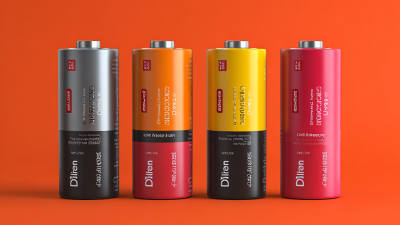
Why Choose D Cell Batteries for Global Buyers?
For global buyers, choosing d cell batteries is rarely about size alone. It is about dependable energy, predictable supply, and measurable performance in real operating conditions. D cells offer higher capacity than smaller cylindrical batteries, making them suitable for lanterns, emergency equipment, industrial meters, toys, and outdoor devices. They can support longer operating periods, especially where frequent battery replacement is inconvenient.
A careful buyer should examine chemistry, nominal voltage, capacity, discharge behavior, shelf life, and leakage resistance. Alkaline models may suit general consumer products, while lithium or rechargeable versions can serve different temperature and workload requirements. The choice depends on the device. It is not universal. A procurement team should request technical datasheets, batch information, safety documentation, and independent test evidence. Reliable suppliers should also explain packaging conditions, storage temperatures, and transport requirements. These details often reveal more than a polished product photograph.
International purchasing adds another practical layer. Buyers must verify labeling, recycling information, customs documents, and destination-market requirements before placing large orders. Recognized standards and documented quality systems can strengthen supplier confidence, but certification claims still require checking. One overlooked issue can affect an entire shipment. A small packaging weakness may cause damaged terminals, moisture exposure, or confusing inventory records. No battery is perfect. Even premium d cell batteries may underperform when stored poorly or used beyond their intended temperature range. Experienced buyers therefore compare total ownership cost, not only unit price. They review field feedback, warranty procedures, and replacement lead times. That disciplined approach supports safer decisions and more reliable global sourcing.
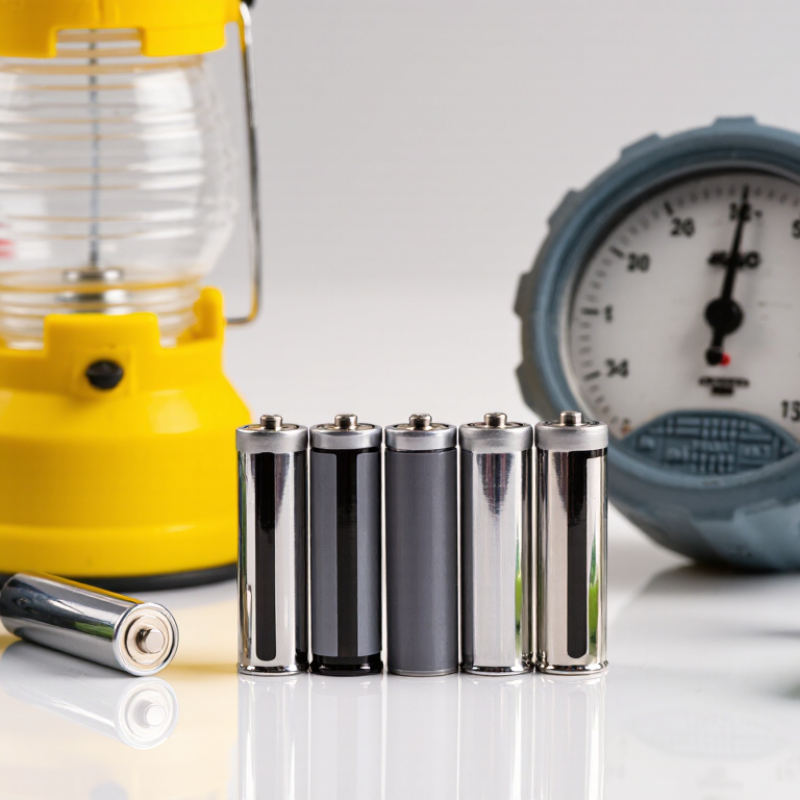
What Are D Cell Batteries and How Do They Work?
D cell batteries are large cylindrical power sources designed for devices needing steady, extended energy. A typical alkaline D cell provides about 1.5 volts when new. Rechargeable versions often provide around 1.2 volts. Their physical size allows more active material inside, which can support higher capacity than smaller cells. However, capacity varies with chemistry, temperature, storage time, and device demand.
Inside the battery, chemical reactions create a difference in electrical potential between two electrodes. When a device is connected, electrons move through the external circuit and produce usable current. Ions move through the internal electrolyte to balance this flow. That process powers equipment such as lanterns, emergency radios, sensors, and some industrial instruments. The simple explanation is incomplete. High-drain devices can reduce runtime sharply, even when the printed capacity appears impressive. In practical testing, cold conditions also caused weaker performance than expected.
Tips: Check the device’s required voltage and battery type before purchase. Do not mix fresh and partly used cells. Store batteries in a cool, dry place, away from direct heat. For global buyers, confirm packaging dates, transport conditions, and compliance documents. Rechargeable cells may reduce waste, but they need compatible chargers and careful cycle management. A small detail matters: loose batteries should not contact metal objects, because accidental contact can cause heating.
Key Features That Make D Cell Batteries Suitable for Global Buyers
Why Choose D Cell Batteries for Global Buyers?
D cell batteries suit buyers who need steady power in demanding equipment. Their larger casing stores more active material than smaller cylindrical cells. IEC 60086-1 identifies alkaline-manganese dioxide cells as having a nominal voltage of 1.5 volts. IEC 60086-2 also specifies dimensions, performance tests, and discharge conditions. These standards help importers compare suppliers with less guesswork.
Consistency matters in global purchasing. The International Energy Agency reported that battery demand across energy applications reached about 1 TWh in 2023, showing stronger attention to dependable storage and supply planning. D cells support flashlights, sensors, emergency radios, and industrial controls. Their common size simplifies replacement across several markets. They also remain practical where rechargeable infrastructure is limited.
Buyers should check capacity under real discharge rates, not only headline figures. Temperature performance deserves equal attention. Cold warehouses can reduce output, while hot transport conditions may shorten shelf life. Packaging must resist moisture, crushing, and terminal contact. I would request IEC-based test records, production dates, leakage controls, and samples from each shipment. A 2024 alkaline battery market analysis by Grand View Research places continued demand on portable devices and backup equipment, but market forecasts are not guarantees. Product selection still depends on load, storage time, transport route, and local disposal requirements.
How to Compare D Cell Battery Types, Performance, and Applications
Why Choose D Cell Batteries for Global Buyers?
How to Compare D Cell Battery Types, Performance, and Applications
D cell batteries suit equipment that needs steady power for longer periods. IEC 60086-1 classifies common D cells by size, voltage, and chemistry. Alkaline cells usually provide 1.5 volts, while nickel-metal hydride rechargeable cells provide 1.2 volts. That difference matters. Some lanterns, radios, and medical monitoring devices accept both types, but others require a specific voltage range.
Compare capacity under the same discharge test, not by label alone. Many alkaline D cells exceed 10,000 mAh in low-drain testing, while rechargeable NiMH D cells often deliver 8,000 to 12,000 mAh. Actual results change with temperature, load, and cutoff voltage. IEC 60086-2 performance tables help buyers compare standardized tests, although they cannot predict every field condition. High-drain motors usually benefit from NiMH’s lower internal resistance. Emergency lights may favor alkaline cells because they store well and require no charger. Lithium primary D cells can reduce weight, but their higher cost needs careful justification.
The U.S. Environmental Protection Agency reports that Americans discard more than three billion batteries each year. Recycling access should therefore influence global purchasing decisions. Check local collection systems before selecting rechargeable or primary cells. A spreadsheet can mislead. Test samples in the real device, at the expected temperature, and record runtime. Packaging claims are only a starting point.
| Battery Type | Common IEC Designation | Nominal Voltage | Typical Capacity Range* | Rechargeability | Typical Weight | Operating Characteristics | Expected Shelf Life | Best-Fit Applications | Key Purchasing Considerations |
|---|---|---|---|---|---|---|---|---|---|
| Alkaline | LR20 | 1.5 V | Approximately 12,000–18,000 mAh at low to moderate drain | Primary, non-rechargeable | Approximately 130–155 g per cell | Good general-purpose performance; suitable for intermittent and moderate-drain devices. Performance decreases in cold conditions and under high continuous loads. | Typically 5–10 years when stored correctly | Flashlights, emergency equipment, toys, radios, clocks, sensors, and household devices | Balanced cost, availability, and energy density. Check leakage protection, storage conditions, and transportation requirements. |
| Nickel-Metal Hydride (NiMH) | HR20 | 1.2 V | Approximately 8,000–12,000 mAh for common low-self-discharge formats | Rechargeable; commonly rated for several hundred cycles, depending on charging method and usage | Approximately 70–90 g per cell | Provides high power output and lower long-term waste than primary cells. Voltage is lower than alkaline, and capacity can decrease at low temperatures. | Typically 3–5 years; low-self-discharge models retain charge better during storage | High-drain flashlights, industrial instruments, toys, portable equipment, and frequent-use devices | Evaluate charger compatibility, cycle life, self-discharge rate, charging time, and the device's minimum operating voltage. |
| Lithium-Iron Disulfide Primary | FR20 or manufacturer-specific equivalent designations | 1.5 V nominal | Approximately 14,000–20,000 mAh, depending on discharge conditions | Primary, non-rechargeable | Approximately 85–105 g per cell | High energy-to-weight ratio, strong performance in cold environments, and good high-drain capability. Not intended for recharging. | Typically 10–20 years when stored within recommended conditions | Professional flashlights, outdoor equipment, emergency kits, cameras, and devices requiring low weight or long storage life | Usually costs more than alkaline. Confirm air-transport classification, terminal design, device compatibility, and manufacturer safety instructions. |
| Zinc-Carbon | R20 | 1.5 V | Approximately 3,000–8,000 mAh at low-drain conditions | Primary, non-rechargeable | Approximately 95–120 g per cell | Suitable for low-drain applications. Voltage stability, high-drain performance, and cold-weather performance are generally lower than alkaline alternatives. | Typically 2–3 years when stored correctly | Basic clocks, remote controls, low-drain lights, and cost-sensitive consumer products | Low purchase price can be attractive, but total cost may be higher where frequent replacement or higher capacity is required. |
What International Buyers Should Know About Quality and Compliance
Why Choose D Cell Batteries for Global Buyers?
D cell batteries suit lanterns, emergency radios, sensors, and other high-drain equipment. Their 1.5-volt format is widely recognized across international markets. The U.S. Environmental Protection Agency estimates that Americans purchase more than three billion household batteries yearly. That scale shows why consistent quality matters.
The U.S. Environmental Protection Agency estimates that Americans purchase more than three billion household batteries yearly.
Compliance and Performance
Compliance needs more than a supplier’s test sheet. IEC 60086-1 covers general requirements, while IEC 60086-2 defines performance tests for primary batteries. Buyers should request capacity results at stated loads, temperatures, and discharge cutoffs. A battery may perform well in a warehouse test, then weaken inside a cold outdoor device. I have seen specifications look complete, yet omit storage conditions. That gap deserves attention.
International Requirements
For European sales, Regulation (EU) 2023/1542 brings stronger obligations for conformity, labeling, documentation, and producer responsibility. The UN Manual of Tests and Criteria should also be reviewed when shipping designs or chemistries require transport testing. Requirements can change. So, verify the current destination rules before production.
Requirements can change. So, verify the current destination rules before production.
Tips:
Check voltage, shelf life, leakage resistance, batch codes, and carton markings. Ask for recent IEC-based reports, safety data, and traceable quality records. Compare samples from different production batches, not just one carton. Keep photos of labels and test conditions. Small details prevent expensive customs delays. No checklist is perfect. Review it after every shipment.
How to Select Reliable D Cell Battery Suppliers Worldwide
Why Choose D Cell Batteries for Global Buyers?
Selecting reliable D cell battery suppliers worldwide requires more than comparing prices. Start with samples. Test them in real equipment, such as emergency lights, portable radios, and industrial sensors. Check voltage stability, capacity, leakage resistance, and performance after storage. A supplier should provide clear batch numbers, production dates, shelf-life information, and safety data sheets. Ask for evidence.
Professional suppliers explain their quality controls without avoiding technical questions. Request independent test reports, factory inspection records, and details about raw material checks. For international shipments, confirm packaging strength, labeling accuracy, and required transport documents. Standards and certificates can support trust, but a certificate alone proves little. Verify its scope and validity.
A practical audit should examine warehouse humidity, stock rotation, and how rejected cells are isolated. Speak with the quality manager, not only a salesperson. Reliable communication matters when specifications change or a shipment is delayed. I have found that small sample differences can reveal larger process problems. No supplier is perfect. Even strong factories may have occasional inconsistent batches, so define acceptance limits before placing a large order. Keep retained samples and request corrective-action reports when results fall short. Price still matters, but predictable performance, traceability, and honest communication usually protect global buyers better than the lowest quotation.
Why Choose D Cell Batteries for Global Buyers?
Typical low-drain capacity comparison for common D-cell chemistries. Actual capacity varies with discharge current, temperature, storage age, and test standard.
D cells are selected for applications requiring higher energy storage than smaller cylindrical cells. For international sourcing, buyers should verify IEC size designation, nominal voltage, tested capacity, leakage protection, shelf life, safety documentation, and consistency between production batches. Representative capacities shown are approximately 8,000–12,000 mAh for NiMH, 12,000–18,000 mAh for alkaline, and 15,000–20,000 mAh for lithium thionyl chloride D cells under low-drain conditions.
Related Posts
-
How to Choose the Best D Cell Batteries for Your Devices and Projects
-
Exploring Innovative Alternatives to D Cell Batteries for Sustainable Power Solutions
-
Ultimate Guide to Double A Batteries Comparing Performance Lifespan and Efficiency
-
Navigating Import Export Certifications for the Best Hearing Aid Batteries Market
-
Market Insights for Best aa Lithium Ion Battery in 2025 Proven Strategies to Maximize Your Purchase
-
How to Choose the Best Rechargeable AA Batteries for Your Devices