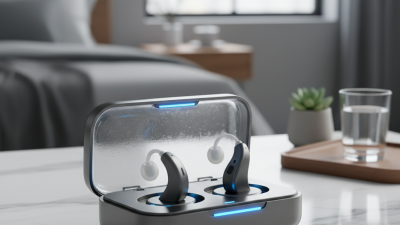
2026 Best Rechargeable Hearing Aid Batteries to Buy?
Choosing rechargeable hearing aid batteries in 2026 takes more than comparing prices. The right option depends on your hearing aid’s design, daily listening hours, and charging setup. Some models use replaceable rechargeable cells; others have batteries built inside the hearing aids. Check the manufacturer’s manual before buying. A battery that looks compatible may still fit poorly or perform differently.
Small details matter. Think about whether you can get through a full day of calls, television, and conversations before recharging. Check the stated capacity, expected runtime, charging time, and whether a charger is included. If you travel, a compact charging case can be useful beside a hotel-room key or in a crowded carry-on. But advertised runtime is not a guarantee. Streaming, age, and volume settings can change real-world performance.
That difference matters.
This guide will compare practical features, compatibility, and likely ownership costs, rather than treating one battery as best for everyone. It will also note when replacement cells are relevant and when a rechargeable hearing aid must be serviced as a complete device. I have to be careful here: product specifications can change, and marketing claims do not always reflect a listener’s routine. Confirm model numbers and current guidance with the manufacturer or a qualified hearing-care professional. Never force a cell into a compartment or use an unapproved charger. With those checks, you can narrow the choices and find an option that suits your needs—not just a product with an appealing label.
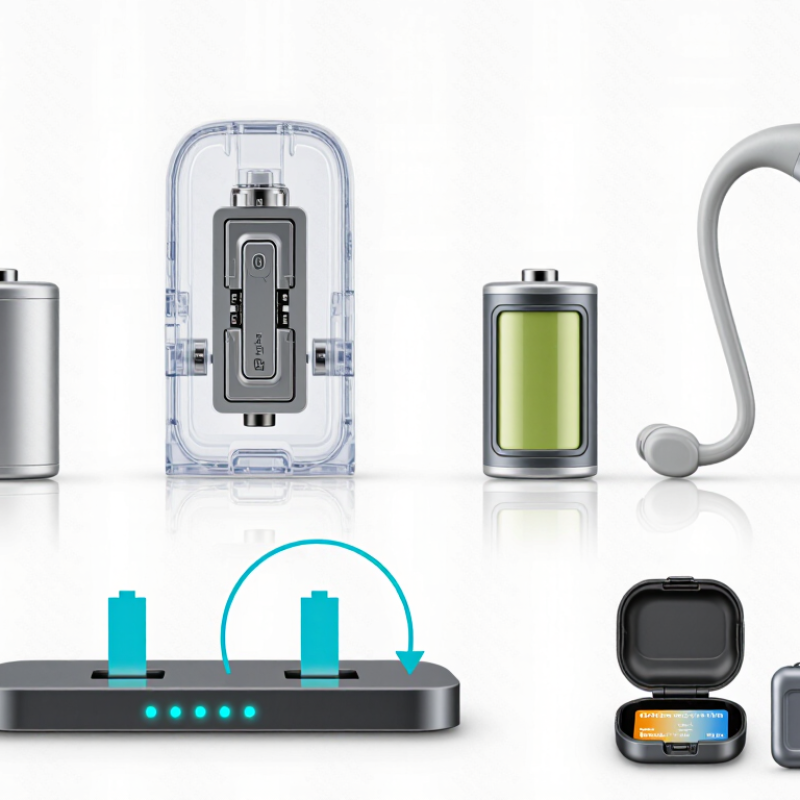
Rechargeable Hearing Aid Batteries: Lithium-Ion and Nickel-Metal Hydride Compared
In 2026, the best rechargeable hearing aid battery is the one your device is designed to use. Lithium-ion batteries are common in hearing aids with built-in rechargeable cells. They offer compact power and convenient overnight charging. A full day’s use may be possible, but streaming, high volume, and battery age can shorten runtime. Actual results vary.
NiMH batteries are often found in compatible replaceable-cell systems. They may suit people who prefer carrying spare cells, though they generally store less energy than lithium-ion batteries of similar size. Their performance depends on the charger, cell condition, and how often the aids stream audio. Neither chemistry is automatically better. Fit matters.
Never swap chemistries or chargers unless the hearing aid maker confirms compatibility; the wrong setup can damage equipment. I’d check the manual before buying, even when a battery appears to fit. That detail is easy to miss.
Tips: Charge hearing aids on a dry, stable surface, and check the charging contacts for dust. Keep a simple runtime note for a week: charge time, hours worn, and streaming use. It can reveal whether a battery is fading or your routine has changed. Also ask an audiologist about replacement options if runtime drops sharply. A small caveat: daily habits are not always consistent, so one short test may mislead.
Runtime Benchmarks: Assess Manufacturer Claims of 16–30 Hours per Charge
A 16–30-hour runtime range is wide enough to change how confidently you can plan a day. Treat manufacturer figures as test conditions, not guarantees. To compare rechargeable hearing aids fairly, begin each test with a full charge and use the same device settings, listening schedule, and streaming pattern. Record the time when the low-battery warning appears, then note when the device stops working. Small details matter. A long commute with streamed audio may drain a charge faster than quiet listening at home.
Repeat the test on several days, not just once. Keep volume and Bluetooth use consistent, and avoid comparing a fresh battery with one that has seen months of daily charging. That matters. If a claim promises 30 hours, check whether that figure includes streaming or reflects lighter use. Many published claims do not spell out every condition, so real-world results may differ. A simple log can reveal useful patterns: note charging time, hours worn, streaming minutes, and any early warnings. The method is imperfect; daily routines are hard to reproduce exactly. Still, repeated observations are more useful than relying on one unusually good day.
Rechargeable Hearing Aid Battery Runtime Claims
The stated claim span is 16–30 hours per charge. These bars show the lower and upper claim endpoints, not independently measured runtimes. Actual runtime varies with device settings, streaming use, and battery condition.
Charging and Battery Life: Compare Cycle Ratings, Recharge Time, and Warranty
When comparing rechargeable hearing aid batteries, check rated full-charge cycles, not just the number of times you place the device in its charger. Battery University’s technical review, BU-808, reports roughly 300–500 cycles for many lithium-ion cells before capacity falls to about 80 percent. That is a general cell estimate, not a hearing-aid guarantee. IEC 61960-3:2017 sets performance and cycle-life test methods for portable lithium cells, but real service life still depends on heat, charging habits, and daily use. Small differences matter.
Compare the stated recharge time with your routine: a three-hour charge may suit overnight charging, while a longer recharge can be inconvenient after a missed night. Check whether the maker defines battery life under streaming or mainly quiet listening; Bluetooth use can shorten a day’s runtime. Warranty terms deserve the same scrutiny as cycle ratings. Confirm the coverage period, battery-capacity threshold, and whether the charger is included. Ask for those details in writing. Real life is messier. I would not choose a device on cycle count alone; published ratings rarely reproduce a warm bedside table, a hurried morning, or years of actual use.
2026 Best Rechargeable Hearing Aid Batteries to Buy? — Charging and Battery Life
| Comparison | Built-in Lithium-Ion Rechargeable Hearing Aids | Replaceable Rechargeable Silver-Zinc Cells |
|---|---|---|
| Best suited for | People who prefer to place the hearing aids in a compatible charging case rather than handle small batteries. | People whose hearing aids are specifically designed for compatible replaceable rechargeable cells. |
| Cycle-life rating | There is no universal cycle rating for hearing aids. Check the device maker’s published battery-life or service-life information and test conditions. | Ratings depend on the specific cell and charger. Check the cell’s stated cycle rating; do not assume cells of the same size have the same rating. |
| Recharge time | Typically designed for overnight charging; the exact time and any quick-charge feature are model-specific. | Set by the compatible charger and cell. Follow the charger instructions; charging time is not interchangeable across systems. |
| Battery-life comparison | Daily runtime depends on hearing-aid settings, streaming use, battery condition, and temperature. Compare the stated runtime under similar conditions. | Runtime varies with cell capacity, hearing-aid power demand, and cell condition. Compare published runtime for the exact compatible cell. |
| Warranty | Coverage is set by the hearing-aid seller or manufacturer; confirm whether the rechargeable battery is covered and for how long. | Coverage is set by the cell seller or manufacturer. Check exclusions, proof-of-purchase requirements, and whether the charger is covered separately. |
| Compatibility | Usually specific to the hearing-aid model and its charging case. Confirm compatibility before buying. | Requires a hearing aid and charger designed for that cell type and size. Do not substitute a cell based on size alone. |
| Buying check | Ask for the stated recharge time, expected runtime, battery-service policy, and warranty terms in writing. | Verify the exact cell type, charger compatibility, cycle-rating test conditions, recharge time, and warranty terms. |
Note: Cycle ratings, recharge times, runtimes, and warranty coverage are model- and seller-specific; there is no single standard value that applies to all rechargeable hearing-aid batteries. Confirm the current specifications for the exact hearing aid, cell, and charger before purchase.
Compatibility Check: Match the Hearing Aid Model, Charger, and Battery Type
A rechargeable hearing aid battery is not a universal part. Check the exact hearing aid model in its manual or on the device label before buying. Some aids have a built-in rechargeable cell; others use a removable battery. A charger made for one design may not fit another, even when the devices look similar.
Looks close? Check twice.
Match all three pieces: hearing aid, battery, and charger. Note the battery type and size listed by the manufacturer, then confirm that rechargeable replacements are explicitly supported. Common disposable sizes, such as 10, 312, 13, and 675, do not guarantee rechargeable compatibility. The charger also needs the correct cradle shape and electrical specifications. Don’t force a battery into place.
That assumption is risky.
If the manual is unclear, ask a hearing-care professional to verify the model and compatible charging system. This small check can prevent poor contact, unreliable charging, or damage to the device. Keep the charger and hearing aids dry, and stop using them if you notice unusual heat, swelling, or a damaged case. Compatibility details can change between model versions, so confirm the full model number, not just the device’s appearance.
Best 2026 Choices by Need: Balance Runtime, Comfort, and Ongoing Support
For 2026, the best rechargeable hearing aid battery choice depends on how you use your devices each day. Track your routine for a few days: note streaming time, phone calls, and whether you wear the aids from morning to bedtime. These habits can affect runtime, so compare a device’s stated battery life with your own needs rather than relying on one number. A charging case that fits your bedside table may be more useful than extra features you rarely use. Small details matter.
Comfort includes more than the fit of the hearing aids. Consider whether charging is simple with your hand strength and vision, and whether the case is easy to pack for travel. Ongoing support matters, too. Ask a hearing care professional how battery performance may change over time, what service is available, and whether the battery can be replaced by a qualified technician. That trade-off is easy to overlook: rechargeable models reduce the need to handle small disposable cells, but charging becomes part of your daily routine. Keep the charger accessible, and check the device’s care instructions before cleaning or storing it.
Related Posts
-
Best Rechargeable Hearing Aid Batteries for 2026 Guide?
-

Top Rechargeable Hearing Aid Batteries for 2026 What to Know?
-
7 Compelling Reasons to Choose the Best CIC Rechargeable Hearing Aids for Your Hearing Needs
-
How to Choose the Best Rechargeable AA Batteries for Your Devices
-
How to Choose the Right Hearing Aid Batteries for Your Needs?
-
How to Choose the Right AA Batteries for Your Devices: Essential Tips