
10 Best AA Alkaline Batteries for Wholesale Buyers
Wholesale battery purchasing is rarely about finding the cheapest carton. It is about securing dependable performance, predictable supply, and acceptable margins across many customer uses. This guide examines 10 best aa alkaline batteries for wholesale buyers, focusing on practical details that influence real purchasing decisions.
The evaluation considers capacity, shelf life, leakage resistance, packaging quality, temperature tolerance, and consistency between batches. A fresh carton should feel well sealed, with clear dates and undamaged terminals. Small details matter. Weak packaging can create avoidable returns.
Performance claims also need careful checking. Laboratory capacity does not always match results in toys, wireless keyboards, barcode scanners, or emergency lights. Buyer feedback, manufacturer documentation, and sample testing provide stronger evidence together. We recommend comparing several cells under similar loads before placing a large order.
Price alone can mislead. A lower unit cost may become expensive when batteries leak, arrive with short shelf life, or show uneven output. Supplier communication matters too, especially when buyers need private labeling, mixed quantities, or repeat deliveries.
No ranking is perfect. Product availability changes by region, season, and order volume. Even respected brands may produce disappointing results in certain applications. That uncertainty deserves attention. Wholesale buyers should treat this list as a practical starting point, not a final purchasing decision. Check current specifications, request samples, and confirm return terms before committing inventory. This approach supports more reliable sourcing and helps protect customer trust.
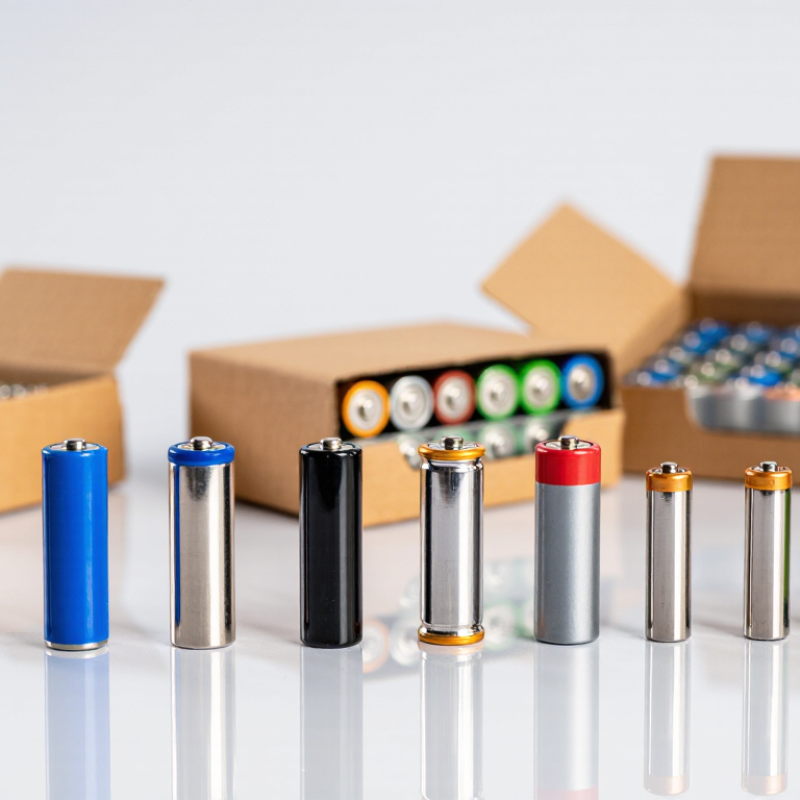
AA Alkaline Battery Basics and Wholesale Buyer Requirements
AA alkaline batteries remain a practical wholesale item for remotes, toys, sensors, and emergency equipment. Under IEC 60086-1, the AA format uses a nominal 1.5-volt system. However, stated capacity is not universal. It changes with discharge current, temperature, and cutoff voltage. A battery lasting well in a wall clock may perform poorly in a camera flash. This matters.
Wholesale buyers should verify LR6 classification, dimensions, terminal design, shelf life, and leakage resistance. Request test records based on IEC 60086-2, not only marketing claims. The U.S. National Electrical Manufacturers Association also provides dimensional and performance guidance through ANSI C18.1M. Packaging deserves equal attention. Cartons should resist crushing, show batch codes, and protect terminals from short contact during transport. Small details reduce warehouse losses.
Market demand is steady, but forecasts differ. Grand View Research reported continued growth in the alkaline battery market, supported by household and industrial applications. Another market study from Mordor Intelligence projected moderate expansion through the decade. These estimates are useful, not absolute. I have seen purchasing plans fail when buyers trust forecasts without checking local seasonality. Test samples from several production lots. Compare open-circuit voltage, high-drain performance, leakage observations, and storage behavior. Do not judge only by the first reading. A fresh 1.5-volt result can hide weak capacity. For wholesale approval, require traceability, clear safety documentation, and a defined replacement process when defects appear. Specs alone are insufficient.
| Rank | Wholesale Battery Profile | Recommended Use | Electrochemistry | Nominal Voltage | Typical Capacity Range* | Standard Size | Typical Unit Weight | Storage Life Target | Operating Temperature | Wholesale Buyer Priority |
|---|---|---|---|---|---|---|---|---|---|---|
| 1 | High-Capacity General-Purpose AA | Remote controls, clocks, toys, flashlights and household devices | Alkaline manganese dioxide / zinc | 1.5 V | 2,400–2,850 mAh | AA / IEC LR6 | 22–24 g | 5–10 years | Approximately −18°C to 55°C | Balanced capacity, broad compatibility and low landed cost |
| 2 | Leak-Resistance-Focused AA | Long-term storage, emergency kits and seasonal inventory | Alkaline manganese dioxide / zinc | 1.5 V | 2,300–2,700 mAh | AA / IEC LR6 | 22–24 g | 7–10 years | Approximately −18°C to 55°C | Documented leakage-control design and stable storage performance |
| 3 | Value Bulk-Pack AA | Promotional bundles, institutional supply and high-volume retail | Alkaline manganese dioxide / zinc | 1.5 V | 2,000–2,500 mAh | AA / IEC LR6 | 21–24 g | 5–8 years | Approximately −18°C to 55°C | Low unit cost, efficient carton utilization and reliable availability |
| 4 | High-Drain Alkaline AA | Motorized toys, portable audio devices and brighter flashlights | Alkaline manganese dioxide / zinc | 1.5 V | 2,200–2,700 mAh | AA / IEC LR6 | 22–24 g | 5–10 years | Approximately −18°C to 55°C | Voltage retention under intermittent and moderate-drain loads |
| 5 | Low-Temperature AA | Outdoor sensors, cold-weather equipment and winter-use kits | Alkaline manganese dioxide / zinc | 1.5 V | 1,800–2,400 mAh | AA / IEC LR6 | 22–24 g | 5–10 years | Approximately −20°C to 55°C | Cold-weather discharge data and packaging suitable for temperature changes |
| 6 | Premium Shelf-Life AA | Backup equipment, safety products and slow-drain electronics | Alkaline manganese dioxide / zinc | 1.5 V | 2,300–2,800 mAh | AA / IEC LR6 | 22–24 g | 8–10 years | Approximately −18°C to 55°C | Low self-discharge, date coding and strong inventory protection |
| 7 | Private-Label-Ready AA | Retail programs requiring custom packaging without changing the standard cell format | Alkaline manganese dioxide / zinc | 1.5 V | 2,200–2,700 mAh | AA / IEC LR6 | 22–24 g | 5–10 years | Approximately −18°C to 55°C | Packaging flexibility, minimum-order clarity and consistent batch specifications |
| 8 | Retail-Ready Multi-Pack AA | Supermarkets, hardware stores, e-commerce and convenience retail | Alkaline manganese dioxide / zinc | 1.5 V | 2,200–2,700 mAh | AA / IEC LR6 | 22–24 g | 5–10 years | Approximately −18°C to 55°C | Clear expiry information, barcode space and tamper-resistant packaging |
| 9 | Industrial-Use AA | Maintenance departments, test instruments and workplace equipment | Alkaline manganese dioxide / zinc | 1.5 V | 2,000–2,600 mAh | AA / IEC LR6 | 22–24 g | 5–10 years | Approximately −18°C to 55°C | Batch traceability, technical documentation and dependable case supply |
| 10 | Eco-Packaging AA | Retailers seeking reduced plastic use and efficient transport packaging | Alkaline manganese dioxide / zinc | 1.5 V | 2,100–2,600 mAh | AA / IEC LR6 | 22–24 g | 5–10 years | Approximately −18°C to 55°C | Recyclable paperboard options, compact cartons and documented materials |
*Capacity is an indicative range because actual performance depends on discharge current, cutoff voltage, temperature, storage conditions and test method. AA alkaline cells are generally non-rechargeable and should be purchased with clear date coding, batch traceability and safety documentation.
Related Posts
-
How to Choose AA Alkaline Batteries in 2026?
-

How to Choose the Best AA Alkaline Batteries for Your Needs?
-
What is the Difference Between AA Alkaline Batteries and Other Battery Types
-
Top Benefits of Using AA Alkaline Batteries for Global Buyers?
-

Envisioning 2025: How the Best CIC Rechargeable Hearing Aids Will Transform the Hearing Industry
-
Market Insights for Best aa Lithium Ion Battery in 2025 Proven Strategies to Maximize Your Purchase