
China Best Hearing Aid Batteries for Global Buyers?
For global buyers, China is an important sourcing base for hearing aid batteries, but low prices alone cannot prove dependable quality. The World Health Organization’s World Report on Hearing estimates that over 1.5 billion people live with hearing loss worldwide. By 2050, this figure could reach 2.5 billion. Such demand makes stable battery supply a practical healthcare concern, not merely a purchasing preference.
Reliable evaluation should begin with battery chemistry, size, voltage stability, and storage performance. Zinc-air models, including sizes 10, 13, 312, and 675, require air activation before use. A buyer may notice a slow start, weak sound, or shorter runtime when seals or packaging perform poorly. IEC 60086-2 provides relevant safety and performance requirements for primary batteries, while ISO 13485 can indicate a manufacturer’s medical-device quality management approach. These standards do not replace independent testing. They are useful checkpoints.
China-based suppliers can offer flexible packaging, private labeling, and scalable production. However, buyers should request recent test reports, batch traceability, leakage evaluations, expiry dates, and samples from actual production lots. Small details matter. A clean blister seal can protect shelf life during humid ocean transport. No supplier is perfect. Even published capacity figures may vary with hearing-aid settings, temperature, and daily streaming use. This guide examines China’s leading hearing aid batteries through evidence, manufacturing experience, and buyer-focused checks. The aim is not to name the cheapest option, but to identify dependable value for clinics, distributors, and users worldwide.
Types of Hearing Aid Batteries Made in China
China Best Hearing Aid Batteries for Global Buyers?
Types of Hearing Aid Batteries Made in China
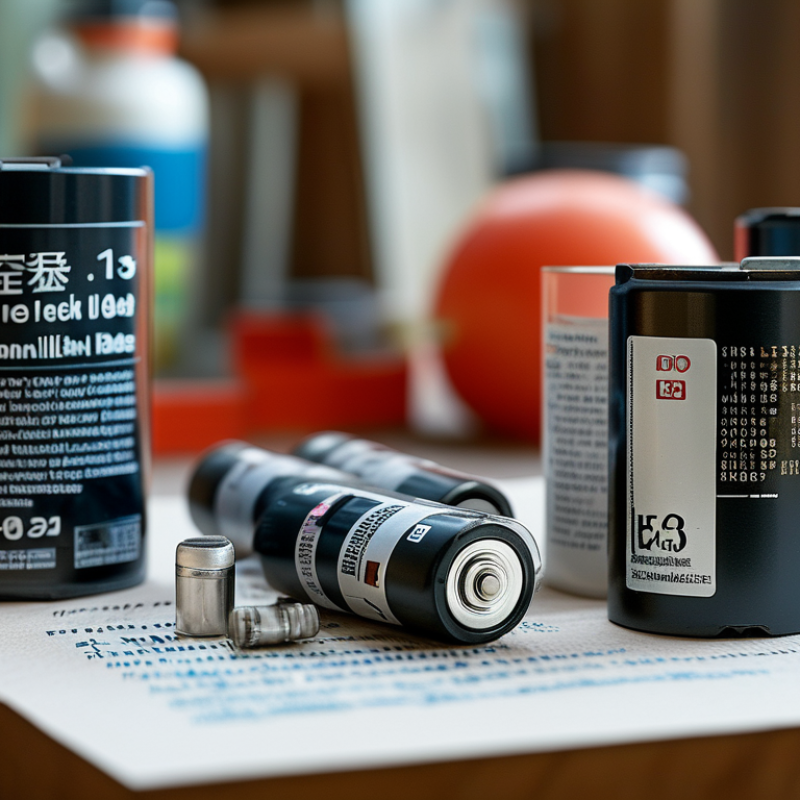
Chinese manufacturers produce several hearing aid battery types for different devices and user routines. Zinc-air cells remain the most common disposable option. They use air through a peel-off tab. Sizes 10, 13, 312, and 675 fit many behind-the-ear and in-the-ear models. Keep the tab sealed until use. Air exposure starts activation.
Rechargeable lithium-ion systems are also widely produced for modern hearing aids. They usually contain a built-in battery and require a matched charging case. Buyers should verify nominal voltage, capacity, charging cycles, and operating temperature. A higher capacity number does not always mean longer daily use. Hearing aid settings matter.
Some suppliers offer silver-zinc rechargeable cells, although availability and compatibility can vary. Ask for test reports, safety data, production dates, and traceable lot numbers. Check leakage resistance and stable output under low temperatures. Packaging quality matters during humid sea transport. I would not judge quality from price alone. That shortcut often fails. Independent sample testing is wiser. Confirm compliance with destination-market requirements and applicable battery transport standards. Small details decide reliability.
Key Quality Standards for Chinese Hearing Aid Batteries
China Best Hearing Aid Batteries for Global Buyers?
Key Quality Standards for Chinese Hearing Aid Batteries
Reliable hearing aid batteries should meet consistent electrical, dimensional, and safety requirements. For zinc-air cells, buyers should request test records aligned with relevant IEC 60086 standards. These records should show nominal voltage, capacity, discharge performance, and shelf life. A stable voltage curve matters because weak output can reduce sound clarity. It can also shorten daily operating time.
Factory controls deserve equal attention. An ISO 9001 quality system can support documented procedures, but certification alone proves little. Ask for batch numbers, raw material records, production dates, and traceability reports. Examine the sealing quality around the air holes. The adhesive tab should remove cleanly without tearing the zinc-air seal. Poor sealing may activate the cell early. Leakage testing, dimensional checks, and accelerated aging tests should be completed by qualified laboratories, preferably operating under ISO/IEC 17025 principles.
Global buyers should compare samples under real hearing aid loads, not only open-circuit voltage. Test several batches at room temperature and in cooler conditions. Record activation time, usable hours, voltage stability, and package condition. Check whether the packaging states storage guidance, polarity, size, and disposal information clearly. Requirements can differ between destination markets, so local compliance review remains necessary. No inspection plan is perfect. I would still avoid relying on one impressive sample, because consistency matters more than a single strong result.
How Global Buyers Can Evaluate Chinese Battery Suppliers
Global buyers should evaluate Chinese hearing aid battery suppliers beyond unit price. The WHO World Report on Hearing (2021) estimates that over 1.5 billion people live with hearing loss worldwide. More than 430 million require rehabilitation services. This demand makes stable battery performance commercially important.
Ask each supplier for recent test reports, production records, and traceable batch numbers. Zinc-air cells should match the relevant IEC 60086-2 size and performance requirements. Check capacity, activation time, discharge stability, shelf life, and leakage resistance. Request samples from different production batches. Test them in the same hearing devices, at the same room temperature, for realistic comparison. Small differences matter.
Look closely at factory controls. An ISO 9001 certificate helps, but it does not replace battery testing. Review incoming material inspection, seal quality, humidity control, and final sampling procedures. A supplier should explain its corrective-action process when a batch fails. Ask for packaging photos, carton labels, and storage instructions. The WHO report projects that nearly 2.5 billion people may have hearing loss by 2050, increasing pressure on reliable supply chains. Yet forecasts do not guarantee quality.
I would also compare minimum order quantities, lead times, and replacement policies. A cheaper cell may become costly after leakage complaints or delayed shipments. One weakness remains: short sample tests cannot predict every storage condition. Buyers should conduct longer trials before signing large contracts. Keep written records.
Packaging, Shelf Life, and Storage Requirements
China Best Hearing Aid Batteries for Global Buyers?
Packaging, Shelf Life, and Storage Requirements
The WHO World Report on Hearing (2021) estimates that 1.5 billion people live with hearing loss. By 2030, this figure may reach 2.5 billion. This demand makes packaging control essential for global buyers.
Most disposable hearing-aid cells use zinc-air chemistry. Their pull tabs seal small air holes. Once removed, activation begins, even before fitting. IEC 60086-2:2021 provides discharge-test methods for these cells. Buyers should request lot numbers, production dates, test conditions, and conformity documents. A practical shelf-life target is 24–36 months when batteries remain sealed and properly stored. It is not universal. Formulation, packaging quality, and humidity can change performance. Cartons should resist crushing and clearly show size, polarity, and expiry information. Mixed production lots create avoidable confusion.
Tips: Store sealed batteries at 10–25°C, away from sunlight, condensation, and chemicals. Keep original blister packs intact. Do not refrigerate them. Condensation may weaken seals. Rotate inventory by earliest expiry date. Inspect swollen packs, loose tabs, and corrosion before shipment. Labels can look perfect while cartons have absorbed moisture. Sampling is necessary. Independent laboratory testing can verify capacity and leakage resistance. IEC 60086-2 supports test selection, but supplier-specific validation remains important. “Long shelf life” is a claim, not proof. Ask for retained-sample data.
Import, Compliance, and Purchase Considerations for Global Buyers
China Best Hearing Aid Batteries for Global Buyers?
For global buyers, “best” means more than a low factory quotation. Zinc-air batteries need stable voltage, reliable sealing, and predictable activation after removing the tab. Ask suppliers for recent test reports, production dates, shelf-life data, and batch traceability. Small details matter. A loose tab can reduce customer confidence.
Import compliance requires careful document control. Confirm the correct customs classification with your broker before shipment. Check destination rules for labeling, packaging, chemical declarations, and recycling marks. Requirements may differ between markets, even for the same battery type. Request commercial invoices, packing lists, certificates of origin, and applicable conformity documents. For rechargeable products, verify charger and battery safety requirements separately.
Purchase terms also deserve attention. Compare samples from multiple production batches, not only one approved sample. Test leakage resistance, activation time, voltage stability, and performance under normal storage conditions. Clarify minimum order quantities, warranty handling, inspection rights, and replacement procedures. A low price can hide weak quality control. No checklist is perfect. Some buyers overlook humidity during warehouse storage, then blame the supplier months later. Written specifications reduce that risk. Independent pre-shipment inspection can add cost, but it may prevent larger losses. Contact with the manufacturer should remain clear, documented, and technically specific.
China Best Hearing Aid Batteries for Global Buyers? - Import, Compliance, and Purchase Considerations for Global Buyers
| Data Dimension | Typical Industry Data | Import or Purchase Relevance | Buyer Verification Point |
|---|---|---|---|
| Common chemistry | Zinc-air, non-rechargeable | The dominant disposable chemistry for conventional hearing aids; activation requires removal of the sealing tab and exposure to air. | Confirm that the product is zinc-air and not a lithium or rechargeable battery if the hearing-aid model requires disposable cells. |
| Standard sizes | 10, 312, 13, and 675 | These sizes cover many behind-the-ear, in-the-ear, in-the-canal, and receiver-in-canal hearing-aid designs. | Match the size marking, dimensions, polarity, and hearing-aid manufacturer specification before ordering. |
| Nominal voltage | Approximately 1.4 V for zinc-air cells | Voltage behavior is affected by air access, discharge current, humidity, and storage conditions. | Request a discharge curve or test report rather than relying only on the printed voltage. |
| Approximate IEC dimensions | Size 10: about 5.8 mm diameter × 3.6 mm height; size 312: about 7.9 mm × 3.6 mm; size 13: about 7.9 mm × 5.4 mm; size 675: about 11.6 mm × 5.4 mm | Dimensional consistency is important for reliable insertion and electrical contact. | Compare production tolerances with the applicable IEC battery-size requirements and the device fit specification. |
| Typical service duration | Often several days to approximately two weeks, depending on size, hearing-aid power demand, wireless functions, usage hours, and environmental conditions | A lower purchase price may not represent better value if usable operating time is shorter. | Use a defined test protocol, such as a specified discharge current and end-point voltage, when comparing suppliers. |
| Shelf-life expectation | Common commercial target: approximately 2–4 years when sealed and stored correctly | Longer remaining shelf life reduces stock-loss risk for distributors and clinics. | Set a minimum remaining shelf-life requirement at shipment, such as 70%–80% of the declared shelf life. |
| Recommended storage | Cool, dry, indoor storage; avoid excessive heat, moisture, direct sunlight, and damaged seals | Poor storage can increase leakage risk, reduce capacity, and shorten shelf life. | Request storage records, carton condition requirements, and shipment protection specifications. |
| Relevant international standards | IEC 60086-1 and IEC 60086-2 are key references for primary batteries and applicable battery dimensions and performance requirements | Standards-based testing improves consistency across factories and export markets. | Obtain the current test report, laboratory scope, sample identification, and test date. |
| Typical HS classification reference | Air-zinc primary cells are commonly associated with HS heading 8506.60; national tariff extensions may differ | Incorrect classification can cause customs delays, duty errors, or document discrepancies. | Confirm the final 8–10 digit code with the destination-country customs authority or a licensed customs broker. |
| Core export documents | Commercial invoice, packing list, transport document, certificate of origin where applicable, and product specification or test documents | Complete and consistent documents support customs clearance and buyer receiving procedures. | Ensure quantities, cell sizes, carton counts, net weight, gross weight, and declared values match across documents. |
| Transport classification | Zinc-air batteries are not lithium batteries; transport treatment still depends on construction, packaging, carrier rules, and destination regulations | Air, sea, express, and postal carriers may apply different documentation and packaging requirements. | Ask the carrier or freight forwarder whether an SDS, transport declaration, or special packaging statement is required. |
| European Union considerations | The EU Battery Regulation 2023/1542 introduces requirements covering sustainability, labeling, producer responsibility, collection, and documentation | Importers may have obligations in the country where batteries are first placed on the EU market. | Check applicable dates, registration, labeling, extended-producer-responsibility, and conformity requirements for the specific product. |
| United States considerations | Importers should review federal battery, labeling, consumer-product, transport, and state environmental requirements | Requirements may differ by product type, packaging, state, and sales channel. | Confirm importer-of-record duties, labeling language, recycling obligations, and any retailer compliance program. |
| Quality-control checkpoints | Visual inspection, dimensions, open-circuit voltage, discharge capacity, leakage resistance, seal integrity, and batch traceability | Pre-shipment inspection helps control inconsistent performance and damaged packaging. | Define acceptance limits, sampling level, inspection timing, and corrective-action procedures in the purchase contract. |
| Commercial terms to compare | Unit price, minimum order quantity, packaging configuration, remaining shelf life, payment terms, lead time, Incoterm, warranty, and defect allowance | The lowest unit price may produce a higher landed cost after freight, duty, inspection, returns, and inventory loss. | Compare total landed cost and usable capacity per cell rather than price alone. |
Note: Technical values are typical reference ranges for disposable zinc-air hearing-aid batteries. Final compliance, tariff classification, transport, labeling, and producer-responsibility requirements must be verified for the destination market and shipment route.
Related Posts
-
How to Choose the Best Hearing Aid Batteries for Your Needs?
-
Top Brands of Double A Batteries in China for Every Need?
-
Top Rechargeable Hearing Aid Batteries for 2026 What to Know?
-
Empowering Innovation: How Chinese Manufacturing Leads the Charge with Best Double AA Batteries
-
Exploring the Rise of CIC Rechargeable Hearing Aids Market Trends at 2025 China 138th Canton Fair
-
Navigating Import and Export Certifications for the Best Battery Operated Hearing Aids