How to Choose the Best Hearing Aid Batteries for Your Needs?
Choosing the right hearing aid batteries is essential for effective hearing assistance. Dr. Sarah Mitchell, an audiologist with over a decade of experience, states, "The right battery can enhance your hearing aid's performance significantly." Selecting hearing aid batteries may appear straightforward, but there are many options and factors to consider.
Different hearing aids require specific batteries. The size and type of your device will influence your choice. For example, some aids use zinc-air batteries, while others may rely on rechargeable options. Understanding these variations is crucial. It's not just about picking any battery; it's about finding the best fit for your lifestyle.
Reliability is paramount. Low-quality batteries can lead to performance issues, leaving wearers frustrated. The right batteries should last long and perform efficiently. It's worth occasionally re-evaluating your choices. Are you using the best batteries for your needs? Always consult with a professional or consider user reviews to refine your options.
Understanding Different Types of Hearing Aid Batteries Available
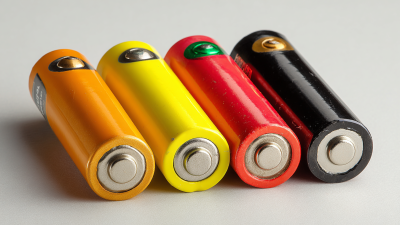
When selecting hearing aid batteries, understanding the types available is crucial. Generally, there are two main types: zinc-air and rechargeable batteries. Zinc-air batteries are popular for their affordability and ease of use. They are activated by air, providing strong power for most devices. However, they can lose power quickly once unsealed, which may lead to wasted battery life.
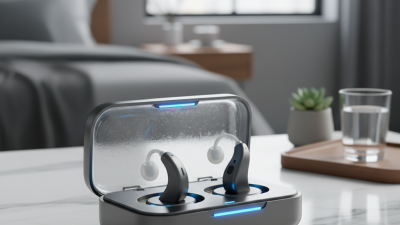
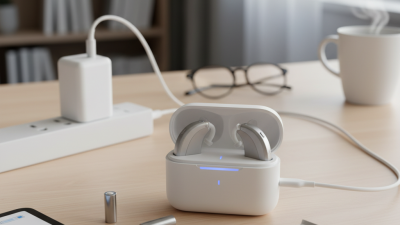
Rechargeable batteries are gaining traction due to their convenience. Users appreciate their sustainability and ability to reduce waste. These batteries often come with charging cases, making it easy to keep them ready. Yet, they might require more frequent charging compared to traditional batteries, which could be inconvenient for some users.
Each type has advantages and disadvantages. Consider your lifestyle when choosing. If you frequently use your hearing aids, rechargeable batteries may be more suitable. Conversely, if you prefer simple, quick replacements, zinc-air might be better. Reflecting on your daily routine can guide you to the best choice. The right battery ensures your hearing aids function optimally, enhancing your overall experience.
Factors to Consider When Choosing Hearing Aid Batteries
When selecting hearing aid batteries, several factors should be on your radar. Battery size is crucial. Many hearing aids use standard sizes like 10, 312, 13, or 675. Check your device specifications to avoid mismatches.
Battery life matters too. Some batteries last longer than others. Frequent replacement can be cumbersome. Evaluate your usage patterns. If you use your hearing aids daily for long hours, opt for higher-capacity options.
Tips: Consider using a battery tester. It ensures you never run out unexpectedly. Store batteries in a cool, dry place. This can extend their lifespan. Check expiration dates regularly. Old batteries might not perform well, leading to frustrating experiences.
It's essential to choose quality over price. Cheaper options may not last long or perform effectively. User reviews can provide insights into performance and reliability. When in doubt, consult professionals for advice tailored to your specific needs.
Comparing Lifespan and Performance of Various Battery Types
When choosing hearing aid batteries, understanding their lifespan and performance is crucial. Research indicates that zinc-air batteries are commonly used in hearing devices. These batteries typically last between three to twenty days, depending on usage. In contrast, rechargeable lithium-ion batteries have gained popularity. They can endure approximately four to five years, yet they may require more frequent charging for heavy users.
Another key consideration is the performance of different battery types under varying conditions. For instance, zinc-air batteries can be affected by humidity and temperature. High humidity can lead to faster depletion. On the other hand, lithium-ion batteries may perform better in extreme temperatures. A 2021 study showed that lithium-ion batteries maintained 85% of their capacity even in challenging conditions.
It's essential to balance lifespan and reliability. Not all batteries perform the same for every device or user. Some users report that they prefer zinc-air for its immediate power. Others favor lithium-ion for long-term use despite a higher initial cost. The trade-offs can create confusion. By evaluating individual needs and device compatibility, one can find the best solution for optimal hearing aid function.
Environment and Usage Impact on Hearing Aid Battery Life
Choosing the right hearing aid batteries often goes beyond brand preference. Environmental factors play a crucial role in battery life.
According to a study by the National Institute on Deafness and Other Communication Disorders, temperature and humidity significantly influence battery performance. In warmer or humid conditions,
batteries can deplete faster. You might notice your hearing aids running low when spending time outdoors in such climates.
Usage habits are also important. Regularly using hearing aids in noisy environments can drain batteries quicker.
The Hearing Loss Association of America states that using Bluetooth technology or streaming music can further reduce battery life.
It’s essential to assess your daily activities. If you frequently engage in activities that require additional power, your choice of battery matters.
While some batteries promise long-lasting power, they might not always deliver as expected. Studies reveal that even high-performance batteries can underperform in extreme conditions.
If you find yourself changing batteries often, consider adjusting your usage patterns or exploring alternatives. Sometimes, small changes in how you use your hearing aids can improve battery efficiency.
Tips for Properly Maintaining and Storing Hearing Aid Batteries
When it comes to maintaining hearing aid batteries, proper care is essential for optimal performance. Storing your batteries correctly can extend their lifespan significantly. Always keep batteries in a cool, dry place. Avoid direct sunlight or high humidity. This prevents them from draining quickly.
Regularly check your batteries for any signs of corrosion. A small amount of moisture can lead to leaks. If you notice any rust or residue, replace the battery immediately. Proper maintenance also includes cleaning the battery contacts in your hearing aid. Use a soft, dry cloth to wipe them gently.
Don’t forget to keep track of the expiration dates. Batteries lose their charge even if unused. It’s wise to replace them as they approach expiration. Also, remember to buy according to your usage needs. Sometimes, you may need a larger supply, and other times, a smaller batch will suffice. Both approaches have their benefits but reflect your routine.
Battery Life Comparison of Hearing Aid Batteries
The chart above compares the average battery life of different sizes of hearing aid batteries. Size 10 typically lasts around 3 days, while Size 675 can last up to 20 days. Understanding these differences can help you choose the best battery for your hearing aid and ensure proper maintenance.