
What Are the 2026 Top AA Battery Replacement Types?
Choosing an AA battery replacement is no longer a simple matter of picking the cheapest pack. Devices now range from wall clocks and wireless mice to camera flashes, outdoor sensors, and emergency radios. Each application demands a different balance of voltage stability, capacity, shelf life, rechargeability, and cold-weather performance.
Isidor Buchmann, founder of Cadex Electronics and a respected battery educator, states, “A battery is a device that converts chemical energy into electrical energy.” That basic principle still matters in 2026. Alkaline batteries remain practical for low-drain household devices. Nickel-metal hydride batteries offer a reusable option for toys, controllers, and frequent-use electronics. Lithium AA cells provide low weight, long storage life, and reliable performance in demanding conditions. Zinc-carbon cells may still appear in budget products, but their lower capacity limits their appeal.
The “top” choice depends on the device.
A perfect replacement rarely exists. A high-capacity rechargeable cell may disappoint in a shelf-stored emergency flashlight if it slowly loses charge. Conversely, a disposable lithium cell can be wasteful in a child’s frequently used toy. We also need to question labels that promise extreme endurance without clear testing conditions. Temperature, discharge rate, charger quality, and actual device demand can change results dramatically. This guide compares the leading AA battery replacement types for 2026, using practical performance, safety, cost, and environmental considerations rather than marketing claims alone. Expect useful answers, but not artificial certainty.
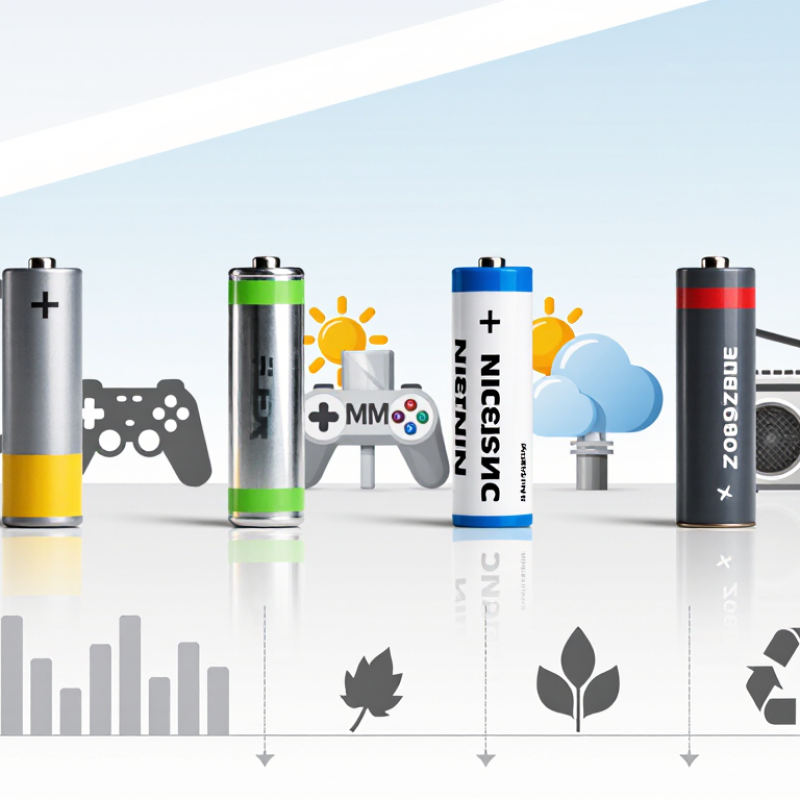
AA Battery Basics and Key Replacement Criteria
What Are the 2026 Top AA Battery Replacement Types?
AA batteries usually use three main chemistries: alkaline, nickel-metal hydride (NiMH), and lithium primary. IEC 60086-1 lists about 1.5 volts for standard primary cells. NiMH cells provide about 1.2 volts. That lower reading worries many users, but it often suits cameras, toys, and flashlights. NiMH is rechargeable and reduces repeated battery purchases. Lithium primary cells are lighter and perform better in freezing conditions. They also usually offer longer storage life. The 2024 Battery Market Report from IMARC identifies consumer electronics as a major demand area, but market growth does not make one chemistry universally better.
Replacement decisions need more than voltage. Check the device manual, current draw, battery compartment, and charging instructions. For remote controls and wall clocks, alkaline remains practical. For game controllers and bright flashlights, high-capacity NiMH often gives better long-term value. IEC 61951-2 covers rechargeable NiMH requirements, including performance and safety testing. Capacity figures can mislead. A label showing 2,500 mAh does not guarantee the same runtime under every discharge rate. I still see this mistake in real household testing.
Tips: Match the chemistry to the device. Never mix old and new cells. Never combine rechargeable and non-rechargeable batteries. Store spare cells in a cool, dry drawer. If a device behaves strangely with NiMH, test a fresh 1.5-volt alkaline cell. That comparison can reveal a voltage-sensitive design.
What Are the 2026 Top AA Battery Replacement Types? - AA Battery Basics and Key Replacement Criteria
| Replacement Type | Chemistry | Nominal Voltage | Rechargeable | Typical Capacity Range | Typical Weight | Approximate Shelf Life | Best-Fit Applications | Key Replacement Considerations |
|---|---|---|---|---|---|---|---|---|
| Alkaline AA | Zinc–manganese dioxide with an alkaline electrolyte | 1.5 V | No | 1,800–2,800 mAh at low to moderate drain | Approximately 23–24 g | About 5–10 years when stored correctly | Remote controls, clocks, toys, flashlights, household electronics | Common direct replacement for devices specified for standard 1.5 V AA cells. Capacity decreases under high continuous drain. |
| Rechargeable NiMH AA | Nickel–metal hydride | 1.2 V | 1,900–2,800 mAh | Approximately 26–31 g | Typically 3–5 years in storage, depending on self-discharge and condition | Digital cameras, game controllers, toys, wireless accessories, high-drain devices | Lower nominal voltage than alkaline, but usually suitable for compatible devices. Use a charger designed for NiMH cells. | |
| Low-Self-Discharge NiMH AA | Nickel–metal hydride with low-self-discharge design | 1.2 V | 1,900–2,500 mAh | Approximately 25–30 g | Often retains most stored charge for about 1 year; usable life commonly several years | Emergency equipment, seasonal devices, household electronics used intermittently | Useful when batteries must remain ready between uses. Confirm that the device accepts a 1.2 V rechargeable cell. | |
| Lithium Primary AA | Lithium–iron disulfide | 1.5 V | No | Approximately 2,500–3,000 mAh, depending on load | Approximately 14–16 g | Often up to 15–20 years under suitable storage conditions | Outdoor equipment, cameras, smoke alarms, cold-weather and long-storage applications | Lightweight and strong in cold or high-drain use. Do not recharge, mix with different chemistries, or use where the device prohibits lithium primary cells. |
| Zinc–Carbon AA | Zinc–manganese dioxide with an acidic electrolyte | 1.5 V | No | Approximately 600–1,600 mAh | Approximately 18–22 g | About 2–3 years | Low-drain clocks, simple remotes, basic low-power devices | Lower cost but lower capacity and poorer high-drain performance than alkaline cells. Replace promptly if leakage or reduced output appears. |
| Rechargeable NiCd AA | Nickel–cadmium | 1.2 V | Approximately 600–1,000 mAh | Approximately 20–25 g | Typically 1–3 years in storage, depending on condition | Legacy equipment specifically designed for NiCd cells | Generally not a preferred modern replacement because of lower capacity, memory-effect concerns, and cadmium-related environmental restrictions. Follow local disposal rules. | |
| 14500 Lithium-Ion Cell | Lithium-ion | 3.6–3.7 V | Approximately 600–1,000 mAh | Approximately 18–22 g | Usually several years when stored partially charged and within recommended conditions | Only equipment specifically designed for 14500 lithium-ion cells | Not a direct AA replacement. Its voltage is much higher than standard AA cells and may damage ordinary AA-powered equipment. Requires compatible protection and charging equipment. |
Related Posts
-
Top 10 Types of AA Batteries for Global Buyers?
-
How to Choose the Best Double AA Batteries?
-
What Is the Strongest AA Battery for International Buyers?
-
China Top Double AA Batteries Suppliers for Global Buyers
-
How to Choose the Strongest AA Batteries in 2026?
-
Top 5 Benefits of Using Double A Batteries for Your Everyday Devices