
How to Choose the Best D Cell Batteries for Your Needs
Choosing the best d cell batteries starts with the device, not the price tag. A camping lantern used for several hours each evening has different demands from a radio kept in an emergency kit. Check the manufacturer’s manual for the required size, voltage, and supported battery chemistry. D cells may look interchangeable, but alkaline and rechargeable NiMH batteries can differ in voltage, runtime, and charging needs. That matters.
Compare more than the number printed on the package. Look at stated capacity, shelf life, operating temperature, and cost per use. For equipment used occasionally, long storage life may matter more than rechargeable convenience. For frequently used devices, rechargeables could reduce waste and repeat purchases, provided the device supports them. A battery tester can help assess older cells, but it cannot predict every device’s runtime. Small details count: a cold garage, a dimming flashlight, or batteries left in a drawer for years can change what works best.
Reliable selection also means checking the label and following the device maker’s guidance. Avoid mixing old and new cells, or different chemistries, in one device; uneven discharge may cause problems. Store batteries in a cool, dry place, and remove them from equipment that will sit unused. There is no universal winner. Even a careful comparison has limits, because brands may test capacity under different conditions. Use the figures as a guide, then consider how your own devices perform.
Understanding D Cell Battery Size and Chemistry
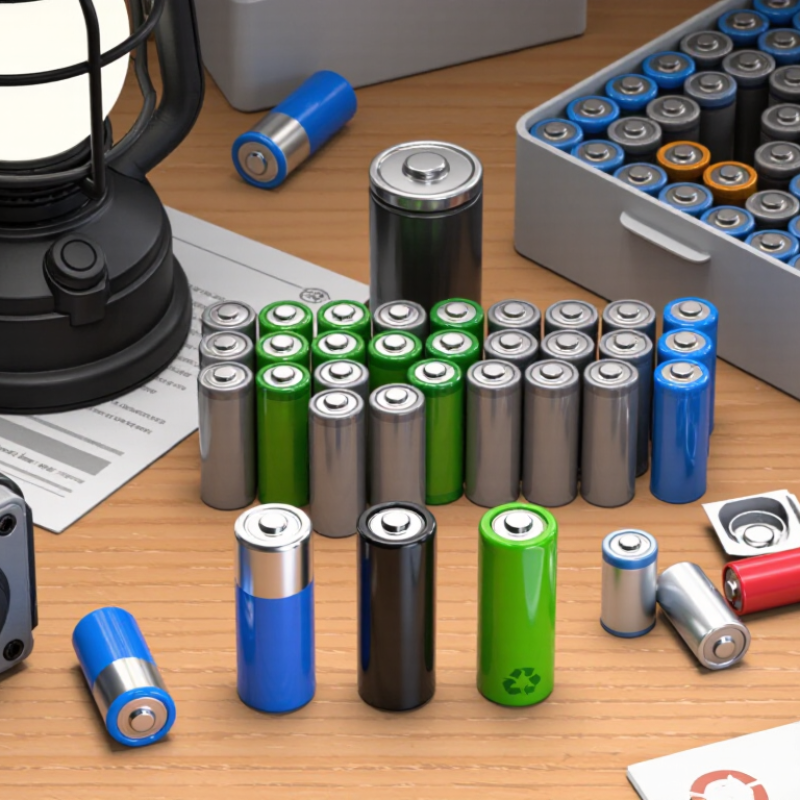
D cell batteries share a standard size, but their chemistry affects how they perform. A typical D cell measures about 34 millimeters across and 61.5 millimeters long. Check your device’s battery compartment, since older equipment may have tight contacts or unusual markings. Alkaline cells usually provide 1.5 volts and suit many everyday devices, including flashlights and radios. Their actual runtime depends on the device’s power demand, temperature, and battery quality.
Tips: Match the chemistry to the device’s instructions. Rechargeable nickel-metal hydride (NiMH) D cells commonly supply 1.2 volts, which may not suit every device. Check voltage requirements before buying. Also compare capacity ratings, but treat them as estimates; testing conditions differ. Small details matter.
Zinc-carbon D cells can cost less, but they often deliver less energy under sustained loads than alkaline cells. NiMH cells can be reused, though they require a compatible charger and may need recharging before use. Do not assume a larger capacity figure guarantees longer service in your flashlight or toy. Devices draw power differently, and cold conditions can reduce performance. Battery labels are useful, not perfect. When uncertain, follow the equipment maker’s guidance and replace cells as a complete set.
| Battery Type or Factor | Key Specifications | Advantages | Limitations and Best Uses |
|---|---|---|---|
| D Cell Size and Compatibility | |||
| Standard D cell dimensions | Approximately 34.2 mm (1.35 in) in diameter and 61.5 mm (2.42 in) in height. | Provides a useful reference when checking a device’s battery compartment. | Check the device manual and battery markings; dimensions and fit should not be assumed from a picture or product description alone. |
| Voltage compatibility | Most common disposable D cells are 1.5 V nominal; rechargeable nickel-metal hydride (NiMH) D cells are typically 1.2 V nominal. | Many devices designed for standard 1.5 V cells also work with NiMH cells. | Verify the device’s permitted voltage and performance requirements, especially for equipment that needs a particular voltage to operate correctly. |
| Compare Common D Cell Chemistries | |||
| Alkaline | 1.5 V nominal; primary (not rechargeable). | Widely available and suitable for many everyday devices. Often offers good runtime in low- to moderate-drain applications. | Useful for flashlights, toys, and household equipment. Runtime depends on the device’s current draw, temperature, and the cell’s age. |
| Zinc-carbon | 1.5 V nominal; primary (not rechargeable). | Can be a basic option for devices that use little power. | Generally less suitable than alkaline cells for high-drain devices or long operating periods. Consider for low-drain use when the device permits it. |
| Nickel-metal hydride (NiMH) | 1.2 V nominal; rechargeable. Capacity varies substantially between cells. | Can be recharged many times with a compatible charger, reducing disposable-cell use in frequently used devices. | Check that the device works with 1.2 V cells and use a charger intended for the cell type and size. Some D-size products contain a smaller cell inside a D-size case, so capacity is not determined by size alone. |
| Nickel-cadmium (NiCd) | 1.2 V nominal; rechargeable. | Can supply power for some applications that support NiCd cells. | Cadmium is a hazardous substance, and NiCd cells are restricted or regulated in many regions. Choose only where permitted and follow local collection and recycling rules. |
| Lithium thionyl chloride | Typically 3.6 V nominal; primary chemistry used in specialized cells. | Designed for certain long-life, low-current industrial or monitoring applications. | Not a direct substitute for ordinary 1.5 V D cells. Use only when the equipment specifically requires this chemistry and voltage. |
| Choose for Your Device | |||
| Occasional household use | Usually compare alkaline cells with the device’s stated requirements. | Convenient where batteries are replaced infrequently. | Remove cells from equipment that will be stored for a long time, and replace leaking or damaged cells promptly. |
| Frequent use | Consider rechargeable NiMH cells if the device is compatible. | Repeated recharging may reduce the number of disposable cells used over time. | Include charger compatibility and the device’s 1.2 V performance in the decision. |
| High-drain equipment | Check the device manual and compare cells intended for higher current demand. | The right chemistry can provide more suitable performance under heavier loads. | Capacity ratings are measured under specific test conditions; actual runtime can be much shorter at high drain or low temperature. |
| Storage and safety | Store cells in a cool, dry place and keep them away from metal objects that could bridge the terminals. | Careful storage helps reduce short-circuit and leakage risks. | Do not mix old and new cells, different chemistries, or rechargeable and non-rechargeable cells in one device. Follow the device instructions and local recycling guidance. |
| Capacity note: D-cell capacity is not a fixed value. It varies by chemistry, cell design, discharge rate, temperature, and test method. Compare published capacity figures only when the test conditions are similar. | |||
Related Posts
-
How to Choose the Best D Cell Batteries for Your Devices and Projects
-
Why Choose D Cell Batteries for Global Buyers?
-
Top 10 AA Lithium Batteries Which One Is Best?
-
Navigating Import Export Certifications for the Best Hearing Aid Batteries Market
-
Revolutionizing Sound: Why Bluetooth Rechargeable Hearing Aids are the Future of Hearing Health
-
Top Rechargeable AA Batteries for Global Buyers?