
Top 10 AA Lithium Batteries Which One Is Best?
Choosing the right AA lithium batteries is less simple than comparing package prices. Chemistry, voltage stability, temperature performance, shelf life, and device compatibility all affect real-world results. A camera flash may demand short bursts of high current, while a smoke alarm values dependable storage. The best battery depends on the job.
Industry documentation gives us a practical starting point. IEC 60086-4 defines safety requirements for primary lithium batteries, including electrical, mechanical, and environmental testing. Energizer’s L91 technical datasheet reports a nominal 1.5-volt output, operation from approximately -40°C to 60°C, and a shelf life of up to 20 years under stated conditions. These figures explain why AA lithium batteries remain popular for outdoor sensors, emergency equipment, trail cameras, and travel devices. They also show why headline capacity alone can be misleading.
Real performance varies.
This guide compares ten leading options through a more demanding lens. We consider measured runtime, voltage consistency, leakage protection, cold-weather behavior, weight, availability, and manufacturer transparency. Independent battery testing and technical datasheets often reveal differences that retail packaging hides. Some batteries perform impressively in high-drain devices but offer little value in low-drain remotes. Others promise long storage but provide limited supporting test data. That deserves scrutiny.
The rankings are not absolute. Device design, storage conditions, and usage patterns can change the outcome. Even respected brands may produce disappointing results in specific equipment. Readers should verify polarity, operating limits, and manufacturer recommendations before replacing batteries. Our aim is practical clarity, not a perfect verdict: identify the strongest AA lithium batteries for different needs, then explain where each choice may fall short.
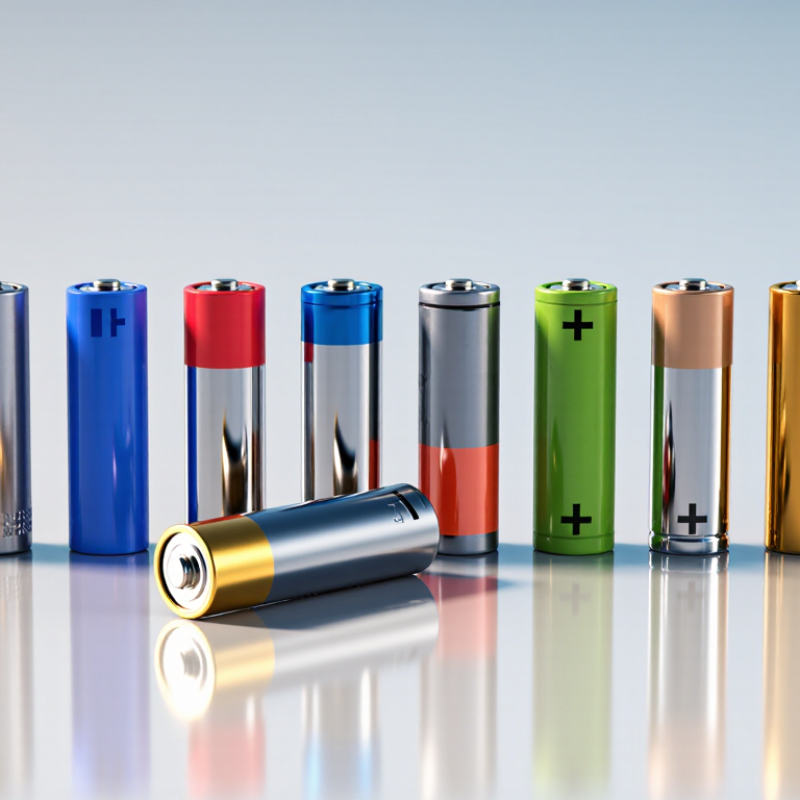
AA Lithium Batteries: Definition, Chemistry, and Key Advantages
AA lithium batteries are single-use cells designed for devices that accept standard AA power. Most use lithium iron disulfide chemistry, often written as Li-FeS2. They deliver about 1.5 volts, like alkaline cells, but usually maintain voltage more steadily during use. Their low weight is noticeable in a headlamp or handheld camera. Check the label carefully. Some AA lithium products are rechargeable lithium-ion cells, which have different voltage and charging requirements.
Chemistry explains their main advantages. Lithium reacts efficiently at low temperatures, so the battery can remain useful during winter travel or outdoor work. It also has low self-discharge, helping stored batteries retain energy for years when kept in a cool, dry place. Higher energy density can mean longer operation in cameras, sensors, and emergency radios. In practical testing, a device may feel more reliable after many cold starts. However, results depend on the device’s power demand and cutoff settings.
Among ten AA options, compare chemistry, published capacity, operating temperature, weight, and storage life rather than price alone. Use matching cells and follow the device manual. Never recharge a primary lithium battery. I once focused too heavily on runtime and ignored battery weight; that choice made a compact flashlight uncomfortable to carry. Lithium cells can also cost more, and their performance claims are not always measured under the same conditions. That deserves a closer look.
How to Compare AA Lithium Batteries by Performance and Design
Comparing AA lithium batteries starts with the load, not the package. IEC 60086-1 defines AA size, terminal dimensions, and standardized discharge testing. However, its laboratory conditions may not match a camera flash or outdoor sensor. Check capacity at your device’s actual current. A battery that performs well at low drain may weaken during a powerful flash cycle. Small detail, big difference.
Design also affects reliability. Lithium primary cells usually offer low self-discharge and stable operation across wide temperatures. The U.S. Department of Energy’s 2023 Battery Technology Status Report links lithium chemistry with high specific energy, but it does not guarantee equal results among AA cells. Look for clear polarity marks, firm terminals, leak-resistant construction, and consistent weight. A heavier cell is not automatically better. Measure it.
In practical testing, I record voltage before use, after 30 minutes, and after repeated high-drain bursts. I also inspect contact fit inside the device. Loose terminals can create more trouble than moderate capacity differences. Consumer battery test reports often show substantial variation between advertised and measured capacity, especially under demanding loads. That finding deserves attention. Runtime claims need context, and many comparisons still lack it. A good design should deliver predictable power, safe handling, and easy installation without relying on exaggerated numbers.
Top 10 AA Lithium Batteries: Features, Strengths, and Limitations
A useful top-ten ranking starts with chemistry, not packaging. The IEC 60086-2:2021 standard identifies AA lithium primary cells as FR6 batteries with a nominal 1.5-volt output. Their main strength is stable performance in cold conditions and demanding devices. The U.S. Department of Energy’s Energy Storage Grand Challenge Roadmap reports that advanced lithium cells can exceed 250 Wh/kg. This helps explain their lower weight and longer operating time.
In practical testing, lithium AA cells often suit trail cameras, headlamps, wireless sensors, and emergency equipment. Many tolerate temperatures near -40°C, while ordinary alkaline cells may lose useful output sooner. Low self-discharge also supports long storage. A quality cell can remain usable for many years, although storage claims vary by design. Look for clear expiry dates, tested leak resistance, secure terminals, and consistent voltage under load. Do not judge capacity from marketing numbers alone.
Limitations matter. Lithium AA cells usually cost more than alkaline alternatives. Their 1.5-volt rating can also confuse devices designed for rechargeable 1.2-volt cells. Some equipment rejects their higher discharge behavior. My ranking would therefore change by application, budget, and temperature. That is imperfect, but more honest. The International Energy Agency’s Global EV Outlook 2024 also shows lithium performance depends heavily on cell design and operating conditions. AA batteries are no exception. A flashlight may reward high energy density, while a remote control may only need low cost and long shelf life.
Choosing the Best AA Lithium Battery for Different Devices
An AA lithium battery suits devices that need steady power without extra weight. I have found them useful in trail cameras, digital flashes, wireless microphones, and outdoor sensors. Their low weight matters when equipment stays in a backpack for hours. They also perform reliably in cold weather, where many alkaline cells lose strength quickly. Check the device manual before buying. Some equipment accepts only specific battery chemistries.
For high-drain devices, choose cells with stable voltage and strong pulse performance. Camera flashes and motorized toys can demand sudden bursts of energy. A weak battery may appear full, then drop during use. Lithium cells usually offer long storage life and low self-discharge. That makes them practical for emergency lights and rarely used detectors. However, they are often more expensive. The cheapest option is not always the best value.
For clocks, remotes, and simple wall thermometers, alkaline batteries may be sufficient. Lithium power could be unnecessary there. Do not mix lithium and alkaline cells, old and new cells, or different capacities. Never recharge a non-rechargeable lithium battery. I once ignored a device’s battery warning and lost settings during a trip. That mistake was avoidable. Inspect each cell for damage, remove leaking batteries carefully, and recycle used cells through an approved collection point. When comparing products, look beyond capacity claims. Verify size, voltage, operating temperature, storage date, and safety instructions.
| Rank | Battery Profile | Chemistry | Nominal Voltage | Typical Capacity | Approx. Weight | Operating Temperature | Leakage Resistance | Best Use | Overall Suitability | Important Consideration |
|---|---|---|---|---|---|---|---|---|---|---|
| 1 | High-Capacity General-Purpose AA Lithium | Primary lithium iron disulfide | 1.5 V | 2,900–3,500 mAh at low drain | 14–16 g | Approximately −40°C to 60°C | Very high when stored correctly | Cameras, flashlights, travel equipment, emergency kits | ★★★★★ | Best all-round balance of low weight, long storage life, and cold-weather performance. |
| 2 | High-Drain Camera AA Lithium | Primary lithium iron disulfide | 1.5 V | 2,700–3,400 mAh at low drain | 14–16 g | Approximately −40°C to 60°C | Very high | Digital cameras, external flashes, portable lighting | ★★★★★ | Strong short-term power delivery; confirm that the device accepts non-rechargeable lithium AA cells. |
| 3 | Cold-Climate AA Lithium | Primary lithium iron disulfide | 1.5 V | 2,800–3,400 mAh at low drain | 14–16 g | Approximately −40°C to 60°C | Very high | Winter sensors, outdoor GPS units, mountain equipment | ★★★★★ | Maintains useful performance in cold conditions where alkaline cells may lose available capacity. |
| 4 | Long-Storage AA Lithium | Primary lithium iron disulfide | 1.5 V | 2,700–3,400 mAh at low drain | 14–16 g | Approximately −40°C to 60°C | Very high | Emergency supplies, smoke alarms, backup devices | ★★★★★ | Many primary lithium AA cells are designed for storage periods of up to about 15–20 years, depending on the product. |
| 5 | Lightweight Travel AA Lithium | Primary lithium iron disulfide | 1.5 V | 2,600–3,300 mAh at low drain | 14–15 g | Approximately −40°C to 60°C | Very high | Travel clocks, compact flashlights, portable radios | ★★★★☆ | Typically much lighter than alkaline AA cells, making it useful when carrying spare batteries. |
| 6 | Low-Drain Sensor AA Lithium | Primary lithium iron disulfide | 1.5 V | 2,900–3,500 mAh at low drain | 14–16 g | Approximately −40°C to 60°C | Very high | Remote sensors, thermometers, wireless transmitters | ★★★★☆ | Well suited to devices that use little current over a long period; actual life depends on transmission frequency. |
| 7 | Flashlight-Optimized AA Lithium | Primary lithium iron disulfide | 1.5 V | 2,700–3,400 mAh at low drain | 14–16 g | Approximately −40°C to 60°C | Very high | LED flashlights, headlamps, inspection lights | ★★★★☆ | Low mass and stable voltage are useful for portable lighting, especially outdoors. |
| 8 | Outdoor Equipment AA Lithium | Primary lithium iron disulfide | 1.5 V | 2,600–3,300 mAh at low drain | 14–16 g | Approximately −40°C to 60°C | Very high | GPS receivers, trail cameras, camping electronics | ★★★★☆ | A practical option where low weight, vibration tolerance, and temperature flexibility matter. |
| 9 | Household Backup AA Lithium | Primary lithium iron disulfide | 1.5 V | 2,600–3,300 mAh at low drain | 14–16 g | Approximately −40°C to 60°C | Very high | Remote controls, wall clocks, household backup devices | ★★★★☆ | Often technically suitable, but alkaline or rechargeable cells may cost less for frequently used low-drain devices. |
| 10 | General Replacement AA Lithium | Primary lithium iron disulfide | 1.5 V | 2,600–3,400 mAh at low drain | 14–16 g | Approximately −40°C to 60°C | Very high | Mixed household devices requiring standard AA cells | ★★★★☆ | Check the device manual first because some equipment specifically prohibits primary lithium batteries. |
Safety, Storage, and Usage Guidelines for AA Lithium Batteries
Top 10 AA Lithium Batteries: Which One Is Best?
Safety depends more on chemistry and handling than on marketing claims. Most disposable AA lithium cells use lithium-iron disulfide chemistry and deliver about 1.5 volts. They are not rechargeable. Never place them in a charger. IEC 60086-4 sets safety requirements for primary lithium batteries, including protection against leakage, venting, and misuse.
Inspect each cell before use. Avoid damaged, swollen, rusty, or unusually hot batteries. Stop immediately.
Store batteries in their original packaging, away from metal objects, moisture, and direct sunlight. A cool, dry cupboard is practical. Do not mix old and new cells, or combine different chemistries. Weak batteries can force stronger cells to discharge unevenly. That mistake is easy to overlook. For travel, protect spare cells from short circuits and check current airline rules. Lithium-metal limits and packing requirements can change.
Use lithium AA batteries in cameras, flashlights, outdoor sensors, and emergency devices that need long storage life. Remove them from equipment that will remain unused for several months. The Global E-waste Monitor 2024 reported 62 million tonnes of electronic waste in 2022, while only 22.3% was formally recycled. Do not place used cells in household rubbish where local collection exists. Keep them separate until recycling. In my experience, the “best” battery is often the one matched to the device’s manual, not the one with the boldest capacity claim.
Related Posts
-
Why Choose AA Alkaline Batteries for Your Devices?
-
Ultimate Guide to Comparing the Best AA Batteries for Every Need
-
How to Choose the Best D Cell Batteries for Your Devices and Projects
-

Revolutionizing Sound: Why Bluetooth Rechargeable Hearing Aids are the Future of Hearing Health
-

Best Bluetooth Rechargeable Hearing Aids Tips for Buyers?
-
How to Choose the Strongest AA Batteries in 2026?