What Type of AA Battery Is the Strongest?
“Strongest” sounds simple. It is not.
An AA battery can deliver high current, sustain a long runtime, or keep its charge in storage. Those are different strengths. A camera flash, a wireless mouse, and a wall clock place very different demands on a cell. The strongest AA batteries for one device may disappoint in another.
Professional test methods help make comparisons fairer. IEC 60086-2 specifies test procedures and performance requirements for primary batteries, including common AA types. It does not name one universal winner. Energizer’s E91 technical data likewise reports performance under defined loads and conditions, rather than a single capacity figure that applies everywhere. That detail matters: runtime changes with current draw, temperature, and the device’s cutoff voltage. A number on a package is not the whole story.
Battery University founder Isidor Buchmann has emphasized a practical point in his battery guidance: capacity figures must be read in light of their discharge conditions. That is the right lens for this question. Still, comparisons can be imperfect; laboratory tests cannot reproduce every real device or household. A bright flashlight used in winter is not a television remote sitting indoors. This guide will compare alkaline, lithium, and rechargeable AA batteries by the jobs they handle best, using published specifications and test conditions—not marketing claims alone. The aim is useful, not absolute: identify which cells deliver the most dependable power for your actual use.
What “Strongest” Means in an AA Battery
What Type of AA Battery Is the Strongest?
What “Strongest” Means in an AA Battery
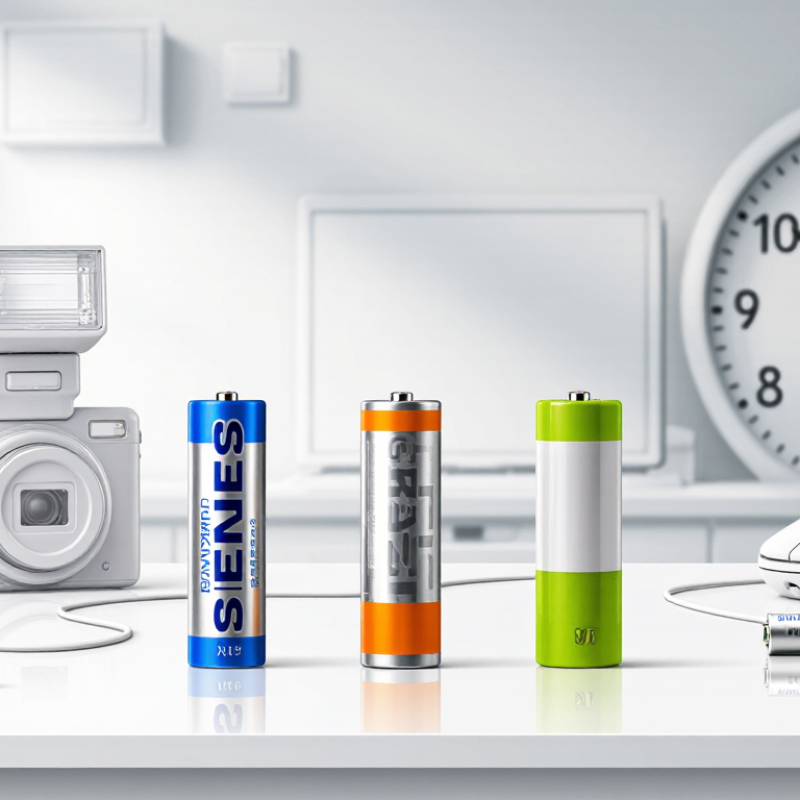
“Strongest” can mean several things: more stored energy, higher current delivery, or steadier voltage under load. These are not interchangeable. A digital camera using its flash may need strong short bursts, while a wall clock needs modest power for a long time. The best choice depends on the device, not just the battery label. Chemistry matters, too. Rechargeable nickel-metal hydride cells often suit devices with frequent, heavy use. Primary lithium AA cells can offer long storage life and useful performance in cold conditions. Alkaline cells work well in many low-drain devices, but may run down faster under heavy loads. There is no universal winner.
Tips: Check the device manual for approved battery types. For a high-drain gadget, look for performance under load, not only advertised capacity. Avoid mixing old and new cells. Small differences matter.
Compare runtime in the same device and conditions when possible. A battery’s voltage may look strong at first, yet fall quickly during use. Capacity figures also depend on how they were tested, so numbers from different test methods can mislead. That part is easy to overlook. “Strongest” is really a match between battery chemistry, device demand, temperature, and desired runtime. It is not always the cell with the biggest number on its package.
How AA Battery Chemistries Differ
An AA label describes a battery’s size, not its chemistry or power. Alkaline cells start near 1.5 volts and work well in remotes, clocks, and other low-drain devices. Under heavy loads, such as a camera flash, their voltage can fall noticeably. That difference matters.
“Strongest” therefore depends on the job: long shelf life, cold-weather use, high current, or repeated recharging. Check the device’s instructions, since some electronics are sensitive to battery voltage. Use matching cells of the same chemistry and similar age.
I have found that looking only at the voltage printed on a package can be misleading; real performance also depends on the device’s load and temperature.
Comparing Capacity, Voltage, and Power Output
“Strongest” depends on the load. IEC 60086-1 and IEC 60086-2 specify primary-cell characteristics and test methods, while published AA capacity curves show why one headline number can mislead. Under light discharge, alkaline AA cells commonly deliver about 2,000–3,000 mAh; rechargeable nickel-metal-hydride cells often offer roughly 1,900–2,500 mAh. These are representative ranges, not guarantees. Battery University’s comparative capacity data (BU-106a) also stresses that discharge rate changes usable capacity. That comparison is imperfect.
Voltage matters too. Alkaline and lithium-iron-disulfide AA cells are nominally 1.5 volts; nickel-metal-hydride cells are nominally 1.2 volts. Yet a higher starting voltage does not automatically mean more usable power. In a camera flash, where current demand spikes, a rechargeable cell’s lower internal resistance can help sustain output. For a cold-weather sensor, lithium chemistry often holds voltage better than alkaline. Check the device’s voltage limits. A fresh cell can still sag under load. For a fair comparison, use the same device, temperature, and discharge rate, then compare runtime and measured voltage—not just the mAh printed on a chart.
What Type of AA Battery Is the Strongest?
Comparing representative capacity and nominal voltage. Values are approximate; actual performance varies with brand, temperature, age, and load.
What “strongest” means: Lithium iron disulfide AA cells typically offer the highest capacity among these types, while NiMH rechargeables often perform well in high-drain devices. Nominal voltage alone does not determine power output: a battery’s voltage under load and its ability to supply current matter too.
How Temperature and Device Demands Affect Performance
An AA battery’s strength depends on the job and the weather. A camera flash or motorized toy draws brief, heavy bursts of current. A wall clock uses very little. The same battery can feel powerful in one device and disappointing in another.
Cold matters. Near freezing, many alkaline cells deliver less usable energy, and voltage may dip when a device demands a surge. Primary lithium AA cells generally retain performance better in low temperatures, while rechargeable nickel-metal hydride cells often handle sustained high-drain use well. Exact results vary by cell design, age, and temperature. Check the manufacturer’s operating range, especially for outdoor equipment.
Heat is not a simple advantage. Warm conditions can temporarily improve output, but storing cells in excessive heat can shorten their life. I once assumed a fresh battery would fix a sluggish flashlight; the real problem was cold exposure and a demanding bulb. That explanation may be incomplete, but it changed how I test batteries. Compare matched cells in the actual device, at its usual temperature, and note runtime or voltage under load. Open-circuit voltage alone can mislead.
Choosing the Strongest AA Battery for Your Use Case
“What Type of AA Battery Is the Strongest?” depends on what the device demands. “Strongest” might mean longest runtime, better performance in cold weather, or repeated use. IEC 60086-2:2021 evaluates primary batteries under defined discharge conditions, rather than naming one universal winner. That matters: a cell’s measured capacity changes with current, temperature, and cutoff voltage. Nominal voltage also differs: common primary AA cells are rated at 1.5 volts, while nickel-metal hydride rechargeables are typically 1.2 volts. Voltage alone does not tell you how long a battery will last.
For a television remote or wall clock, alkaline cells can be a practical fit because these devices draw little current. A camera flash or motorized toy may benefit more from a primary lithium AA, especially in cold conditions or during heavier bursts. For frequently used controllers or toys, nickel-metal hydride cells can reduce disposable-cell use; IEC 61951-2:2017 sets requirements and test methods for portable nickel-metal hydride cells. Check the device’s voltage requirements before switching chemistry. I still hesitate to call any option “strongest” without the load and test conditions. Battery labels rarely make that comparison easy. A small detail, but an important one: compare runtime figures only when the test current and cutoff conditions match.
Related Posts
-
Top 10 Types of AA Batteries for Global Buyers?
-

How to Choose the Best Double AA Batteries?
-
How to Choose the Strongest AA Batteries in 2026?
-
China Top Double AA Batteries Suppliers for Global Buyers
-
What Are the 2026 Top AA Battery Replacement Types?
-
What Is the Strongest AA Battery for International Buyers?